
I first learned about salt pork vs bacon many, many years ago from my grandmother. She had a long history of cooking hearty meals from scratch. Whether she was simmering collard greens or making Boston baked beans, she always knew which pork product to use—and why.
Over time, I came to appreciate the key differences between these two traditional staples, and I still use both in different ways today.
While bacon is popular and found in local grocery stores, salt pork is a lesser-known gem and a bit more difficult to find where we live.
What Is Salt Pork?
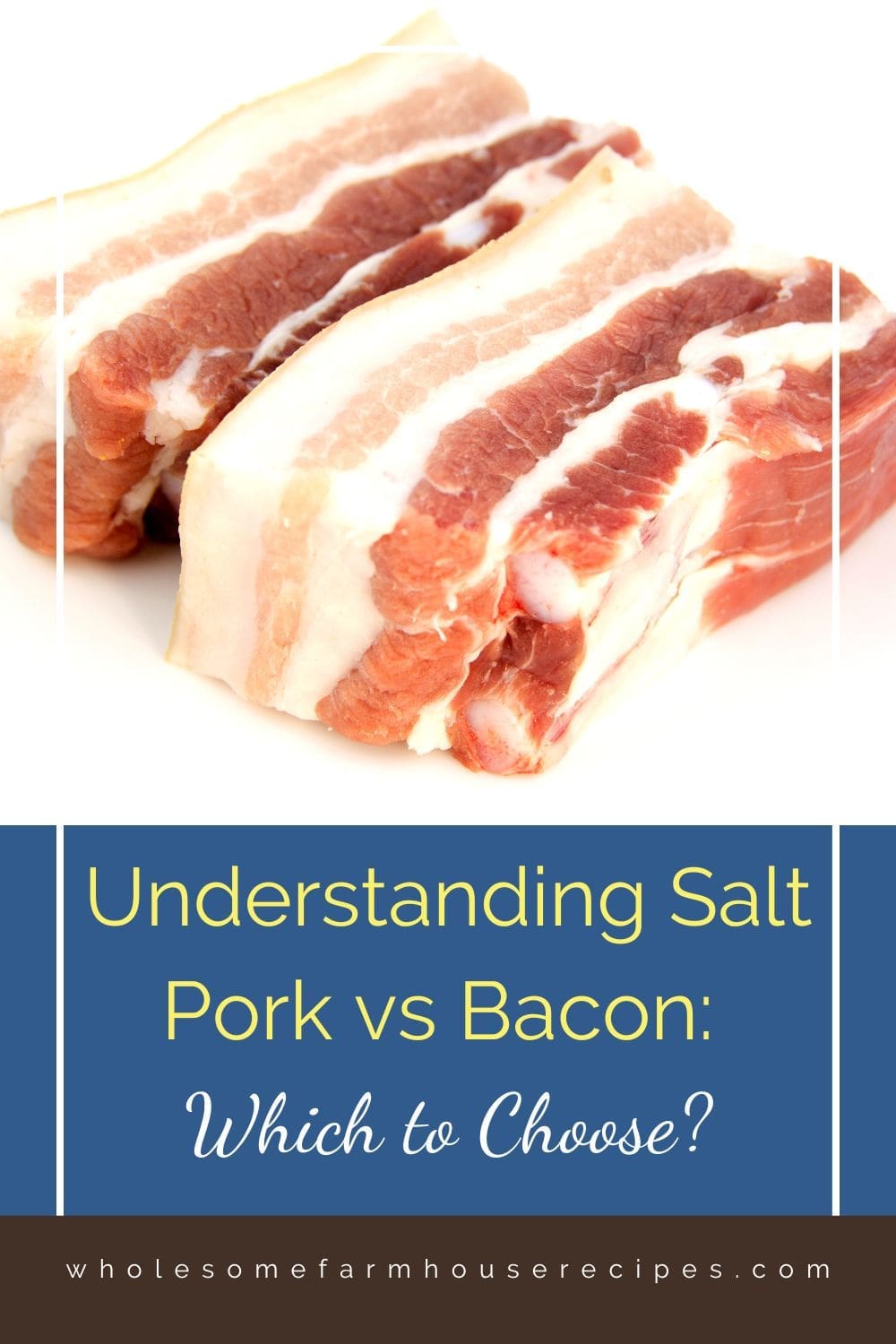
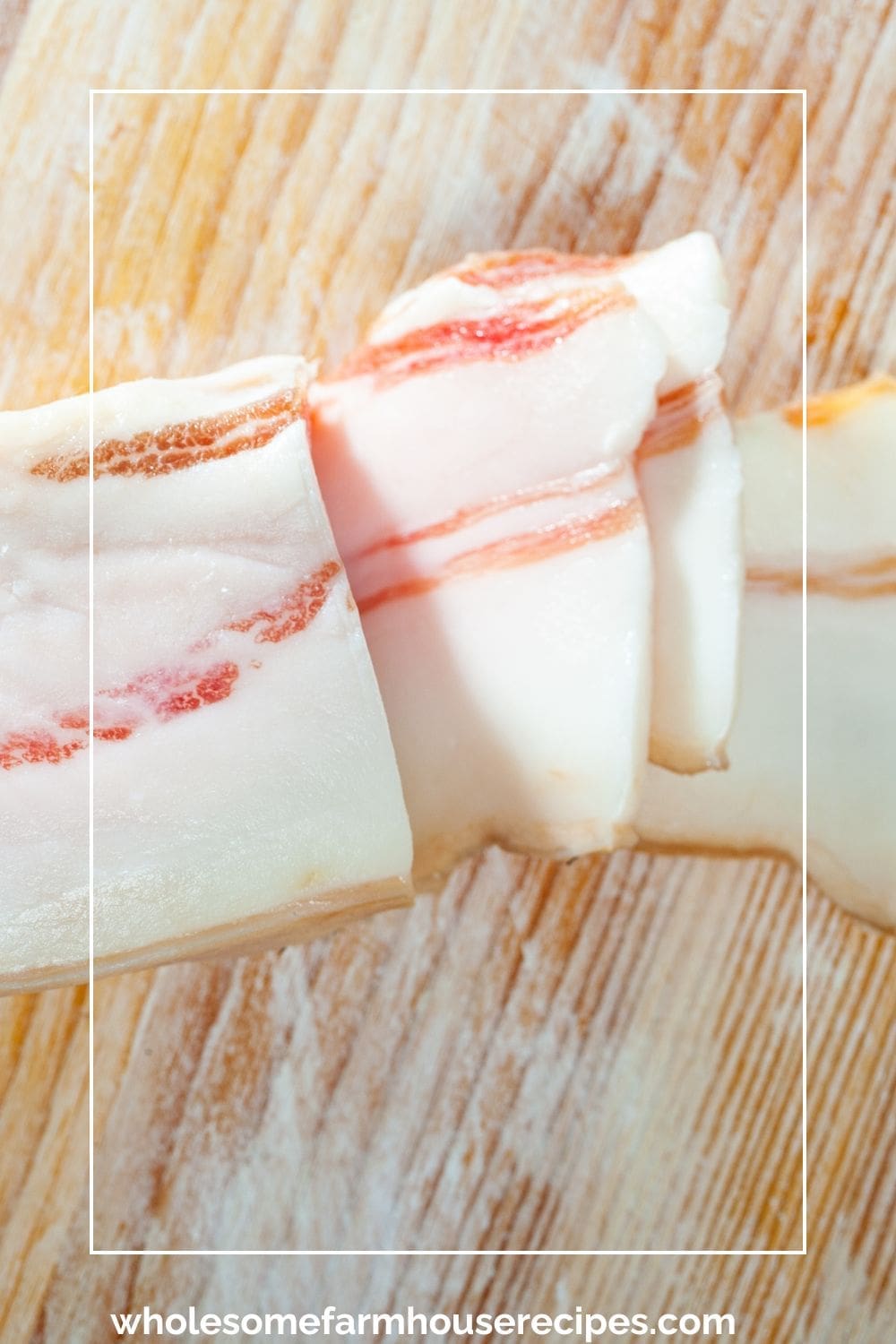
Salt pork is a cut of meat that comes from the belly of the pig or sometimes the fat back. It’s a cured meat that goes through a curing process with a heavy amount of salt, often without any added sugar or smoke.
Some traditional salt pork is simply packed in kosher salt or a brine solution, giving it a very salty flavor and long shelf life. Making it ideal for long trips or long periods without refrigeration. Many years ago, when people traveled, it was a safe and nutritious food option.
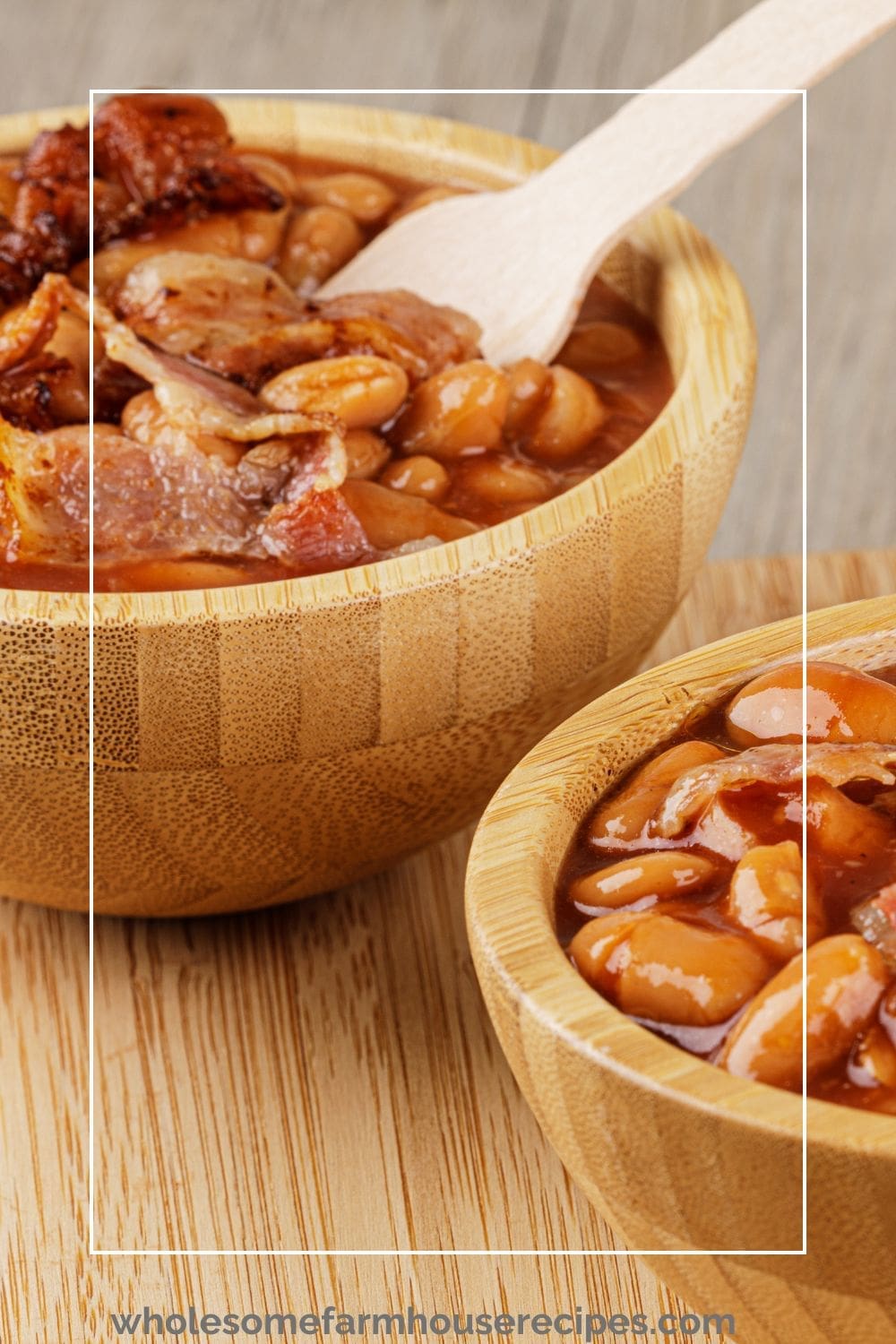
Today, you’ll often find slices of salt pork in recipes as a flavoring ingredient, especially in clam chowder, green beans, or New England style baked beans.
It’s not typically eaten on its own like bacon but used in small pieces as a flavoring agent or to release rendered fat for cooking. Salt pork has a rich, meaty flavor and a velvety texture when cooked over low heat.

What Is Bacon?
Bacon is another type of pork, usually made from the same cut of pork belly. The main difference is that bacon goes through both a curing process and a smoking step.
It often includes sodium nitrite and black pepper for preservation and flavor. This gives bacon its iconic crispy texture and smoky flavor.
There are many types of bacon available in the grocery store: side bacon (the most common in the United States), middle bacon, slab bacon, and even Canadian bacon, which is made from the pork loin.
Each has its own unique flavor and higher fat content, depending on the cut of meat and part of the pig it comes from.
Bacon is popular serving in thin slices that are crispy. It’s a popular ingredient in side dishes, main courses, pasta dishes, and even desserts with brown sugar.
Key Differences Between Salt Pork and Bacon
When comparing salt pork vs bacon, it’s important to remember that they are different things despite looking similar.
Both come from the pork side, often the belly of the pig, but they go through different preparation methods. Salt pork is usually just salted and cured, while bacon is also smoked and may include spices like black pepper.
Bacon is typically sold in thin slices, ready to fry, while salt pork may come as a thick slab of meat.
The cooking process is also different. Bacon cooks quickly and crisps up. Slow Simmer salt pork to reduce its salt content and soften its texture.
Salt pork has a stronger flavor and a more concentrated saltiness, making it a great option when you need a flavoring agent in a variety of dishes. Bacon, on the other hand, is better for when you want that crispy texture and smoky flavor as part of the dish itself.
When to Use Salt Pork vs Bacon
Salt pork is a great way to add depth to soups and stews without needing extra seasonings. Just be mindful of the amount of salt it adds.
Bacon is perfect for breakfast, salads, or adding crunch to side dishes and main courses. It’s often the better option when you’re looking for something people can enjoy as a piece of bacon, not just a background flavor.
If you’re out of one, the other can sometimes be a good substitute, but be cautious. Bacon adds smoke, while salt pork adds salt. You can reduce saltiness in salt pork by soaking or boiling it first.
If you’re substituting bacon, try to avoid varieties with too much brown sugar if you’re making something savory.
Storage Tips
Store both salt pork and bacon should in the fridge. Wrap them in plastic wrap or place in an airtight container to prevent drying out. Salt pork typically lasts longer due to its curing method. Freeze bacon in thin slices for easy use later.
Shelf Life
To make the most of your pork products, it’s important to know how to store them properly. Both salt pork and bacon are cured, but they have different shelf lives and storage needs.
To store salt pork, wrap it tightly in plastic wrap or place it in an airtight container and keep it in the refrigerator. It generally has a naturally long shelf life thanks to its curing process and high salt content. Use within a few weeks of opening.
If unopened, traditional salt pork can last several months in the fridge or even longer when stored in a cool, dry place.
To store bacon, refrigerate it in its original packaging or transfer it to an airtight container once opened. Bacon generally has a shorter shelf life than salt pork.
For long-term storage, freezing bacon is a great option. Wrap individual portions in parchment or wax paper, place them in a freezer bag, and freeze for up to six months.
How to tell if salt pork or bacon has gone bad?
Watch for signs like a sour smell, slimy texture, discoloration, or mold. If you notice any of these, it’s safest to throw it out. With both meats, fresh is always best, so keep an eye on expiration dates and storage times.

Nutrition Comparison
When it comes to salt pork nutrition versus bacon nutrition, both have pros and cons depending on your dietary goals.
Salt pork is higher in fat content, especially saturated fat, and has a much higher sodium content due to the intense curing process. It’s rarely eaten in large amounts. It’s calorie-dense. Great for using as a flavoring more than a protein source.
Bacon has a similar fat content per slice, but many types of bacon—especially store-bought varieties—also contain added sugars and sodium nitrite for preservation. However, bacon does offer a good amount of protein and tends to be used more frequently in larger portions.
So, which may be better for you? If you’re watching your sodium or fat intake, bacon may be the better choice in moderation. But if you’re simply adding a small amount to season a dish, salt pork can be a flavorful, traditional option. The better choice depends on how you’re using it and your dietary needs.
How to Use Salt Pork
Salt pork has a long history in traditional cooking and remains a great way to add deep, salty flavor and meaty richness to many varieties of dishes.
Unlike bacon, it’s not usually eaten on its own. It’s best to use in small pieces or thin slices using it to add flavor to soups, stews, beans, and vegetables.
Because of its high salt content, it’s best to taste and possibly soak or blanch salt pork before using. Especially if you’re cooking a dish where too much salt could overpower the other flavors.
A quick boil in water for 1–2 minutes can reduce the intensity of the saltiness while still keeping that own unique flavor intact.
Salt pork is made from the belly of the pig or pork side. The fat content is higher than many other cuts of meat, making it ideal for rendering fat and building layers of flavor in savory recipes.
How to Render Salt Pork
Rendering salt pork is simple and transforms it into both crispy bits and cooking fat. A delicious pork fat for sautéing vegetables or start a stew.
To render it:
- Start with slices of salt pork or small pieces.
- Place them in a skillet or Dutch oven over low heat—no olive oil needed.
- Let the fat back slowly melt, stirring occasionally, until the pieces are browned and crisp and the fat has been fully released.
The rendered fat is a perfect ingredient for adding savory flavor to collard greens, green beans, or pasta dishes, while the crispy bits can be used as a side dish topping or even tossed onto main courses for texture.
How to Add Salt Pork to Soups and Stews
One of the most popular ingredients in traditional New England recipes is salt pork, especially in dishes like clam chowder and Boston baked beans.
To use it in a stew or soup:
- Dice the salt pork and render it first in the pot to release its flavor and cooking fat.
- Once the fat is rendered and the pieces are crisp, remove them (if you don’t want them in the final dish), or leave them in for added texture.
- Continue cooking your vegetables and broth in the rendered fat—this step adds a rich, velvety texture and deep flavor to the whole pot.
Salt pork acts as a key ingredient and flavoring ingredient, making it a good substitute for ham hock, streak o’ lean, or even side bacon in many types of pork recipes.
Whether you’re using it in long-simmered dishes, short recipes, or as a base for beans or chowders, knowing how to prepare and use salt pork opens up a world of different ways to cook with this classic cured meat.
Can you eat salt pork like bacon?
While they may look similar, you shouldn’t treat salt pork like bacon. Salt pork is much saltier and fattier, and it’s not meant to be eaten straight from the pan like bacon strips. It’s better to use in small pieces to add flavor to recipes.
Is salt pork already cooked?
No, salt pork is not pre-cooked. You need to cook it thoroughly before eating. It’s perfect for simmering, boiling, or slowly rendering over low heat to reduce saltiness and develop flavor.
What can I use instead of salt pork?
A good salt pork substitute includes bacon, pancetta, or even ham hock, depending on the recipe. If using cooking bacon, you might want to adjust for the smoky flavor and lower saltiness.
Is bacon better than salt pork for flavor?
That depends on the dish! Bacon adds a smoky, crispy bite, while salt pork delivers a deeper, saltier richness. For recipes like clam chowder or Boston baked beans, salt pork is the traditional choice. But for breakfast or sandwiches, cooking with bacon is the go-to.
Can you eat salt pork raw?
No, you should not eat salt pork raw. It’s cured but not cooked. Always heat it thoroughly before consuming to ensure it’s safe to eat.

So, Which Should You Choose?
When it comes to salt pork vs bacon, the main difference lies in how they’re cured and used.
Salt pork is a perfect ingredient for adding savory flavor to old-fashioned dishes, especially those that cook over a long time.
Bacon is the go-to for quick, flavorful bites with a satisfying crunch.
Ultimately, it comes down to personal preference and the recipe you’re working with. Next time you’re in the grocery store, take a second look at these traditional pork products.
Whether you’re making green beans with rendered fat or topping off a burger with crispy bacon, each one brings something special to the table.


