
Last updated on April 9th, 2026 at 01:40 pm
Whether you’re a seasoned cook or just starting out, mastering two methods to render bacon fat. Using bacon grease can add a new dimension to your recipes. Did you know you can render bacon fat using a skillet and oven? Growing up, we always saved the bacon fat from the bacon cooking for breakfast on the weekends. We used it in so many different recipes.
I first learned about rendering bacon fat in the oven from my mother-in-law when I was first married. She had so many old school tips and tricks. I continue to pass them along to my daughter.
What is Bacon Grease?
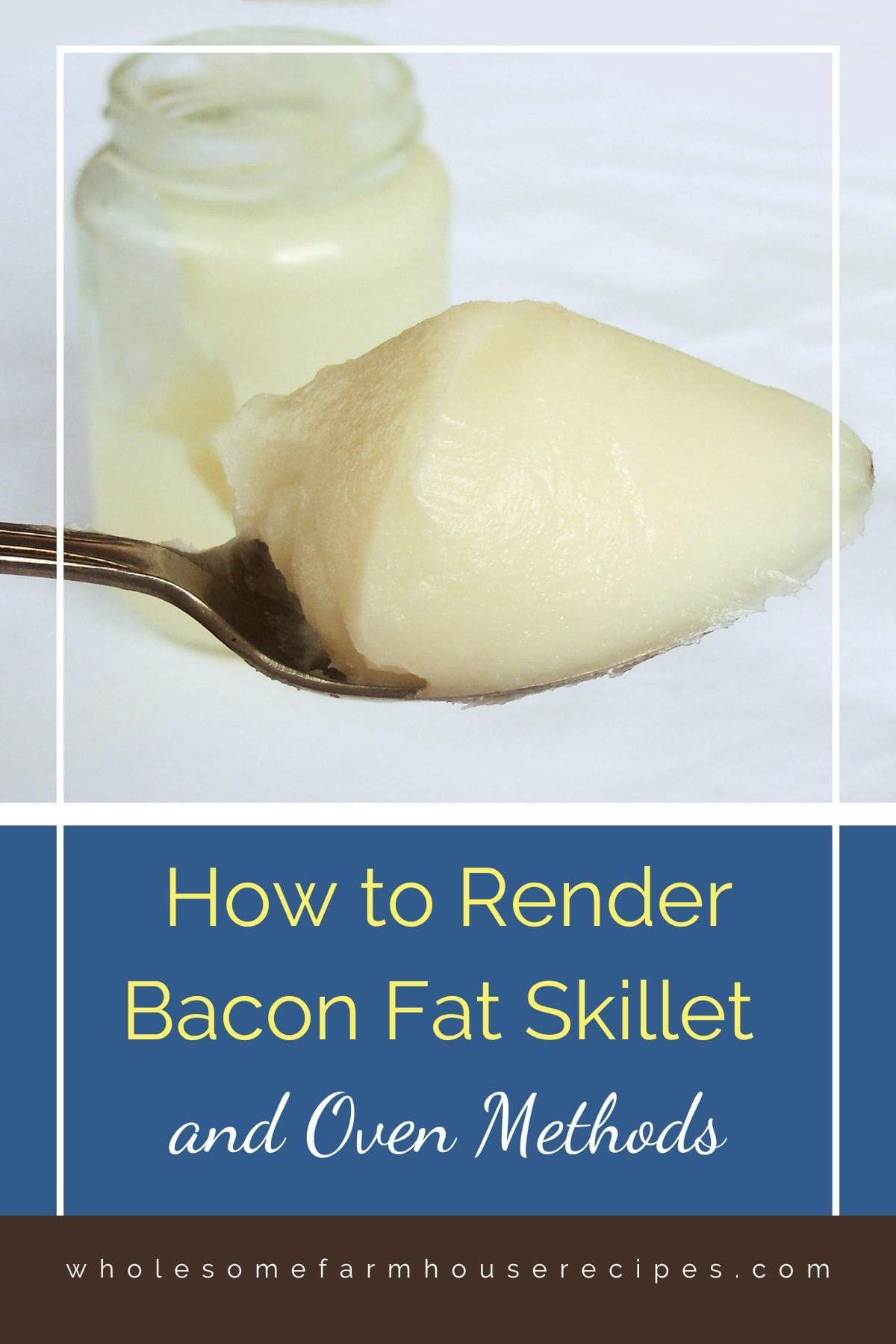
Bacon grease, also known as rendered bacon fat, is a versatile and flavorful ingredient that can enhance your cooking in numerous ways. It’s the fat that’s rendered from cooking bacon. It’s a rich, savory fat that can be used to add a smoky flavor to various dishes. This flavorful fat is a great alternative to cooking oils and can be used in both savory and baking recipes.
Skillet vs Oven Bacon Fat Rendering”
| Method | Time | Best For | Pros | Cons |
|---|---|---|---|---|
| Skillet (Stovetop) | 10–15 min | Small batches | More control, faster | Can splatter |
| Oven Method | 20–30 min | Large batches | Even cooking, less mess | Takes longer |
| Cold Start Method | Varies | Best fat yield | Better rendering | Requires patience |
How Much Bacon Fat Will You Get?”
This is a high-intent question people search for.
Suggested section:
How much bacon grease does bacon produce?
- 1 pound of bacon = about ½ to ⅔ cup of fat
- Thick-cut bacon yields more
- Lean/center-cut yields less
How to Render Bacon Fat
Here’s a guide on how to render bacon fat using both skillet and oven methods, along with tips for storing and using this liquid gold.
Skillet Method
- Prepare the Bacon: Start with thick-sliced bacon or slabs of bacon. The amount of fat rendered depends on the style and cut of the bacon.
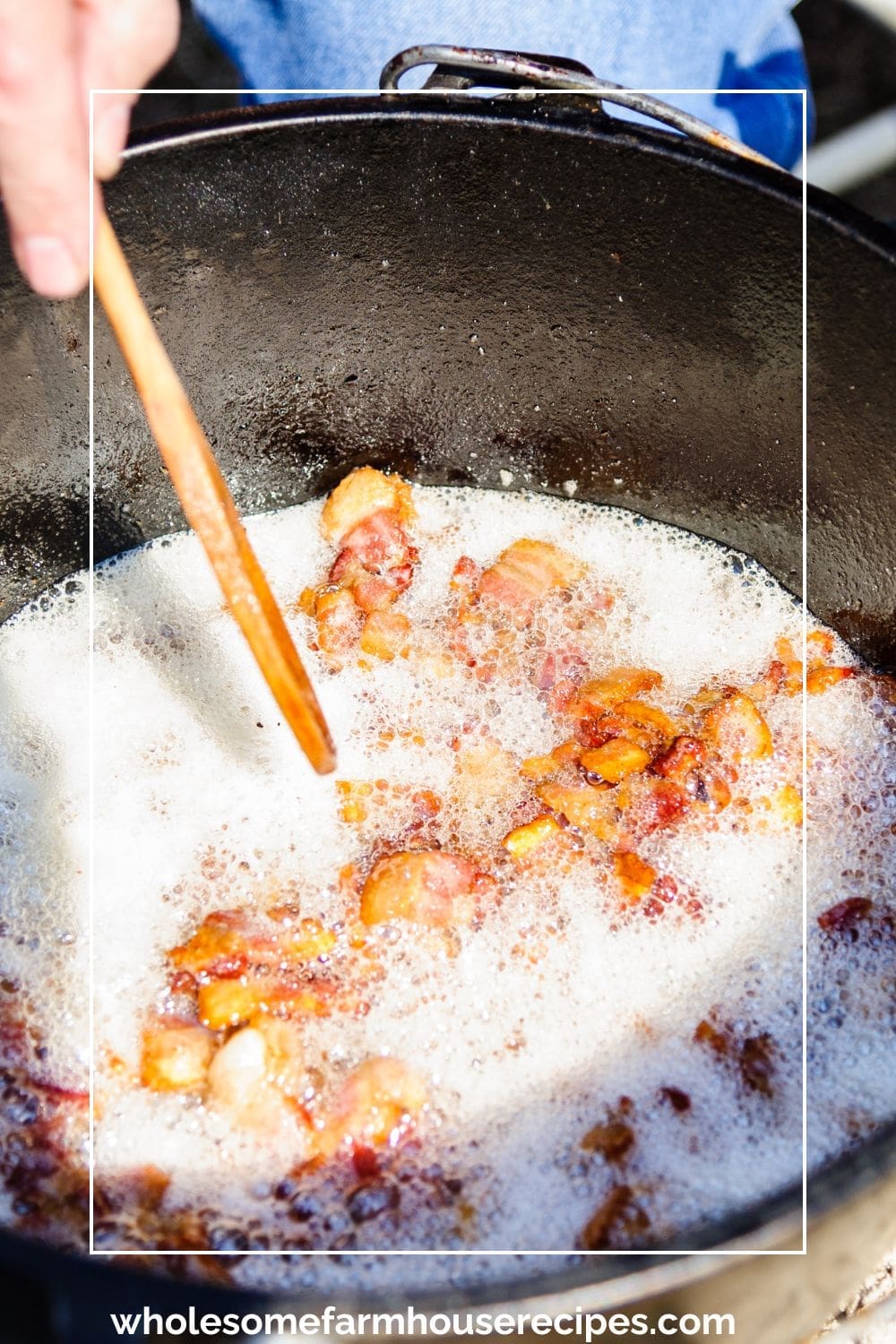
- Cook the Bacon: Place the bacon strips in a cold skillet or large skillet. This allows the fat to render out slowly. Cook over medium-low heat to melt the fat and crisp up the bacon evenly. Stir occasionally to ensure the bacon cooks thoroughly and to avoid burning.
- Collect the Grease: As the bacon cooks, it will release fat. When the bacon is crispy and done, use a slotted spoon to remove the bacon strips and place them on a paper towel to drain.
- Filter the Grease: Pour the rendered fat through a fine-mesh strainer or coffee filter into a glass jar or mason jar to remove any solid bacon bits. For finer filtering, use a piece of cheesecloth.
- Cool and Store: Let the bacon grease cool to room temperature before sealing the container. Store the bacon grease at room temperature for up to a couple of months or in the refrigerator for longer storage.
Oven Method
- Preheat Oven: Preheat your oven to 350°F (175°C).
- Prepare the Bacon: Arrange the bacon strips in a single layer on a cookie sheet or a rimmed baking sheet. The bacon should be spread out to ensure even rendering.
- Cook the Bacon: Place the baking sheet in the preheated oven. Bake the bacon for about 15-20 minutes or until crispy. The fat will render out and accumulate on the baking sheet.
- Collect the Grease: Carefully pour the hot bacon fat from the baking sheet into a heat-resistant container. Be cautious of splashes.
- Filter and Store: Once cooled to room temperature, filter the bacon grease through a fine-mesh strainer or coffee filter into a glass jar or mason jar. Store it at room temperature or in the refrigerator.
Using Bacon Grease
- In Place of Cooking Oils: Bacon grease can be used in place of vegetable oil or olive oil in recipes. It’s particularly great for cooking vegetables, frying eggs, or making cornbread.
- Flavor Enhancer: Incorporate bacon fat into soups, stews, or sauces to add a rich, smoky flavor. It’s a fantastic addition to many savory dishes.
- Baking: Experiment with using bacon grease in baking recipes. It can replace some of the fat in recipes to provide a unique flavor profile.
- Freezing for Convenience: If you have leftover bacon fat, pour it into an ice cube tray or silicone molds and freeze. Once frozen, transfer the cubes to a plastic container or glass jar. This makes it easy to use small amounts of bacon fat as needed.
Here are even more ideas on using bacon grease:
- Fry eggs or potatoes
- Roast vegetables
- Make gravy
- Add to cornbread
- Season cast iron
Storing and Shelf Life of Bacon Grease
- Refrigerator: up to 3 months
- Freezer: up to 1 year
- Store in glass jar (not plastic)
- At Room Temperature: Bacon grease can be stored at room temperature for up to a couple of months. Keep in an airtight container to prevent it from absorbing odors or becoming rancid.
- In the Refrigerator: For longer storage, keep bacon grease in the refrigerator. It will last for several months and can be used directly from the fridge.
- In the Freezer: For extended storage, bacon grease can be frozen. Use ice cube trays or small containers to portion out the grease for easy use.
Pro Tip:
Strain it well—leftover bits cause it to spoil faster
Tips and Tricks
- Use a Heavy Skillet or Cast-Iron Pan: These tools help distribute heat evenly, which is ideal for rendering bacon fat without burning.
- Control the Heat: Keep the cooking temperature at medium-low to prevent the bacon fat from burning and becoming bitter.
- Filter Well: Ensure you filter out all solid bits to keep the bacon grease smooth and ready for use. For the cleanest, longest-lasting bacon grease, strain it twice—once hot and once after cooling slightly
Common Mistakes When Rendering Bacon Fat
- Cooking on high heat (fat won’t fully render)
- Starting in a hot pan instead of cold
- Not straining the grease
- Using flavored bacon (affects taste later)
Can you reuse bacon grease?
Yes, you can absolutely reuse bacon grease—and many home cooks do!
As long as the grease has been properly strained and stored, it can be reused several times for cooking. Bacon fat adds incredible flavor to dishes like fried eggs, roasted vegetables, and even homemade gravy.
Tips for reusing bacon grease:
- Strain it through a fine mesh sieve or cheesecloth to remove bits
- Store it in a clean, airtight container
- Avoid mixing burned or overly dark grease with fresh batches
If the grease starts to smell off or develops a bitter taste, it’s best to discard it.
Does bacon grease go bad?
Yes, bacon grease can go bad over time.
Like any fat, it will eventually turn rancid, especially if it’s not stored properly. The biggest causes of spoilage are exposure to air, heat, and leftover food particles.
Signs bacon grease has gone bad:
- Sour or off smell
- Dark, cloudy appearance
- Bitter or unpleasant taste
When in doubt, throw it out. Fresh bacon grease should have a mild, smoky aroma—not a sharp or sour odor.
Do you need to refrigerate bacon fat?
For best results, yes—bacon fat should be refrigerated.
While some people leave it at room temperature for short periods, storing it in the fridge helps it last longer and stay fresh.
Storage guidelines:
- Refrigerator: up to 3 months
- Freezer: up to 1 year
Keep it in a sealed glass jar or container to prevent it from absorbing other odors in your fridge.
Can you leave bacon grease on the counter?
You can leave bacon grease on the counter for short periods, but it’s not recommended for long-term storage.
At room temperature, bacon grease is more likely to spoil faster, especially if it contains small bits of cooked bacon.
If you do leave it out:
- Keep it covered
- Use it within a few days
For safety and longer shelf life, it’s always best to store bacon grease in the refrigerator.
Bacon grease is more than just a byproduct of cooking bacon; it’s a valuable ingredient that can add depth and richness to your dishes. By following these methods for rendering and using bacon fat, you can make the most of this flavorful fat and elevate your cooking with its unique taste. So next time you cook bacon, don’t discard that liquid gold—embrace it and enjoy the many culinary possibilities it offers!
References
Bon Appetit. How to Render and Cook with Bacon Grease, Your Kitchen’s Liquid Gold
Serious Eats. How to Render Bacon Fat
Stay connected with Wholesome Farmhouse Recipes
Add Wholesome Farmhouse Recipes as a preferred source in Google Search to make it easier to find our recipes and cooking ideas when you're searching for something delicious to make.


