
Do you know how to measure flour, sugar, and liquids for your recipes? Whether you’re baking homemade bread, a batch of cookies, or a special occasion cake, accurate measuring is one of the most important steps in any recipe. Unlike cooking, where a little extra of this or that often works out fine, baking relies on precise ratios of ingredients to create the proper texture, rise, and flavor.
A measuring mistake as simple as adding too much flour or misreading a liquid measuring cup can turn soft cookies into dry hockey pucks or leave a cake dense and heavy. The good news? With a few simple techniques and the right tools, you’ll get more consistent baking results every time.
In this guide, you’ll learn how to properly measure flour, sugar, liquids, and other common baking ingredients, along with the most common mistakes to avoid.

Why Accurate Measuring Matters in Baking
Baking is often described as a science, and for good reason. Ingredients work together through chemical reactions to create the texture and structure we expect from cakes, breads, muffins, cookies, and pastries.
When ingredient amounts are off, even slightly, the final product can suffer.
Common Problems Caused by Incorrect Measurements
- Too much flour can make baked goods dry, dense, or crumbly.
- Too little flour can cause cookies to spread too much or cakes to collapse.
- Too much liquid may create gummy centers or underbaked textures.
- Too little liquid can leave breads and cakes dry.
- Incorrect amounts of baking powder or baking soda can affect rise and flavor.
Learning proper measuring techniques helps eliminate much of the guesswork and frustration that comes with baking.
Table of contents
Essential Measuring Tools Every Baker Needs
Using the correct measuring tool is just as important as using the correct technique.
Dry Measuring Cups
Dry measuring cups are designed to be filled to the top and leveled off with a straight edge. They are best used for ingredients such as:
- Flour
- Sugar
- Cocoa powder
- Oats
- Cornmeal
Liquid Measuring Cups
Liquid measuring cups are clear containers with a pouring spout and measurement markings on the side. They allow space above the measuring line to prevent spills.
Use them for:
- Water
- Milk
- Oil
- Juice
- Buttermilk
Measuring Spoons
Measuring spoons provide greater accuracy for small amounts of ingredients such as:
- Baking powder
- Baking soda
- Salt
- Vanilla extract
- Spices
Metal measuring spoons tend to be the most accurate and durable.
Straight Edge or Knife
A butter knife, bench scraper, or offset spatula works well for leveling dry ingredients.
Digital Kitchen Scale
For the most precise measurements, many experienced bakers prefer weighing ingredients with a kitchen scale. Weight measurements eliminate variations caused by packing or settling ingredients.
How to Measure Flour Correctly
Flour is one of the most commonly mismeasured baking ingredients.
Many people scoop a measuring cup directly into the flour bag, but this compresses the flour and can add significantly more than the recipe intended.
The Spoon and Level Method
- Stir or fluff the flour in its container.
- Use a spoon to lightly transfer flour into a dry measuring cup.
- Fill until the flour slightly overflows the cup.
- Use a straight edge to level off the excess.
Avoid These Common Flour Mistakes
- Scooping directly from the bag
- Packing flour into the measuring cup
- Tapping or shaking the cup to settle flour
- Measuring flour before fluffing it
These habits can add much more flour than intended, resulting in dry or dense baked goods.
Understanding Sifted Flour
Recipe wording matters.
“1 cup flour, sifted”
- Measure the flour first.
- Then sift it.
“1 cup sifted flour”
- Sift the flour first.
- Then measure the sifted flour.
Following the wording exactly helps ensure accurate results.

How to Measure Sugar Properly
Different types of sugar require different measuring methods.
Granulated Sugar
Granulated sugar is straightforward to measure.
- Fill a dry measuring cup.
- Level off the top with a straight edge.
Unlike flour, sugar doesn’t compact significantly, so no fluffing is necessary.
Brown Sugar
Brown sugar should be packed firmly unless the recipe states otherwise.
- Press the sugar firmly into the measuring cup.
- Continue filling and packing until full.
- Level off the top.
When turned out, properly measured brown sugar should hold the shape of the measuring cup.
Powdered Sugar
Powdered sugar often develops lumps during storage.
For best results:
- Sift if the recipe calls for it.
- Spoon into the measuring cup.
- Level the surface without packing.
Measuring Cocoa Powder, Oats, and Other Dry Ingredients
Many dry baking ingredients follow the same basic technique used for flour.
Cocoa Powder
- Stir lightly to break up clumps.
- Spoon into the measuring cup.
- Level off the excess.
- Do not pack.
Oats
- Fill the measuring cup lightly.
- Level the surface.
- Do not compress or pack.
Cornmeal and Similar Dry Ingredients
Use the spoon-and-level method unless a recipe specifically instructs otherwise.
How to Measure Liquids Accurately
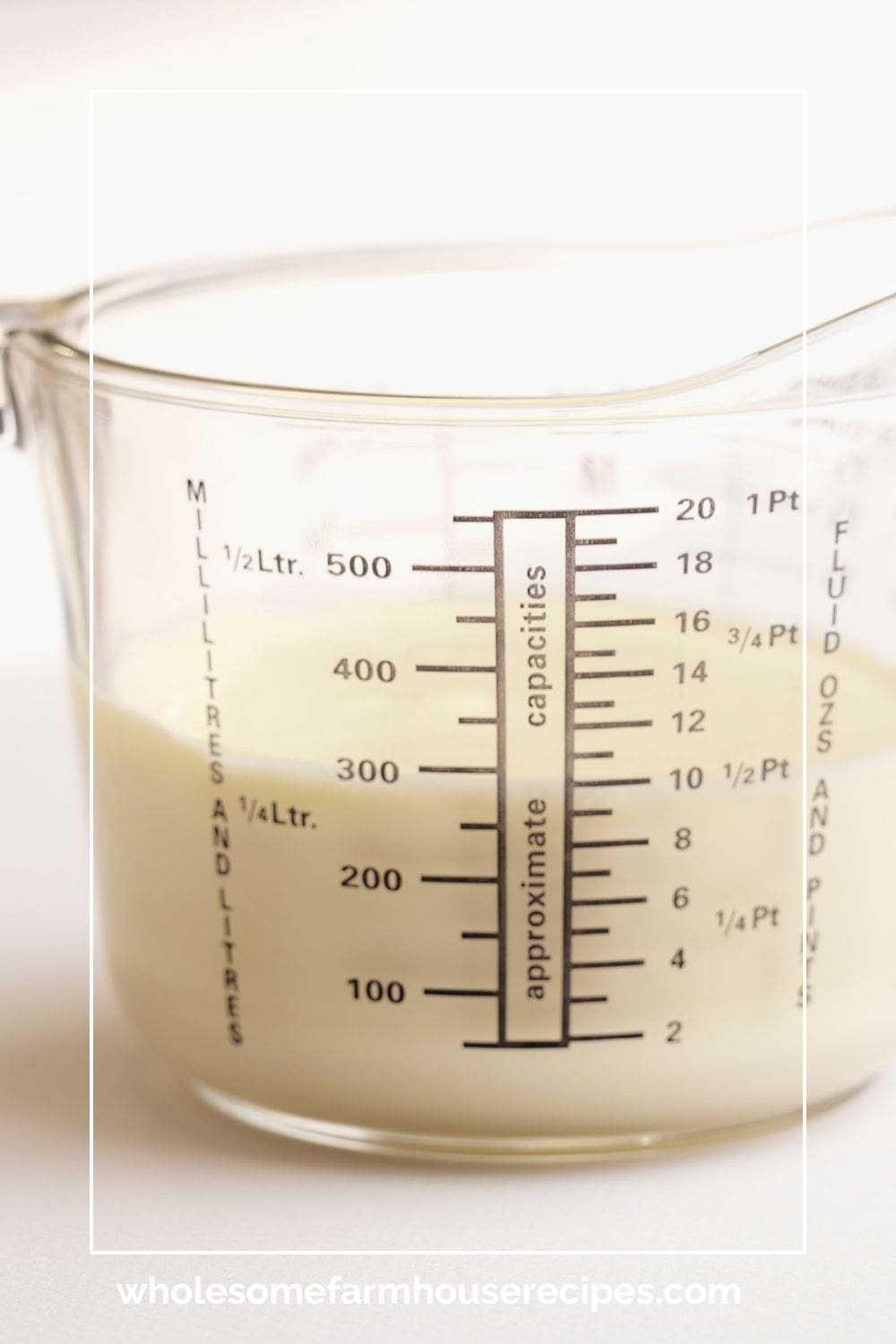
Liquid ingredients require a different type of measuring cup.
The Correct Method
- Place the liquid measuring cup on a flat, level surface.
- Pour the liquid into the cup.
- Bend down so your eyes are level with the measurement markings.
- Check the liquid level at eye height.
Common Liquid Measuring Mistakes
- Holding the cup in the air while measuring
- Looking down from above
- Using dry measuring cups for liquids
- Measuring on an uneven surface
Reading measurements at eye level provides the most accurate results.
Measuring Sticky Ingredients
Ingredients like honey, molasses, maple syrup, and corn syrup can cling to measuring cups and leave behind some of the measured amount.
A simple solution is to lightly coat the measuring cup or spoon with cooking spray before measuring. The sticky ingredient will slide out much more easily.
Another option is to weigh sticky ingredients using a kitchen scale, which eliminates the need to scrape measuring cups clean.
Measuring Butter
Butter can be measured in several ways.
Using Stick Markings
Most butter sold in sticks includes tablespoon and cup markings directly on the wrapper.
By Weight
Many recipes now provide butter measurements in ounces or grams for improved accuracy.
By Volume
Butter may also be measured using:
- Tablespoons
- Cups
- Fractional cup measurements
Always follow the measurement type listed in your recipe.
Why Many Bakers Prefer Weighing Ingredients
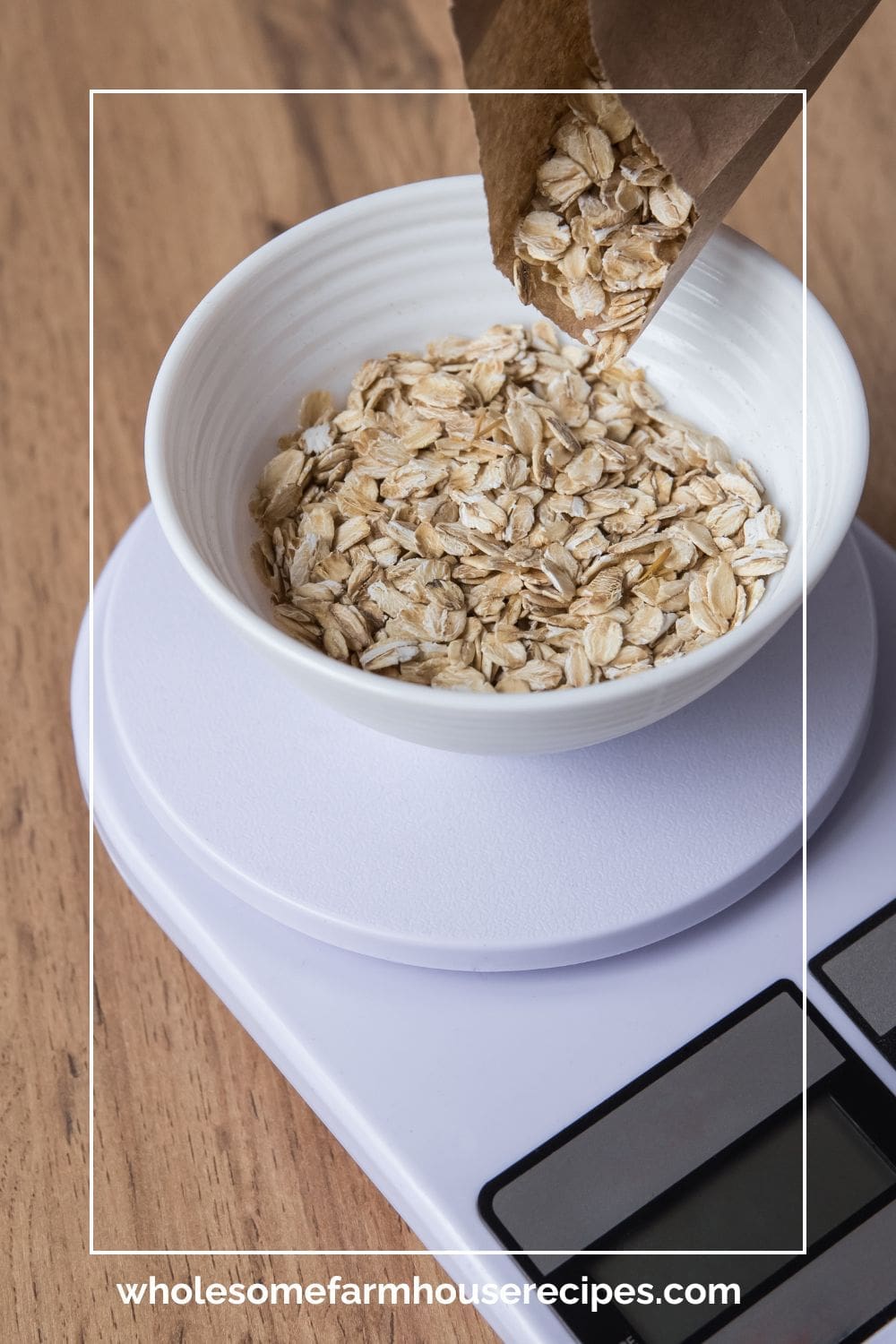
While measuring cups work well, a digital kitchen scale offers the highest level of accuracy.
Benefits of Using a Scale
- Consistent results
- Faster preparation
- Fewer measuring cups to wash
- Greater accuracy for bread and pastry recipes
- Easy recipe scaling
For example, one cup of all-purpose flour should weigh approximately 120 to 125 grams. Depending on how it is scooped, a measuring cup can vary significantly from that amount.
Common Baking Weights
| Ingredient | Volume | Approximate Weight |
| All-purpose flour | 1 cup | 120–125 grams |
| Granulated sugar | 1 cup | 200 grams |
| Brown sugar, packed | 1 cup | 220 grams |
| Butter | 1 cup | 227 grams |
Quick Measuring Guide
| Ingredient | Best Method |
| Flour | Spoon and level |
| Granulated sugar | Fill and level |
| Brown sugar | Pack firmly and level |
| Powdered sugar | Spoon and level |
| Cocoa powder | Spoon and level |
| Oats | Fill lightly and level |
| Honey | Liquid cup or scale |
| Milk | Liquid measuring cup |
| Oil | Liquid measuring cup |
| Peanut butter | Pack and level |
Seven Common Measuring Mistakes to Avoid
- Scooping flour directly from the bag
- Packing flour into measuring cups
- Using dry cups for liquids
- Using liquid cups for dry ingredients
- Reading liquid measurements from above
- Forgetting to level dry ingredients
- Using damaged or inaccurate measuring tools
Correcting these simple mistakes can dramatically improve baking consistency.
Why can’t I scoop flour directly from the bag?
Scooping compresses flour and often adds more than the recipe requires, which can result in dry, dense baked goods.
Should brown sugar always be packed?
Yes. Unless a recipe specifically states otherwise, brown sugar should be firmly packed into the measuring cup.
Can I use the same measuring cup for dry and liquid ingredients?
For best accuracy, use dry measuring cups for dry ingredients and liquid measuring cups for liquids.
Is a kitchen scale worth buying?
If you bake frequently, a digital kitchen scale is one of the most useful tools you can own. It improves accuracy and consistency while reducing cleanup.
Why do my baked goods turn out differently each time?
Inconsistent measuring techniques are one of the most common causes of varying baking results.
Troubleshooting Your Baking Results
If your baked goods aren’t turning out as expected, measuring errors could be part of the problem.
Dry or Crumbly Results
Possible causes:
- Too much flour
- Too little liquid
- Overpacked measuring cups
Dense Cakes or Muffins
Possible causes:
- Excess flour
- Incorrect measuring of leavening ingredients
- Improper mixing
Cookies That Spread Too Much
Possible causes:
- Too little flour
- Too much liquid
- Incorrect butter measurements
Gummy or Undercooked Centers
Possible causes:
- Excess liquid
- Incorrect flour measurement
- Inaccurate oven temperature
Measuring Ingredients Correctly
Accurate measuring may seem like a small detail, but it can make the difference between a recipe that disappoints and one that turns out perfectly every time. By using the proper measuring tools, following ingredient-specific techniques, and considering a kitchen scale for greater precision, you’ll enjoy more consistent baking results and greater confidence in the kitchen.
The next time you reach for flour, sugar, milk, or butter, take an extra moment to measure carefully. Those few extra seconds can lead to lighter cakes, softer cookies, fluffier muffins, and better baking success every time.
Stay connected with Wholesome Farmhouse Recipes
Add Wholesome Farmhouse Recipes as a preferred source in Google Search to make it easier to find our recipes and cooking ideas when you're searching for something delicious to make.


