
There’s something deeply comforting about stuffed bell peppers that hold their shape, doesn’t turn into mush, and actually delivers flavor in every forkful. Most stuffed pepper recipes leave you with watery disasters or bland filling that tastes like an afterthought. The problem is usually the rice, the liquid ratio, or cooking the peppers into oblivion before they even hit the oven.
This version fixes all of that. You get sweet bell peppers that stay tender but structured, a savory beef and rice filling that’s seasoned properly, and enough melty cheese to make every bite feel like the kind of meal you’d crave on a cold Tuesday night.
Here’s how to make stuffed peppers that don’t suck.
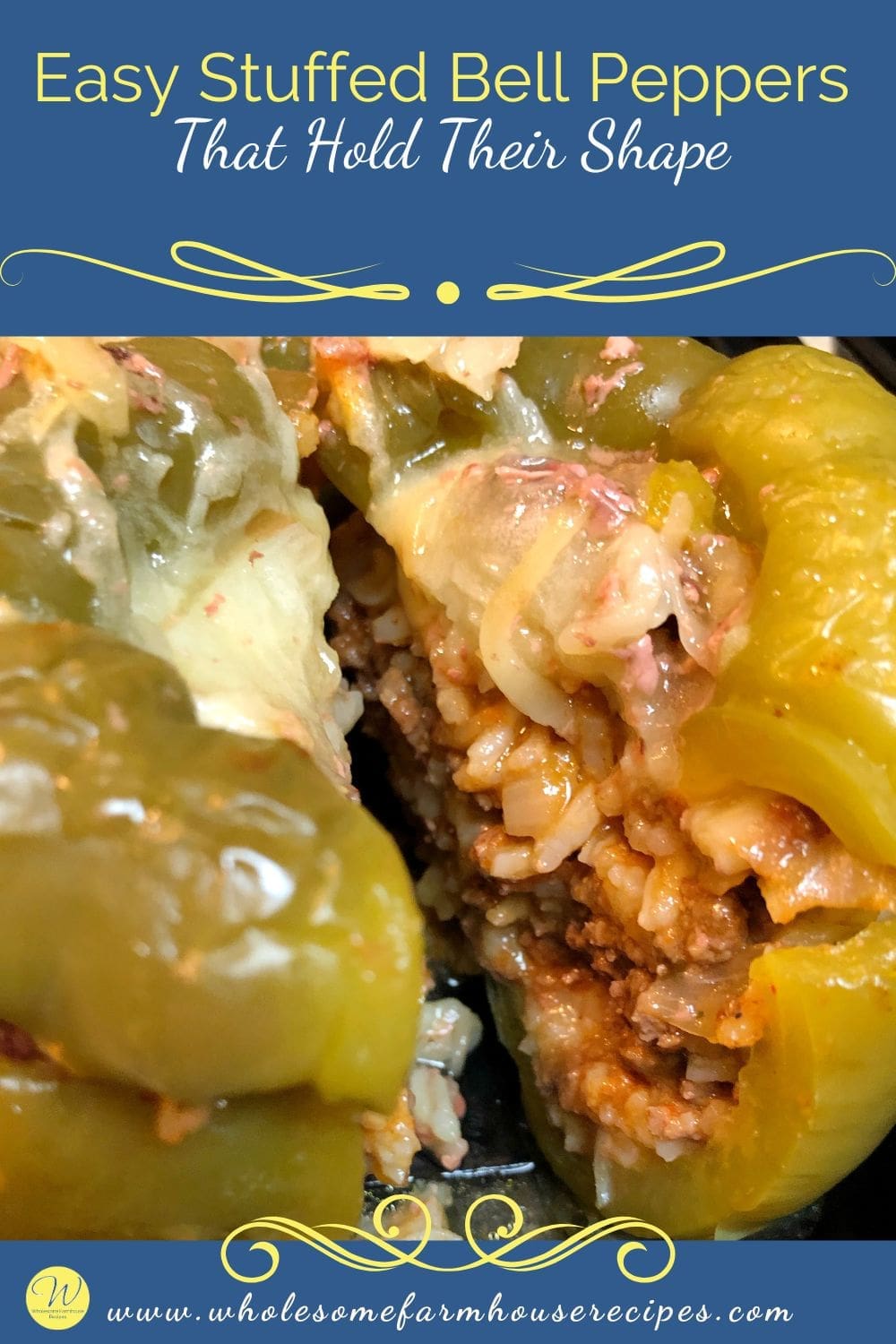
Why This Recipe Works
This isn’t just another traditional stuffed peppers recipe that looks good in photos but falls apart on the plate.
The secret is in three moves most recipes skip. First, you par-cook the peppers just enough to take the raw edge off without turning them into limp vessels. They need structure to hold the filling and stand up through baking time. Second, the filling gets built in a large skillet where the lean ground beef browns properly and the cooked rice absorbs all that rendered fat and seasoning. No separation, no dry pockets. Third, the cheese goes in two places: mixed into the filling for creaminess and piled on top for that browned, melty cheese finish everyone actually wants.
The ratio matters too. Too much rice and you’re eating a grain bowl in pepper form. Too much meat and it gets dense and greasy. This lands right in the sweet spot where each component supports the others.
You’re also using tomato sauce in the filling and underneath the peppers in the baking dish, which does double duty. It keeps everything moist during baking and adds a slight acidity that cuts through the richness of the beef. The result is a classic filling that tastes layered, not flat.
This is the kind of meal that reheats well, scales easily, and works whether you’re feeding two people or eight. It’s reliable, which is exactly what a classic recipe should be.

Easy Stuffed Bell Peppers That Hold Their Shape
As an Amazon Associate I earn from qualifying purchases.
Kitchen Essentials

Ingredients
- 4 Large Bell Peppers any color
- 2 Tablespoons Olive Oil
- 1 Pound Ground Beef
- 2 Tablespoons Onion diced
- 1 Cup Cooked Rice
- 1 Teaspoon Salt
- 1 Teaspoon Garlic Powder or 1 Clove Garlic, finely chopped
- 1 Teaspoon Italian Seasoning
- 30 Ounces Tomato Sauce divided
- 1 Cup Chicken Stock
- 1 Cup Mozzarella Cheese Shredded and divided
Instructions
Step-by-Step Instructions
- Prep the peppers. Cut the tops off each pepper and remove the seeds and membranes inside. You want a clean hollow shell. If the bottom of the pepper is wobbly and won’t stand upright, slice a tiny bit off the base to create a flat surface. Just don’t cut through to the inside or the filling will leak out.4 Large Bell Peppers
- Blanch the peppers. Bring a large pot of salted water to a boil. Drop the peppers in and cook for 3 to 4 minutes until they’re slightly softened but still hold their shape.
- This step is key. It takes the raw crunch out of the peppers without turning them mushy. Pull them out with tongs and set them upside down on a paper towel-lined plate to drain. You don’t want water pooling inside when you stuff them.
- Preheat your oven to 375°F. While the oven heats, get your baking dish ready. Pour half of the tomato sauce into the bottom of the dish and spread it evenly. This creates a moisture buffer and prevents the peppers from sticking or burning.30 Ounces Tomato Sauce
- Brown the beef. Heat a large skillet over medium-high heat and add the olive oil. Once it’s shimmering, add the ground beef. Break it up with a wooden spoon and let it cook undisturbed for 2 to 3 minutes so it gets a good brown crust. Add the diced onion, salt, garlic powder, and Italian seasoning. Then stir and continue cooking until no pink remains.2 Tablespoons Olive Oil, 1 Pound Ground Beef, 2 Tablespoons Onion, 1 Teaspoon Salt, 1 Teaspoon Garlic Powder, 1 Teaspoon Italian Seasoning
- Add the rice and sauce. Stir in the cooked rice, chicken stock and the remaining tomato sauce. Mix everything thoroughly so the rice is coated and the beef is evenly distributed. Let it cook together for 2 minutes. Taste it. This is your last chance to adjust seasoning before it goes into the peppers. Add more salt, pepper, or Italian seasoning if it tastes flat.1 Cup Cooked Rice, 1 Cup Chicken Stock
- Stir in half the cheese. Pull the skillet off the heat and fold in half of shredded cheese. It'll melt into the filling and make everything creamy and cohesive. This is what separates a good filling from a great one.1 Cup Mozzarella Cheese
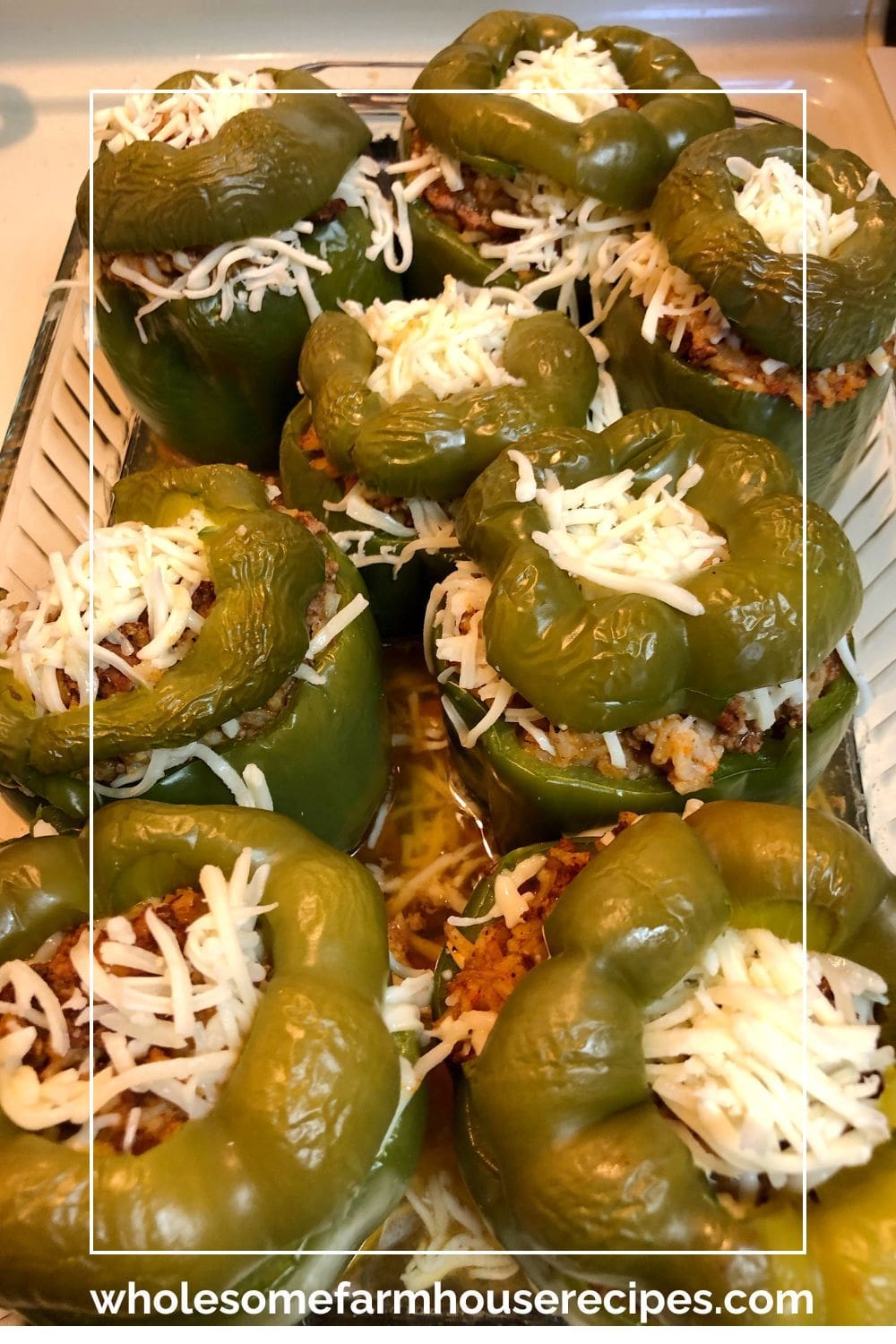
- Stuff the peppers. Stand the peppers upright in the prepared baking dish. Spoon the filling into each pepper, packing it down gently as you go. Fill them all the way to the top. You want them fully loaded, not half-empty.
- Top with cheese and cover. Sprinkle the remaining cheese over the tops of the peppers. Cover the baking dish tightly with aluminum foil. This traps steam and keeps the peppers tender while they bake.
- Bake covered for 45 minutes. The peppers will soften further and the filling will heat through. After 45 minutes, remove the foil and bake for another 10 to 15 minutes until the cheese on top is golden and bubbly. If you want extra browning, switch the oven to broil for the last 2 minutes. Just watch it closely so it doesn’t burn.
- Rest before serving. Let the peppers sit for 5 minutes after you pull them from the oven. This lets the filling set slightly so it doesn’t spill everywhere when you cut into them. Spoon some of the tomato sauce from the bottom of the dish over the top before serving.
- If the peppers look like they’re browning too fast, tent the foil back over the top even after you’ve uncovered them. If they’re taking longer to soften, add 5 more minutes of covered baking time. Oven temps vary, so use visual cues like bubbling sauce and tender pepper walls as your guide.
Your Own Private Notes
Notes
Recipe Tips
Use day-old rice if you can. Freshly cooked rice is wetter and can make the filling soggy. Leftover rice from the fridge is drier, so it absorbs the tomato sauce and beef fat without turning mushy. If you only have fresh rice, spread it on a sheet pan and let it cool completely before mixing it into the filling. Don’t skip the blanching step. Yes, you can stuff raw peppers and bake them longer, but they never cook as evenly. Blanching gives you control. The peppers soften predictably and the filling doesn’t dry out from extended baking time. Cover tightly with foil. If the foil isn’t sealed well, steam escapes and the peppers dry out. Press the edges of the foil around the rim of the baking dish to create a tight seal. If your foil keeps slipping, use two sheets layered in opposite directions. Let them rest. Cutting into a stuffed pepper straight out of the oven means the filling slides out everywhere. Five minutes of resting time lets everything firm up just enough to hold together on the plate. These small moves are what separate home-cooked stuffed peppers from the restaurant-quality version that actually looks like the photo.Nutrition
Ingredient Variations
Every ingredient here has a job, and understanding what each one does will help you adjust this recipe to whatever’s in your fridge.
- Sweet bell peppers. Go for peppers that can stand upright on their own. Red, yellow, or orange are sweeter and cook down beautifully. Green peppers work too, but they’re sharper and slightly bitter. The size of your peppers determines how much filling you need, so try to pick ones that are roughly the same height.
- Lean ground beef. This is the backbone of the filling. Lean ground beef gives you enough fat for flavor without leaving a greasy puddle at the bottom of the pepper. You can swap in ground turkey for a lighter version, or try Italian sausage if you want more aggressive seasoning built in.
- White rice or brown rice. Cooked rice bulks up the filling and soaks up all the seasoning and tomato sauce. White rice gives you fluffy rice with a softer texture. Brown rice or cauliflower rice work if you want more fiber or fewer carbs. Leftover rice is actually ideal here since it’s drier and won’t make the filling soggy.
- Tomato sauce. Half goes into the filling for moisture and flavor. The other half goes into the bottom of the baking dish to keep the peppers from scorching and to create a light sauce you can spoon over the top when serving.
- Shredded cheese. Use a melty cheese like mozzarella, cheddar, or a Mexican blend. Half gets stirred into the filling so every bite is creamy. The other half goes on top for that golden, bubbly finish.
- Variations & Swaps
- This recipe is flexible enough to handle all kinds of substitutions and flavor shifts without losing what makes it work.
- Swap the protein. Ground turkey is the easiest one-to-one swap for beef. It’s leaner, so consider adding an extra tablespoon of olive oil to the skillet to keep the filling moist. Italian sausage brings more fat and built-in seasoning, which means you can scale back on the garlic powder and Italian seasoning. For a vegetarian version, use black beans or lentils in place of the meat and add extra vegetables like diced zucchini or mushrooms to the filling.
- Change the rice. Brown rice adds a nutty flavor and chewier texture. Cauliflower rice keeps it low-carb and lighter. Whole grain options like farro or quinoa work too, but they have a firmer bite, so make sure they’re fully cooked before mixing them into the filling.
- Go regional. For Mexican-style stuffed peppers, swap the Italian seasoning for cumin and smoked paprika. Use pepper jack cheese instead of mozzarella, add black beans and corn to the filling, and top with sour cream and fresh cilantro after baking. For a Greek version, use ground lamb, add oregano and cinnamon to the filling, stir in crumbled feta, and finish with a dollop of tzatziki.
- Make it spicy. Add diced jalapeños or a few shakes of red pepper flakes to the filling. Use pepper jack cheese or mix in a spoonful of hot sauce with the tomato sauce.
- Use different peppers. If you can’t find large bell peppers, use poblano peppers for a smoky flavor or smaller sweet peppers if you want individual portions. Just adjust the baking time since smaller peppers cook faster.
- Add fresh herbs. Stir in chopped fresh basil, parsley, or cilantro right before stuffing the peppers. It adds brightness and makes the filling taste less heavy.
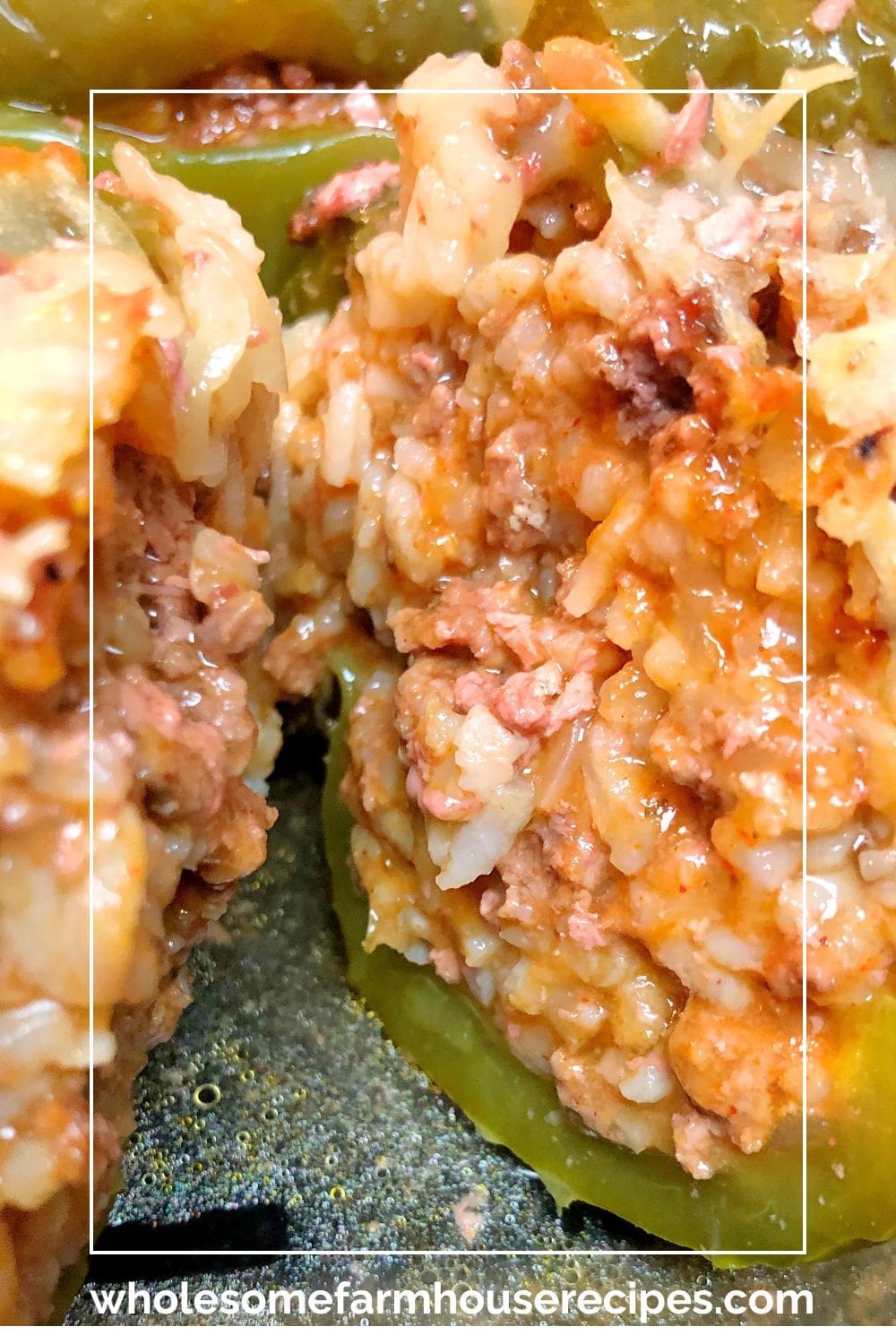
Pairing Suggestions
Stuffed peppers are hearty enough to stand alone, but pairing them with the right sides or drinks makes the meal feel more complete.
A simple green salad with a sharp vinaigrette cuts through the richness of the beef and cheese. Keep it light with mixed greens, cucumber, and a lemon-olive oil dressing. You don’t need anything heavy here.
For wine, go with a medium-bodied red like Chianti or Sangiovese. The acidity matches the tomato sauce and the tannins handle the beef without overpowering the sweetness of the peppers. If you prefer white, try a Pinot Grigio with enough crispness to balance the melty cheese.
Garlic bread or a crusty baguette is perfect for soaking up the tomato sauce at the bottom of the baking dish. Toast it with butter and a sprinkle of parmesan for extra flavor.
If you want another side, roasted vegetables like zucchini, asparagus, or Brussels sprouts add color and texture contrast. Or go with a grain like quinoa or farro if you want to skip the bread and keep it lighter.
Stuffed peppers also pair well with a cold beer, especially a lager or pilsner that refreshes your palate between bites.
Storage Tips
Stuffed peppers store beautifully, which makes them ideal for meal prep or batch cooking.
Let the peppers cool completely before storing. Transfer them to an airtight container and refrigerate for up to 4 days. If you’re stacking them, place a sheet of parchment paper between layers so the cheese doesn’t stick.
Reheating Stuffed Peppers
To reheat, place the peppers in a baking dish, cover with aluminum foil, and warm in a 350°F oven for 20 to 25 minutes until heated through.
You can also microwave individual peppers for 2 to 3 minutes, but the texture won’t be as good. The oven keeps the peppers tender and re-melts the cheese properly.
Make Ahead and Freezer for Later
For longer storage, freeze the stuffed peppers. Wrap each one individually in plastic wrap, then place them all in a freezer-safe airtight container or zip-top bag. They’ll keep for up to 3 months.
To reheat from frozen, unwrap, place in a baking dish, cover with foil, and bake at 375°F for 45 to 50 minutes. Let them thaw in the fridge overnight if you want faster reheating.
The tomato sauce at the bottom of the dish can be stored separately in a jar and reheated to spoon over the peppers when serving. It keeps the peppers from drying out and adds extra moisture if they’ve been in the fridge for a few days.
Leftover Transformations
If you have leftover stuffed peppers, or even just leftover filling, there are a few smart ways to repurpose them beyond reheating and eating them the same way twice.
Chop up a leftover stuffed pepper and turn it into a pepper casserole. Spread the chopped peppers and filling in a baking dish, top with extra cheese and breadcrumbs, and bake until bubbly. You get all the same flavors with a completely different texture.
Turn the filling into a pepper soup. Scoop out the filling, chop the pepper shells, and add everything to a pot with extra tomato sauce or broth. Simmer until heated through and serve with crusty bread. It’s faster than making soup from scratch and tastes just as satisfying.
Use the filling as a base for a rice bowl. Reheat the filling, serve it over fresh greens or more fluffy rice, and top with sour cream, avocado, and a squeeze of lime. It works especially well if you went the Mexican route with the seasonings.
Stuff the filling into flour tortillas, roll them up, and bake them as stuffed pepper burritos. Top with more cheese and a drizzle of the tomato sauce from the original recipe.
If you only have a small amount of filling left, scramble it into eggs for breakfast or use it as a topping for baked potatoes.
These transformations mean you’re not eating the exact same meal three nights in a row, which is the real goal of smart leftovers.
This is the stuffed pepper recipe you’ll come back to when you want something reliable, flavorful, and filling without a ton of fuss. It doesn’t try to be fancy, and that’s exactly why it works.
The peppers stay tender, the filling is savory and satisfying, and the whole thing reheats like a dream. Make it once and you’ll understand why this kind of meal never goes out of style.


My family loved this!