
Last updated on February 8th, 2026 at 11:57 am
If you are looking for a recipe for canning old-fashioned pickled beets that is still our family’s all-time favorite, this is the one you have been searching for.
I have tried many recipes for pickling beets, and they all have other spices such as cinnamon, cloves, or some other spice mix. To be honest, we did not enjoy those and ended up not eating them for a few years only to be emptied back into the garden.
Simple Pickled Beets Recipe with Great Results
This is a perfect way to prepare your garden produce. Enjoy anytime of the year. We like to serve all kinds of things that we have made like this at picnics, Holiday dinners, or anytime we are entertaining family and friends.
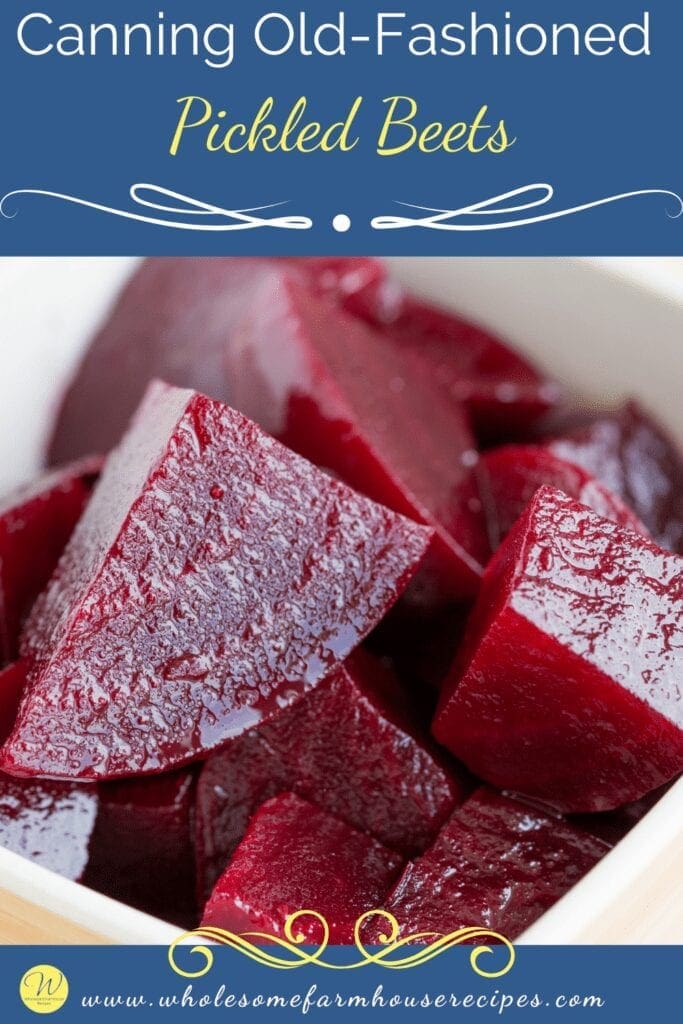
Therefore, a plain and simple recipe like this is the only one we make. Year after year, we eat every pickled beet and anxiously wait for the next harvest season from the garden.
Old-Fashioned Pickled Beets at a Glance
This old-fashioned pickled beet recipe uses a traditional vinegar brine and a water bath canner to safely preserve fresh beets for long-term storage. The sweet-tangy flavor, simple ingredients, and time-tested method make this a favorite for home canners who want a pantry staple that lasts all year.
What You’ll Love
- Shelf-stable, water bath canned recipe
- Made with simple, traditional ingredients
- Sweet and tangy flavor that improves with time
- Perfect for garden harvests and fall canning
Quick Details
- Method: Water bath canning
- Processing Time: Based on tested pickling guidelines
- Shelf Life: Up to 1 year when properly sealed and stored
- Best Season: Late summer through fall beet harvest

Canning Old-Fashioned Pickled Beets
As an Amazon Associate I earn from qualifying purchases.
Kitchen Essentials

Ingredients
- 5 Pounds Beets Washed with the leaves removed
- 3 Cups Granulated Sugar
- 3 Cups White Vinegar
- 2 Teaspoons Canning Salt 1/2 Teaspoon for each pint
Instructions
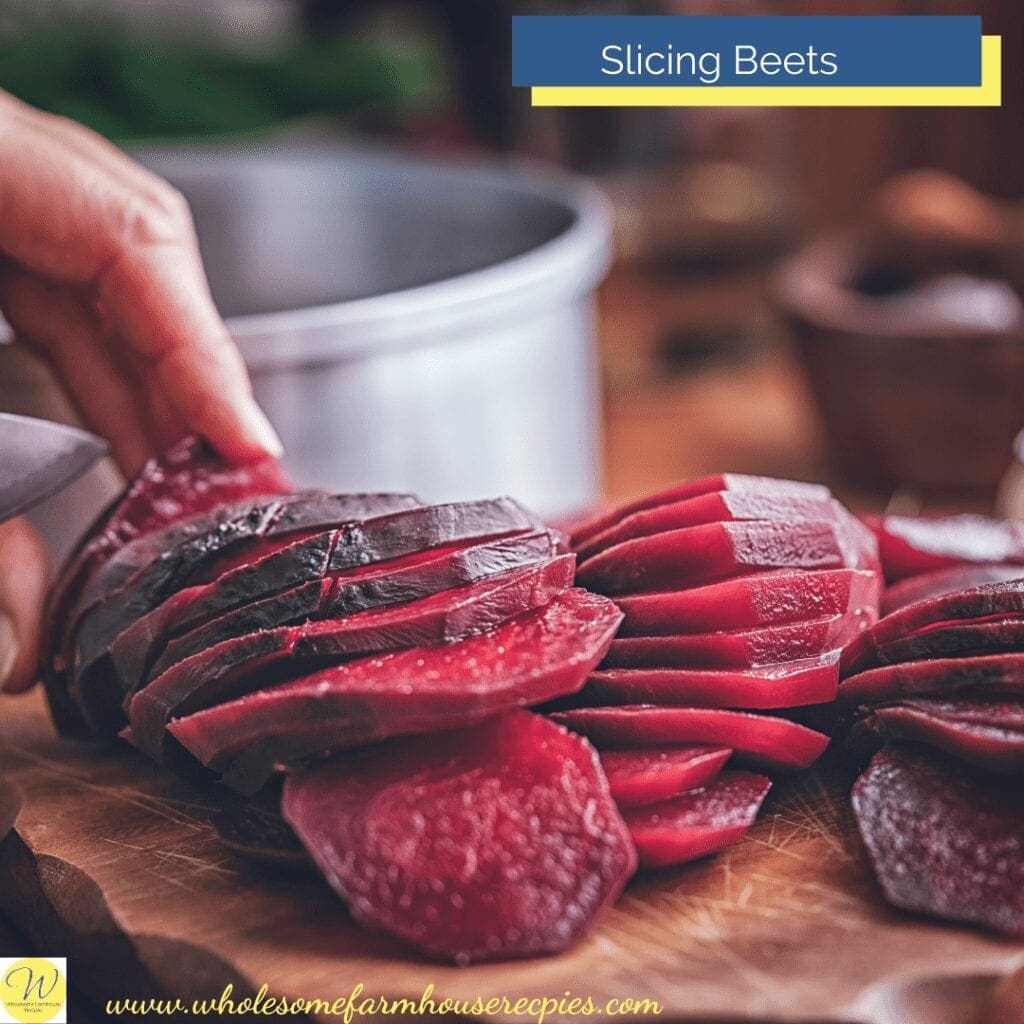
- Wash the beets. In a large stockpot fill with the beets and enough water to cover. Bring to a boil; cook until tender. This should take about 15 minutes depending on the size of the beets. When tender, place the beets in cold water, remove the skins and when cool cut into thin slices.5 Pounds Beets
- Sterilize jars and lids by immersing in boiling water for at least 10 minutes. Fill each jar with beets and ½ tsp. of salt in each pint.
- In a large saucepan, combine the sugar and vinegar. Bring to a boil and stir until the sugar is dissolved. (equal parts sugar and vinegar). If you have more beets, just make more brine and add ½ tsp of salt to each pint. Pour the hot brine over the beets in the jars, and seal with the lids.3 Cups Granulated Sugar, 3 Cups White Vinegar, 2 Teaspoons Canning Salt
Sealing the Jars
- Place a rack in the bottom of a large stockpot and fill halfway with hot water. Bring to a simmer, then carefully lower the jars into the pot using a holder or at least a hot pad. Leave a 2-inch space between the jars. Pour in more boiling water if necessary until the water level is at least 1 inch above the tops of the jars. Bring the water to a full boil, cover the pot, and process for 30 minutes.
- Carefully remove jars from stockpot and lace on a counter that has a towel laid out. Let sit to cool. While the jars cool, they will begin to make a popping sound as the lids begin to seal. When cool, push the center of each lid to make sure that it is sealed. If the lid makes a clicking noise or has any give at all, it is not sealed. The jars that did not seal should be refrigerated and eaten within 3-4 months.
Your Own Private Notes
Notes
Canning Safety Best Practices
Safe canning is essential for shelf-stable pickled beets. This recipe follows traditional, tested guidelines for acid-based water bath canning, which is appropriate for pickled vegetables. Key Safety Tips to Follow- Use vinegar with 5% acidity. This ensures the brine is acidic enough for safe water bath canning.
- Do not alter the vinegar-to-water ratio. Changes can affect acidity and shelf stability.
- Leave proper headspace. Typically ½ inch for pickled beets.
- Process jars fully submerged in boiling water.
- Adjust for altitude if needed. Higher elevations require longer processing times.
- Always check seals after cooling. Lids should be firm and not flex when pressed.
Nutrition
Ingredient & Spice Variations
One of the joys of old-fashioned pickled beets is how easy they are to customize while still keeping the recipe safe.
Flavor Variations to Try
- Apple Cider Vinegar: Adds a deeper, slightly fruity flavor.
- Honey or Maple Syrup: Swap for sugar for a softer sweetness (use equal amounts).
- Warm Spices: Cinnamon sticks, whole cloves, or allspice berries for a classic pantry flavor.
- Savory Touch: Bay leaves or mustard seeds for depth.
- Golden Beets: Create a milder, less earthy version with beautiful color.
👉 Tip: Add spices whole, not ground, to keep the brine clear and balanced.
Save the Beet Greens
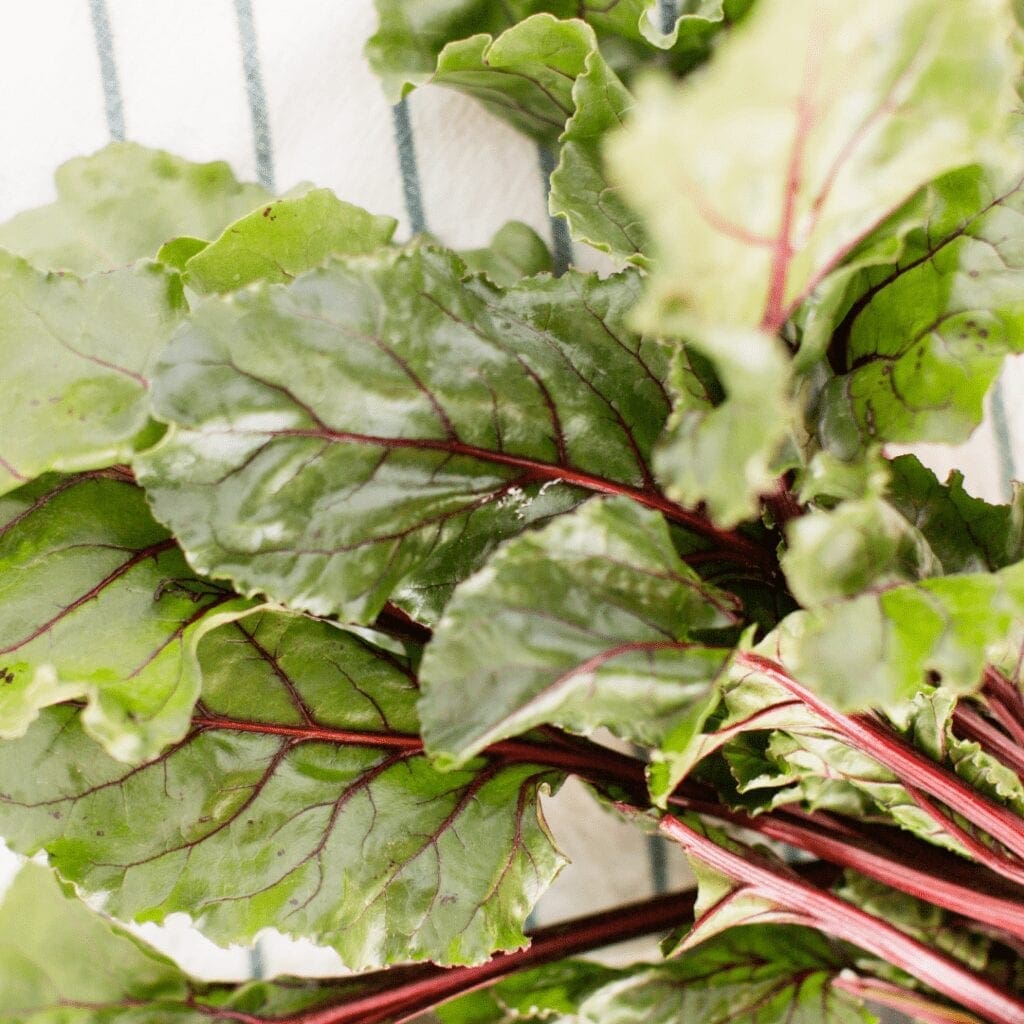
Make sure when cleaning the beets to save the beet greens as the little greens are delicious when added to a salad. The larger beet greens can be cooked and eaten with a bit of butter, vinegar, salt, and pepper.
Sterilize Jars and Lids
Sterilize jars and lids by immersing in boiling water for at least 10 minutes. Carefully remove from the hot water with a tongs. I like to set the jars on a clean towel on the counter so the water that drips off the jar is contained. Then I proceed to prepare the beets and the brine.
Preparing the Beets
Wash the beets getting all the dirt out of the crevices. Trim the beet greens to about 1-inch. Cover with water and cook about 15-25 minutes depending on the size. When checking with a fork and the fork goes in easily, they are done. Drain the water and let the beets cool until they are cool enough to handle.
Peeling the Vegetable is Easy Once Cooked
Your fingers will get red when peeling the beets; therefore, you might find that you want to wear a pair of latex gloves. Peel beets by applying pressure against the skin of the beet with your fingers. The outer skin will slide right off. Once you have rubbed the skin off the beets, trim the tops of the beet and any remaining root.
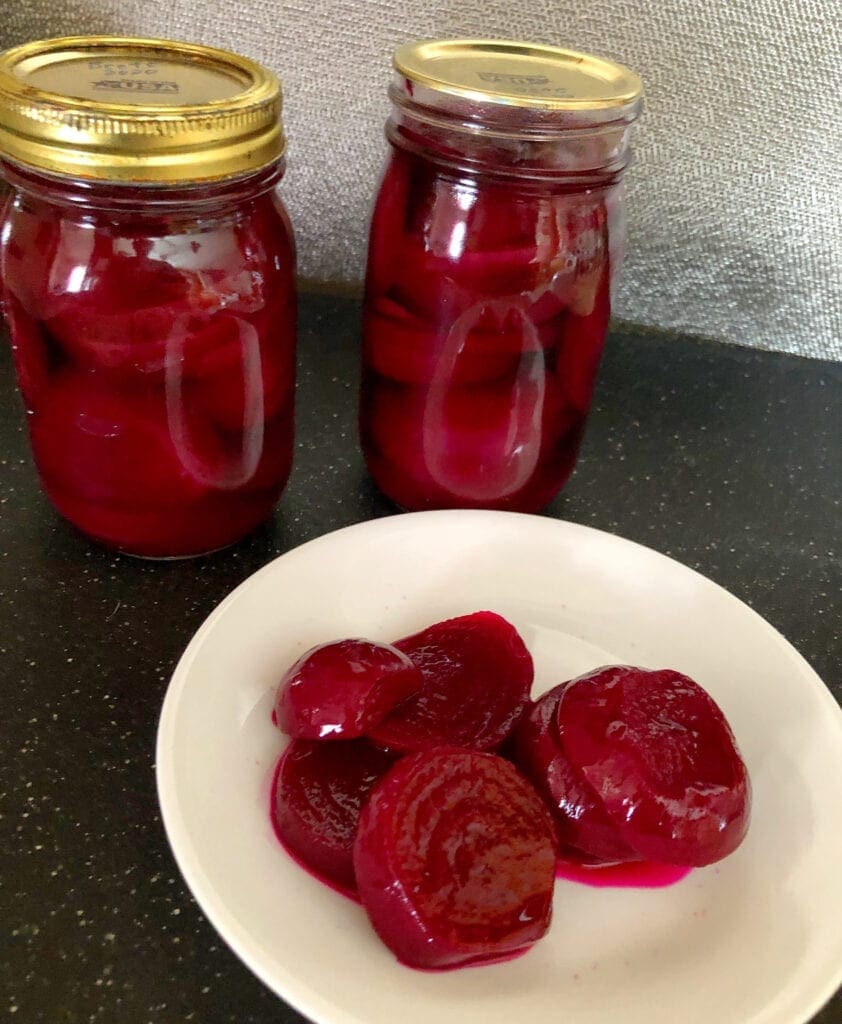
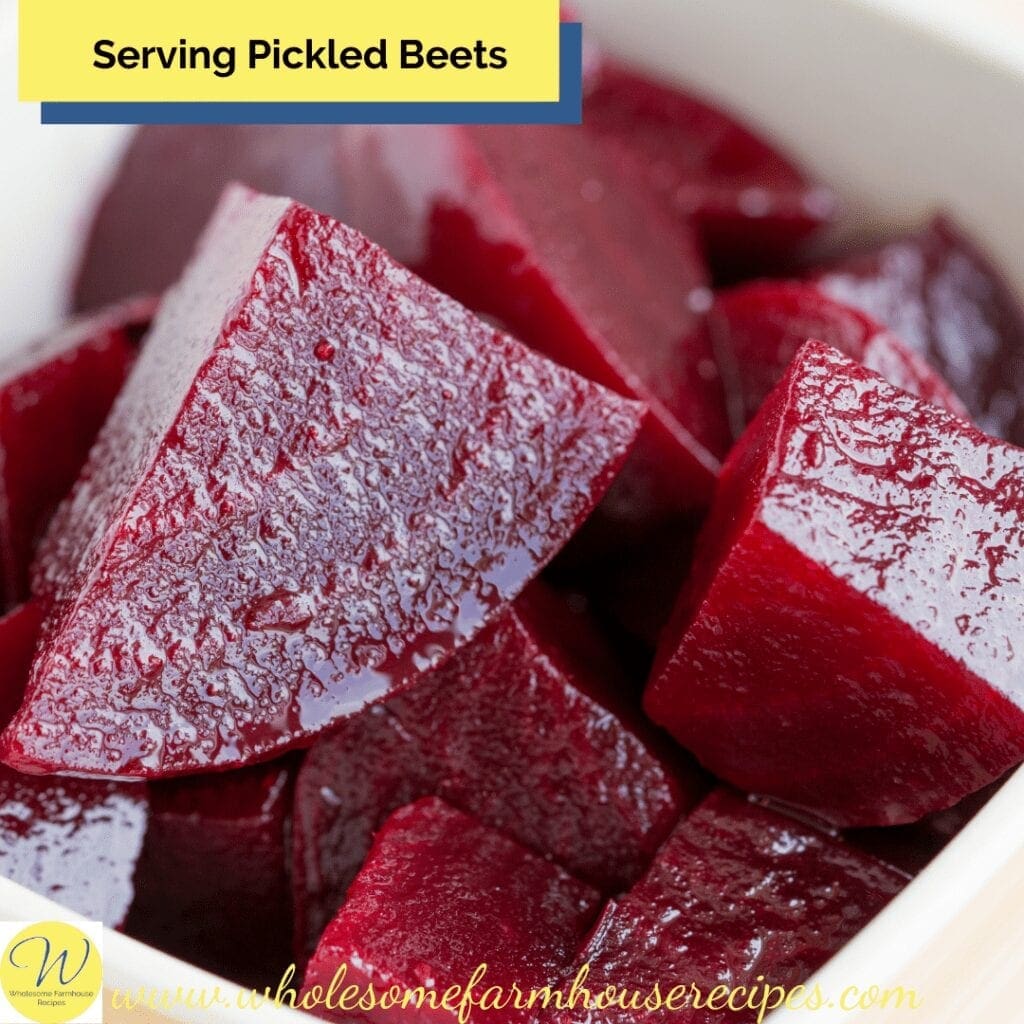
Slice the beets into quarters, or slices and pack them into sterilized pint jars.
Making the Brine for Old-Fashioned Pickled Beets
While the beets are cooling, combine the white vinegar, and in a saucepan and bring to a boil, stirring occasionally, and then reduce to a simmer. Stir until the sugar is dissolved.
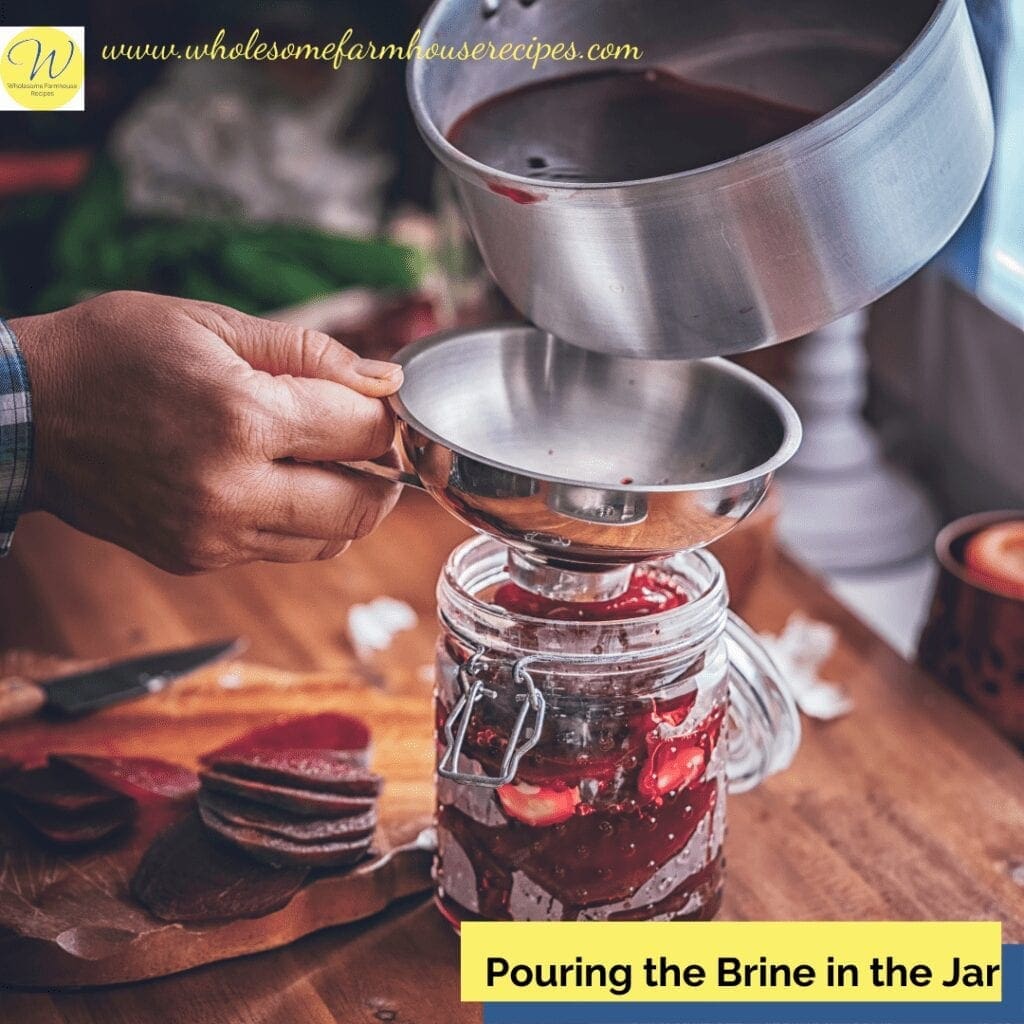
Adding the Brine to the Canning Jars
Ladle the hot liquid mixture over beets leaving about 1/4-inch head space. Remove any air bubbles, add the sealing lid and the ring.
Processing the Jars Packed with Beets and Brine
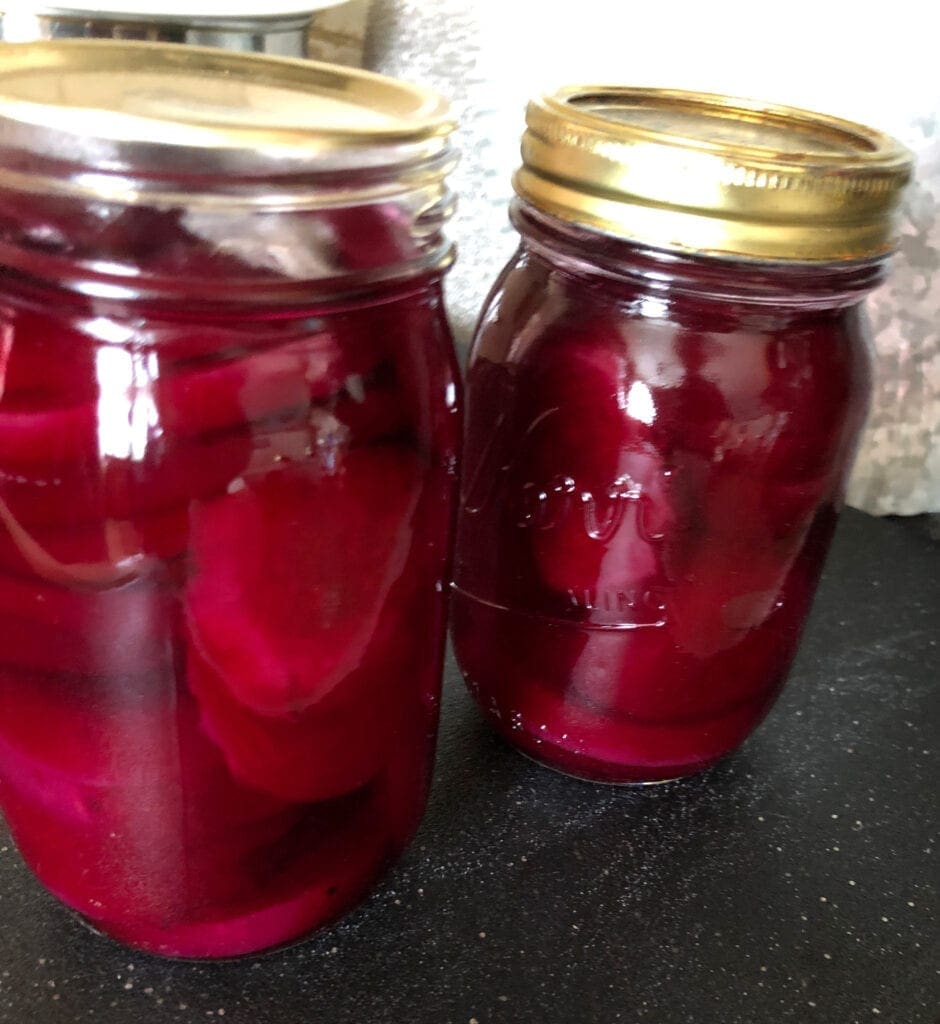
Place a rack in the bottom of a large stockpot and fill halfway with hot water. Bring to a simmer, then carefully lower the jars into the pot using a holder or at least a hot pad. Leave a 2-inch space between the jars. Pour in more boiling water if necessary, until the water level is at least 1 inch above the tops of the jars. Bring the water to a full boil, cover the pot, and process for 30 minutes.
Carefully remove jars from stockpot and lace on a counter that has a towel laid out. Let sit to cool. While the jars cool, they will begin to make a popping sound as the lids begin to seal. When cool, push the center of each lid to make sure that it is sealed. If the lid makes a clicking noise or has any give at all, it is not sealed. The jars that did not seal should be refrigerated and eaten within 3-4 months.
Adjusting the Pickled Beets Recipe
If you have more beets, just make more brine of equal parts of sugar and vinegar and add ½ tsp of salt to each pint.
The nutritional values for this recipe are for a pint of beets. Therefore, divide the values by how much you consume of a jar.
What to Serve With Pickled Beets
Classic & Hearty Pairings
Pickled beets shine alongside rich, savory foods where their acidity helps balance the meal.
- Roast beef or pot roast
- Ham, pork chops, or baked pork loin
- Meatloaf or Salisbury steak
- Bratwurst or kielbasa
- Fried chicken or baked chicken thighs
Old-fashioned tip: Pickled beets were traditionally served as a bright, acidic side to cut through heavier meats.
Comfort Food Favorites
- Mashed potatoes or scalloped potatoes
- Buttered egg noodles
- Baked potatoes or potato pancakes
- Macaroni and cheese
The slight sweetness of pickled beets pairs especially well with creamy dishes.
Light & Fresh Options
Pickled beets add color and zip to lighter meals.
- Tossed green salad with goat cheese or feta
- Spinach salad with hard-boiled eggs
- Grain bowls with quinoa or farro
- Cottage cheese or ricotta with herbs
Breakfast & Brunch Pairings
Yes — pickled beets absolutely work at breakfast!
- Scrambled or fried eggs
- Omelets with cheese and herbs
- Avocado toast
- Breakfast hash or skillet potatoes
Cheese & Charcuterie Boards
Pickled beets make a beautiful addition to snack boards.
- Sharp cheddar or aged gouda
- Cream cheese or herbed goat cheese
- Crusty bread or crackers
- Smoked meats or summer sausage
How to Use Pickled Beets Beyond a Side Dish
- Chop and add to potato or pasta salad
- Slice onto sandwiches or wraps
- Mix into coleslaw for color and tang
- Serve as a garnish for grain bowls
Old-Fashioned Serving Tip
Serve pickled beets chilled or at room temperature. For a classic farmhouse presentation, drizzle lightly with beet juice and add a sprinkle of fresh herbs or cracked black pepper.
Why These Are “Old-Fashioned” Pickled Beets (Content Update)
Old-fashioned pickled beets are different from many modern refrigerator or quick-pickle recipes.
What Makes Them Old-Fashioned
- Water bath canned instead of refrigerated
- Simple pantry staples instead of specialty ingredients
- Balanced sweet-tangy brine, not overly sugary
- Designed for long-term storage, not short-term snacking
Historically, pickled beets were a practical way to preserve the harvest without refrigeration. These recipes focused on reliability, flavor, and shelf life — qualities that still matter to home canners today.
Seasonal Notes
Pickled beets are best made during late summer and fall, when beets are at their peak flavor and texture. This is also the traditional canning season when home pantries are stocked for the winter months.
If you’re harvesting beets from your own garden or buying from a local farm stand, pickling them soon after harvest results in the best texture and color.
Old-fashioned pickled beets are more than just a recipe — they’re a connection to traditional kitchen wisdom and practical food preservation. With simple ingredients, proper canning techniques, and a little patience, you’ll have jars of beautifully pickled beets ready to enjoy all year long.
Whether you serve them alongside a hearty farm-style meal, add them to salads, or enjoy them straight from the jar, these pickled beets are a pantry staple worth making again and again.
👉 If you love traditional preserving recipes, be sure to explore our other canning and pickling guides for seasonal inspiration.


