
Have you ever had an opened sealed package of Beef Tenderloin Sometimes Smell Like Sulfur? Well, you’re not alone.
You bring home a beautiful whole loin, already picturing a cozy family dinner or a special occasion meal. You open the package… and suddenly there it is—a strong sulfur or metallic smell that makes you pause.
If that’s ever happened to you, take a breath. You’re not alone, and in many cases, it doesn’t mean the meat is bad.
We cook the way many of us were taught using our senses, a little common sense, and a lot of respect for good ingredients. Let’s talk about why this smell happens, how to tell when beef is still good, and how to handle it so nothing unpleasant follows your meal to the table.
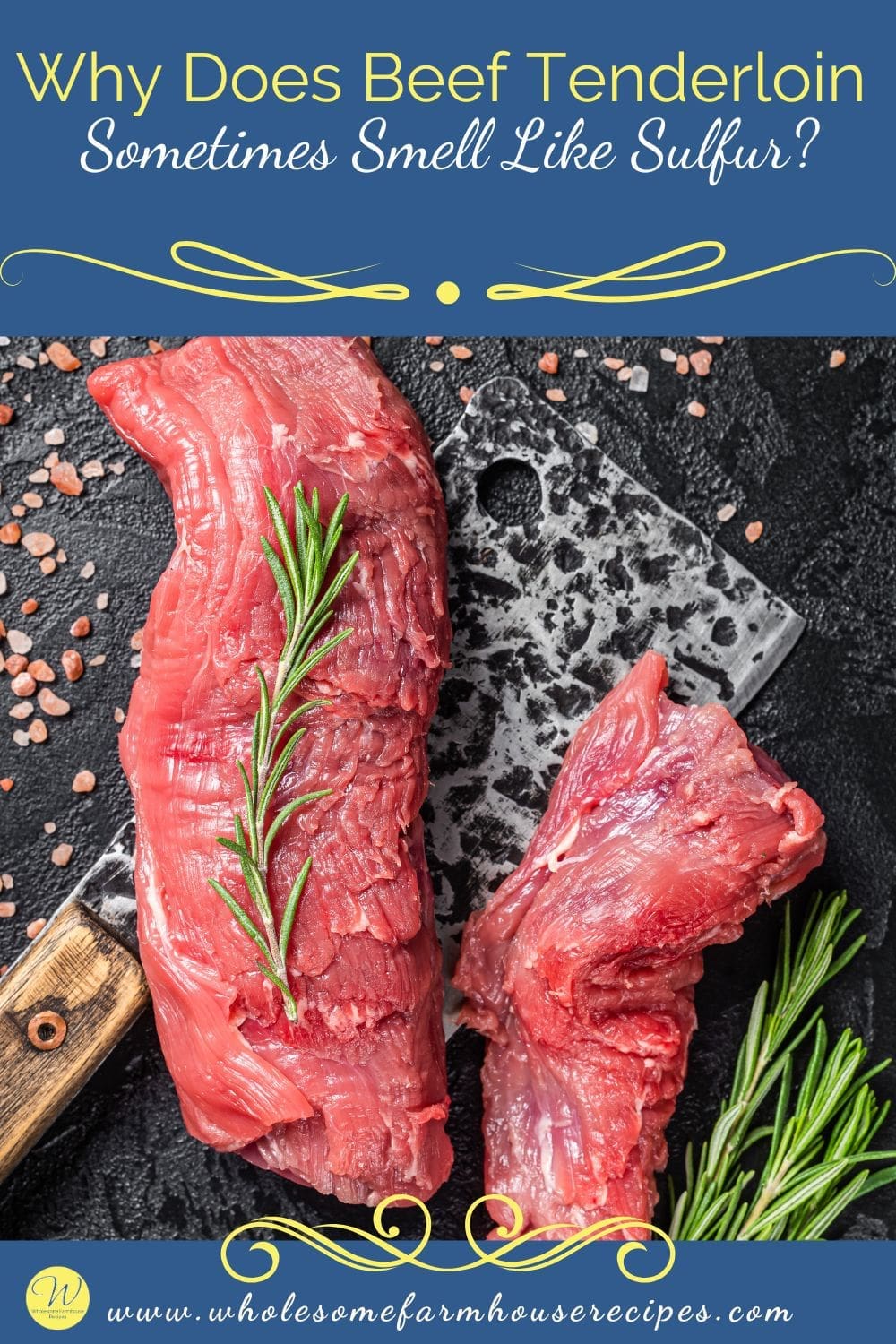
Is It Normal for Beef to Smell Like Sulfur?
Sometimes, yes. Especially with larger cuts like beef tenderloin.
Most beef from the grocery store is vacuum sealed. This keeps the meat fresh longer and protects it during transport. But it also means the beef sits without oxygen for a period of time. In that low-oxygen environment, natural processes during wet aging can cause sulfur-like compounds to develop.
When you open the plastic wrap, all of that trapped air is released at once. The smell can be surprising—almost like rotten eggs or something metallic—but that initial odor alone doesn’t automatically mean you have rotten meat.
Wet Aging vs. Dry Aging (In Plain Kitchen Terms)
You don’t need to be a butcher to understand this.
- Wet aging simply means the beef aged in sealed packaging, in its own juices. This is how most everyday beef is handled.
- Dry aging happens in carefully controlled conditions with airflow. A dry-aged steak smells rich and nutty. Not sulfurous.
So, if your beef tenderloin came sealed from the store, a brief sulfur smell is much more likely tied to wet aging than spoilage.
How Long Should That Smell Hang Around?
This is where home-cook instincts really matter.
What’s Usually Normal
- A strong smell right when the package is opened
- Odor fading within 15–30 minutes once exposed to air
- Meat feeling firm, not sticky
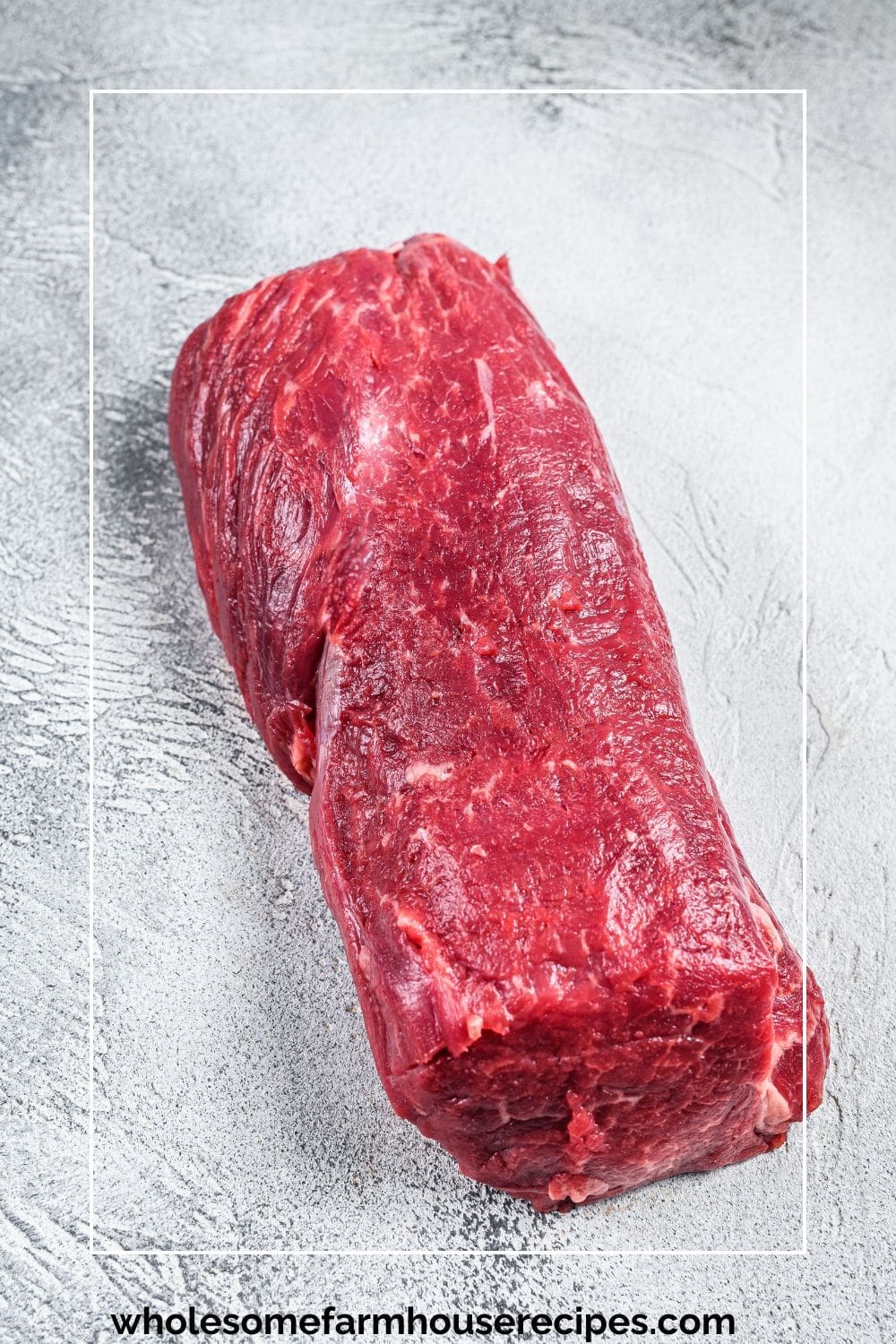
- Color blooming back to a bright red color as it rests
When to Stop and Toss It
- A bad smell that doesn’t fade or gets worse
- Sour, sewage-like, or sweet-rotting odors
- A slimy texture or sticky slimy film on the surface of the steak beyond normal connective tissue
- Gray, green, or odd brownish color unrelated to normal oxidation
- A surface of the meat that feels tacky
If your nose tells you something is wrong, trust it. That instinct keeps people safe from foodborne illness.
What Spoiled Steak Really Feels Like
A truly bad steak usually doesn’t hide it well. It may feel slick or tacky, look dull instead of fresh, and give off an odor that makes you want to step back—not lean in.
That combination of smell, texture, and appearance is a clear sign of microbial growth, and it’s not something to cook your way out of.
What About Sell-By and Use-By Dates?
Dates are helpful, but they aren’t the final word.
- A sell-by date helps the store manage inventory
- A use-by date points to peak quality
How the meat was stored, whether it stayed cold, and if it was ever frozen all matter just as much. A properly stored frozen steak can last a long time, though freezer burn may affect texture and flavor.
Always pair the date with your senses.
Should You Rinse Raw Steak?
You’ll hear different opinions on this.
From a food safety standpoint, rinsing raw meat isn’t recommended because it can spread bacteria around the kitchen. That said, many experienced home cooks and local butchers do give vacuum-sealed beef a quick rinse to remove purge and surface odors.
If you choose to rinse:
- Use cold water
- Keep splashing to a minimum
- Clean and sanitize your sink and counters right away
- Pat the meat completely dry
Dry meat cooks better and develops better flavor.
The Best Way to Get Rid of Sulfur Smell
This is one of those simple farmhouse solutions that really works.
- Remove the beef tenderloin fully from the plastic wrap
- Place it on a tray or rack so air can circulate
- Let it rest uncovered for 15–30 minutes
- Trim silver skin and excess fat
- Pat dry with paper towels
Fresh air does more to eliminate sulfur odors than any additive ever could.
Why Baking Soda Isn’t the Answer
You may see baking soda suggested online, but it’s not a great choice for raw meat. It doesn’t stop bacteria and can affect flavor and texture. Especially with a tender cut like beef tenderloin.
Time and airflow remain the safest, simplest fix.
Quick Takeaway for Busy Cooks
If you’re short on time and just need the bottom line, here it is:
- A sulfur or metallic smell when first opening vacuum-sealed beef tenderloin is often normal
- Let the meat air out for 15–30 minutes—fresh air usually solves the problem
- Trust your senses: firm texture, fresh color, and fading odor are good signs
- If the smell lingers, the surface turns slimy, or your instincts say no—discard it
When in doubt, taking the side of caution is always the right call.
When to Take the Side of Caution
I would personally discard the meat if:
- The smell never improves
- The surface becomes slimy
- The flavor tastes off after cooking
- I don’t feel comfortable serving it
No special dinner is worth the worry of food poisoning. Even if it is considered the best steak.
A Personal Note from My Kitchen
This experience happened to me right before a family meal, and I remember standing there wondering if I should risk it or start over. Beef tenderloin isn’t something most of us buy every week. It was a holiday meal. It’s often tied to holidays, celebrations, or those meals we really want to get right.
That moment reminded me why our parents and grandparents relied so heavily on their senses. They didn’t have endless rules or online opinions. Just experience, smell, touch, and common sense. That quiet pause before cooking is sometimes the most important step.
Final Thoughts
A sulfur smell from vacuum-sealed beef tenderloin can be surprising, but it’s often just part of wet aging and lack of oxygen—not a sign that the meat is unsafe. With a little time, airflow, and attention to texture and smell, most good cuts will tell you exactly what they need.
Cooking should feel confident, not stressful. Trust your senses, handle meat with care, and enjoy the kind of wholesome meals that bring people happily to the table.


