
Last updated on March 20th, 2026 at 11:42 am
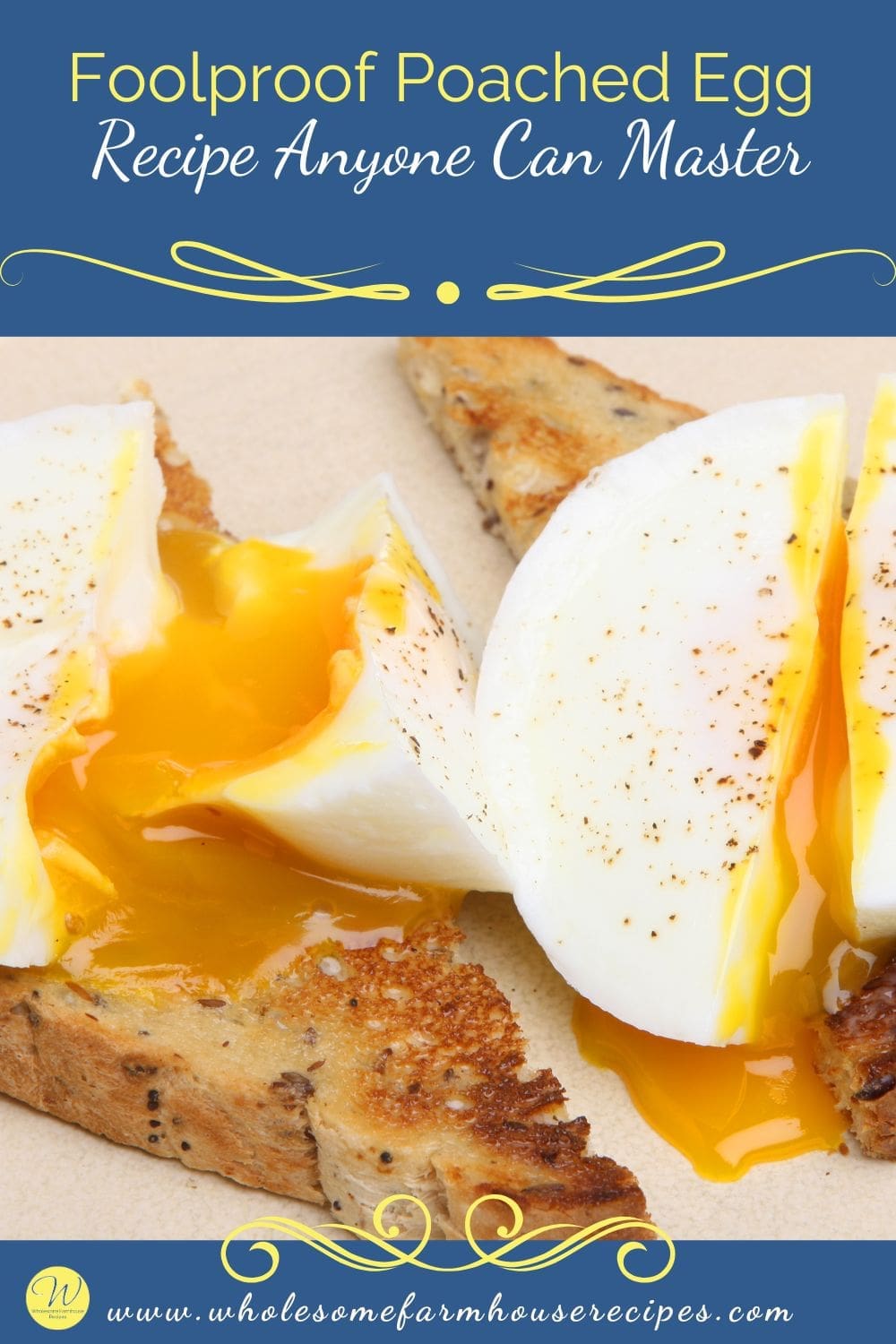
If you’ve ever wanted to make the perfect poached egg, the kind with silky egg whites and runny yolks that melt over a piece of toast or avocado toast , you’re in the right place.
Poaching eggs can feel intimidating the first time you try it, but with this easy method, you’ll be turning out beautifully poached eggs like a pro in no time.
Whether you’re making Eggs Benedict for brunch or topping grain bowls with a softly poached egg, learning the best method for poaching eggs is one of those simple kitchen skills that makes a big difference.
Why You’ll Love This Method
- It’s easy and foolproof. No fancy egg poacher or plastic wrap tricks needed.
- You’ll learn how to avoid watery whites and get tighter whites that hold together perfectly.
- It works for any size of eggs. Though medium or large are ideal.
- You can tweak the cooking time for a runny yolk or firmer yolk, depending on your taste.

Foolproof Poached Egg Recipe Anyone Can Master
As an Amazon Associate I earn from qualifying purchases.
Kitchen Essentials


Ingredients
- 2 Large Fresh Eggs
- 4 Inches Water
- Optional: small splash of vinegar if using older eggs
Instructions
Step-by-Step: How to Make the Best Poached Egg
- Heat the water. Fill a medium pot of water with about 3–4 inches of water. Bring it to a gentle simmer over medium heat. Not a full boiling water situation. You should see little bubbles forming on the bottom of the pan and gently rising to the surface of the water.4 Inches Water, Optional: small splash of vinegar if using older eggs
- Rule of thumb. the water temperature should be around 190°F (88°C) if you’re using an instant-read thermometer.
- Crack one egg at a time into a small dish. This helps keep the egg yolk intact and makes it easier to slide into the water later.2 Large Fresh Eggs
- Strain the egg (optional, but worth it!). For the best poached egg, place a fine-mesh strainer over a bowl and pour in the raw egg. Let any liquidy white drain off. That’s the part that can cause those wispy tails. You’ll be left with the thicker white that gives you firmer whites and a clean, compact shape.
- Create a gentle vortex. Use a wooden spoon to stir the simmering water in one direction until it forms a swirl or vortex in the center. The center of the vortex helps wrap the whites around the yolk for that classic perfectly poached egg shape.
- Slide in the egg. Gently pour the egg from your small bowl into the center of the vortex. The motion of the water will help the whites wrap around the yolk.
- Cook to your liking. Let the egg cook for about 3–4 minutes for a soft, runny yolk, or up to 5 minutes for a firmer yolk. The only thing to watch out for is letting the water boil too hard. Keep it at that gentle simmer the whole time.
- Remove and drain. Use a slotted spoon to carefully lift the egg out of the water. Set it on paper towels to absorb any extra moisture.
Your Own Private Notes
Notes
Tips for Poaching Eggs Like a Pro
- First time poaching eggs? Start with really fresh eggs. Older eggs tend to have more watery whites that don’t hold together as well. This can make the shape less tidy.
- Don’t overcrowd the pot. Poach one or two at a time.
- Water temperature is key. A gentle boil or gentle simmer (not a rolling boil) gives you the best results.
Nutrition
Serving Ideas
Once you’ve mastered the best poached egg, there are endless ways to enjoy it!
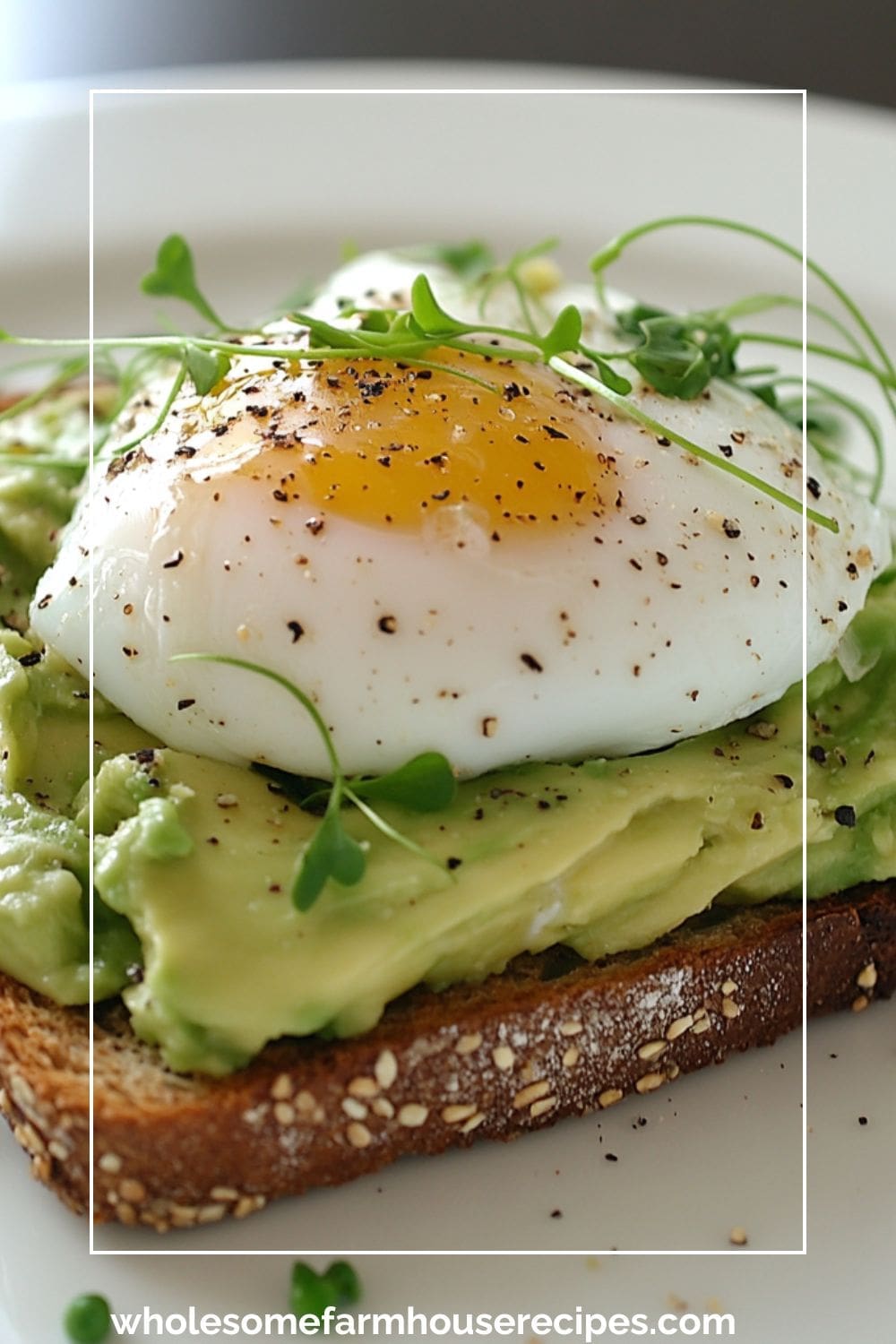
- Serve on avocado toast with a sprinkle of sea salt and red pepper flakes.
- Top grain bowls or sautéed veggies with a poached egg for extra protein.
- Add it to Eggs Benedict for a classic brunch dish.
- Keep it simple. Serve on a piece of toast with butter and a little cracked pepper.
- Replace your fried egg with a poached one for a lighter option.
What’s the difference between poached and fried eggs?
Poached eggs are cooked in water instead of oil, resulting in a silky egg white and soft egg yolk. Fried eggs have crisp edges and are cooked in fat, which changes the texture.
How do I get a runny yolk?
Cook the egg in a gentle simmer for about 3–4 minutes. For a slightly firmer yolk, leave it for 5 minutes. The water temperature and size of the egg can slightly affect timing.
Can I poach eggs in advance?
Yes! After cooking, cool the eggs in a bowl of cold water and store them in the fridge for up to 2 days. Reheat gently in hot water before serving. Avoid the microwave to keep the egg yolk runny.
Why does my egg white spread out in the water?
This usually happens with older eggs or eggs that aren’t very fresh. Straining the liquidy white through a fine-mesh sieve before poaching can help keep your whites tighter.
Easy Way to Poach Eggs
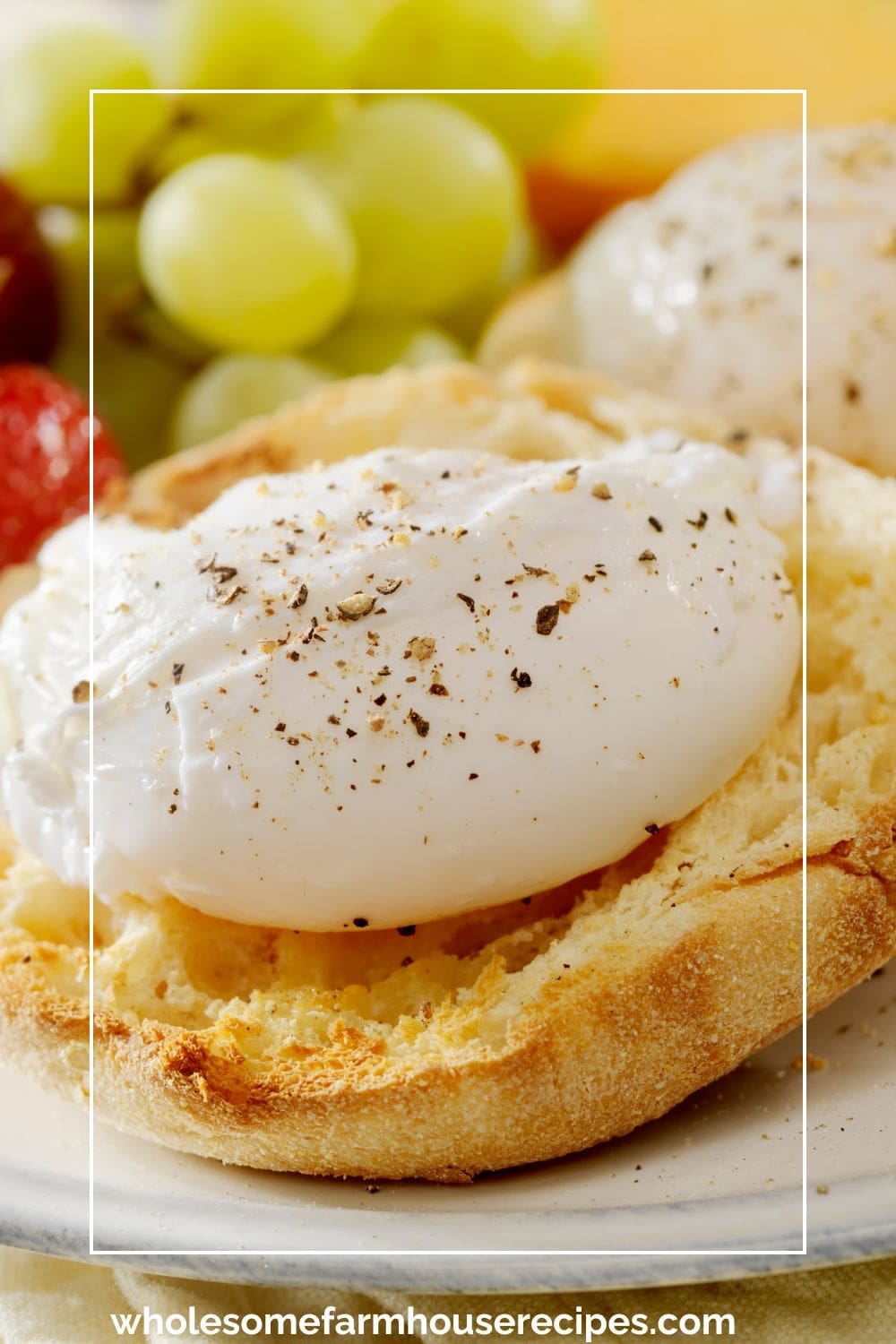
The first time you try poaching eggs, it might feel a little nerve-wracking. But once you get the hang of it, it’s quite easy. The swirl, the simmer, the soft whites coming together, it’s almost therapeutic. And when you cut into that perfectly poached egg and see the runny yolks spill out? Totally worth it.


My family loved this!