
Last updated on March 3rd, 2026 at 09:04 am
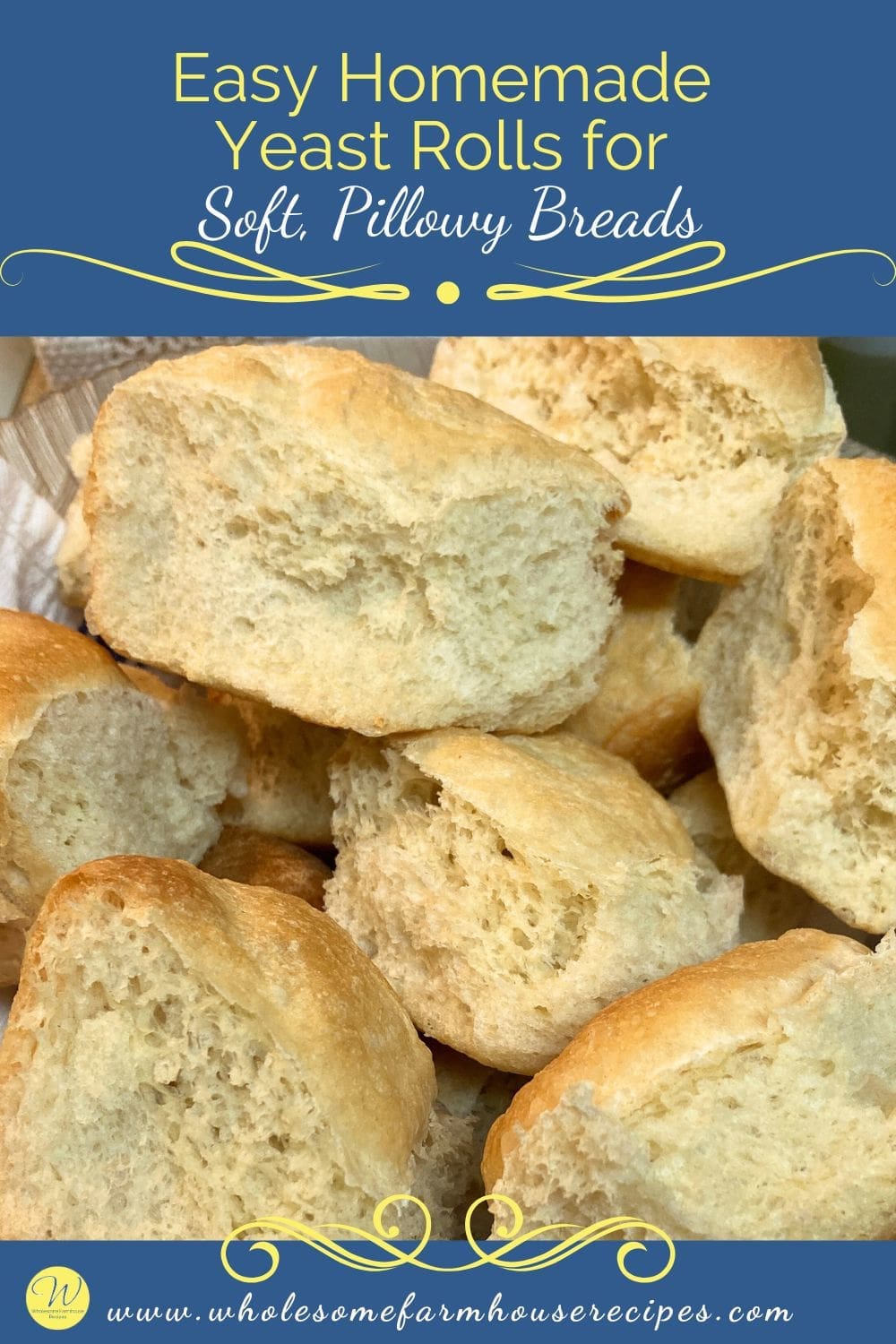
These are the absolute best homemade yeast dinner rolls. Perfectly soft, fluffy, and buttery. These rolls are a huge hit at every family gathering.
Yet they are easy enough for weeknight dinners too. They turn any meal into something extra special, with a golden-brown top, tender soft dough, and that irresistible buttery yeast rolls flavor everyone loves.
If you’ve ever wanted to master homemade yeast rolls that are soft, fluffy, this easy yeast roll recipe is a true recipe you’ll return to repeatedly.
Why This Recipe Works
This easy yeast roll recipe is perfect for yeast bread beginners and experienced bakers alike.
You get buttery yeast rolls that are soft inside.
From first rise to second rise, each piece of dough develops flavor and texture that makes it a good recipe to keep in your collection of yeast recipes.
These are perfect for family traditions, dinner gatherings, or even just a cozy meal at home.
With honey butter or melted butter brushed on top, they are soft, flavorful, and irresistible.

Easy Homemade Yeast Rolls for Soft, Pillowy Breads
As an Amazon Associate I earn from qualifying purchases.
Kitchen Essentials


Ingredients
- 4-5 Cups All-Purpose Flour
- 2 Tablespoons Instant Yeast rapid rise
- 1/3 Cup Granulated Sugar or Honey
- 1 Teaspoon Salt
- 1 ½ Cups Whole Milk warmed to 110°F
- 5 Tablespoons Butter melted
- 1 Large Egg room temperature
- 2 Tablespoons Butter Melted for brushing
- Optional: egg wash for a shiny top just before baking
Instructions
- In a large mixing bowl, combine 3 cups of the flour, yeast, sugar, salt, warm milk, butter, and the egg.4-5 Cups All-Purpose Flour, 2 Tablespoons Instant Yeast, 1/3 Cup Granulated Sugar, 1 Teaspoon Salt, 1 ½ Cups Whole Milk, 5 Tablespoons Butter, 1 Large Egg
- Mix the Dough. Attach the dough hook to a stand mixer and turn the mixer onto the lowest speed. Mix until the flour is incorporated. Making sure to scrape down the sides of the bowl as necessary.
- Then increase the speed to medium and continue to mix for another 2 minutes.
- Add more flour. Add ½ cup flour and continue to blend with the dough hook until well incorporated. Add another ½ cup of flour and mix until incorporated. Then mix for another 2 minutes until a ball of dough is formed.
- You may need to add a few tablespoons if the dough is too sticky. It should be just slightly sticky, yet soft and pull away from the sides of the bowl.
- First Rise. Transfer the dough to a lightly greased bowl and cover with plastic wrap or a clean towel. Let it rest for 30 minutes at room temperature.
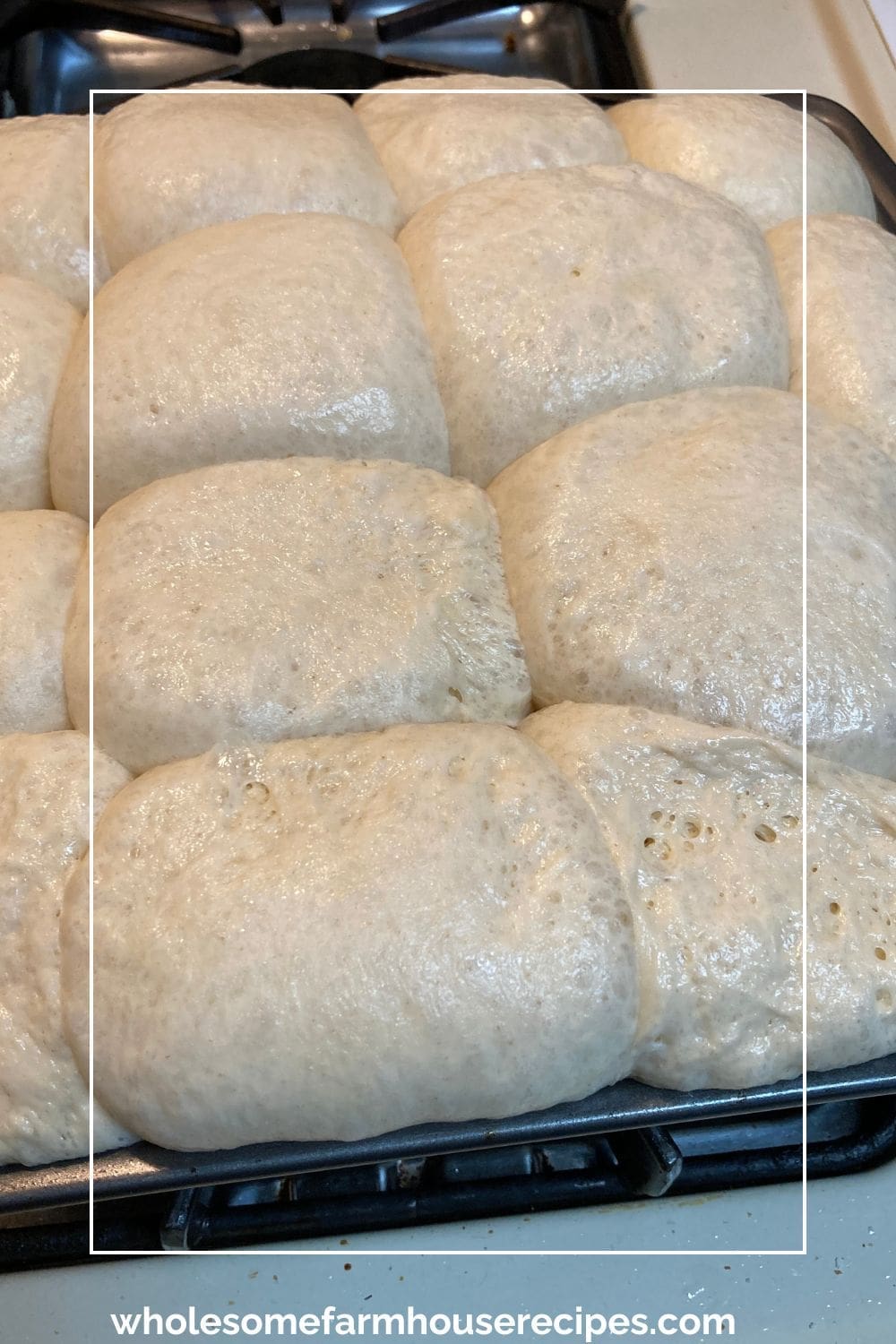
- Shape the Rolls. Punch down the dough and divide dough into 24 dough balls. Arrange them in a prepared pan, baking sheet, or baking dish, leaving space between. Cover again for a second rise in a warm area for 30-45 minutes.
- Baking. Brush rolls with egg wash if desired. Preheat your oven to 375°F and place a rack in the middle (oven rack). Bake for 12-15 minutes or until golden brown and cooked through. When you tap on the rolls, they should sound hollow when done.Optional: egg wash for a shiny top just before baking
- Remove the rolls and while still hot. Brush with melted butter. Serve while still warm.2 Tablespoons Butter
Your Own Private Notes
Notes
Tips for Beginners
If this is your first time making homemade rolls or any yeast bread, don’t worry. These easy yeast rolls are beginner-friendly. A few tips can make your baking experience much smoother.- Warm liquids matter. Make sure your warm milk and warm water are around 105–110°F. Too hot can kill the yeast, too cold slows it down.
- Measure flour carefully. Avoid much flour, which can make rolls dense.
- Kneading helps. Use a stand mixer with a dough hook for convenience, or a floured surface if kneading by hand. The goal is a smooth ball of dough.
- Rising is essential. Give your dough time to rise in a warm area. The first rise should double the dough, and the second rise lets your rolls become fluffy and buttery.
- Always use room temperature eggs and warm milk to help your yeast activate.
- Don’t add much flour at once; the dough should be soft dough, not stiff.
- A stand mixer with a dough hook makes kneading easier, but kneaded dough by hand works too.
- For pull-apart rolls, place dough balls close together in the prepared pan.
- Use parchment paper for easier cleanup.
- Serve warm straight from the oven for maximum softness.
- Leftovers store well in an airtight container or freezer bag for enjoyment of next day.
Troubleshooting Common Issues
Even seasoned bakers encounter small hiccups. Here’s how to fix common yeast bread issues:- Dense rolls. Usually caused by too much flour or short rising time. Ensure the dough doubles during first rise.
- Sticky dough. Add a little flour gradually while kneading. The dough should be soft, not stiff.
- Rolls spreading too much. Shape dough balls properly and place them slightly apart in a prepared pan or baking dish.
- Uneven browning. Check your oven rack placement. Middle works best for golden brown rolls.
Nutrition
Perfect Pairings: What to Spread on Your Rolls
These homemade rolls are delicious on their own, but adding a spread takes them to the next level.
Try brushing with melted butter for classic buttery yeast rolls, or go sweet with honey cinnamon butter, fruit jam, or even a dollop of cream cheese.
Savory fans can enjoy them with garlic butter or herb-infused butter. No matter how you serve them, these rolls are soft, fluffy, and irresistible every time.
Optional Add-Ins
You can also customize your rolls to make them unique:
- Sprinkle poppy seeds, sesame seeds, or coarse sea salt on top before baking.
- Swirl in cinnamon sugar or garlic herb butter for flavored rolls.
- Brush with egg wash for a shiny, golden brown finish.
Serving Suggestions
These rolls are versatile and perfect for any meal:
- Sweet options. Brush with melted butter or honey cinnamon butter, or spread your favorite jam or cream cheese.
- Savory options. Try garlic butter, herb-infused melted butter, or a sprinkle of sea salt.
- Perfect alongside soups, stews, roasted meats, or as part of a family tradition holiday meal.
Make-Ahead Yeast Roll Options
Planning ahead? These homemade dinner rolls are perfect for next day meals or holiday prep.
- Refrigerate overnight. After shaping the dough balls, cover in plastic wrap and refrigerate. Let them come to room temperature before baking.
- Freeze for later. Freeze either unbaked dough balls or fully baked rolls in an airtight container or freezer.
Freezing Before Baking
- Prepare the dough balls and place them on a parchment paper-lined baking sheet.
- Freeze the dough balls until solid (about 1-2 hours).
- Transfer the frozen rolls to a freezer bag or airtight container. Label with the date.
- When ready to bake, let the rolls thaw in a warm environment until fully soft dough and slightly puffy (about 2-3 hours). Then brush with egg wash or melted butter and bake as usual.
Freezing After Baking
- Bake the rolls completely and let them cool to room temperature.
- Wrap them tightly in plastic wrap or foil, then place in a freezer bag or airtight container.
- To reheat, thaw at room temperature or warm in the oven at 300°F for 10-15 minutes until soft and golden brown on top.
💡 Tip: Brushing frozen-thawed rolls with a little melted butter after reheating makes them taste freshly baked—just like the first time!
Reheating Dinner Rolls
Reheating yeast rolls is easy, and doing it the right way keeps them soft, fluffy, and delicious. Just like when they were first baked. Here are the best methods.
Oven Method (Best for Freshly Baked or Frozen Rolls)
- Preheat your oven to 300°F.
- Place the rolls on a baking sheet or in a baking dish. For extra moisture, you can lightly cover them with foil.
- Heat for about 10-15 minutes until warmed through.
- Optional: Brush the tops with melted butter for buttery yeast rolls.
Microwave Method (Quickest)
- Place 1-3 rolls on a microwave-safe plate.
- Cover with a clean kitchen towel to trap steam.
- Microwave on medium power for 20-30 seconds per roll.
- Check and add a few more seconds if needed. Avoid overheating, or rolls can become chewy.
Tips for Perfect Reheating
- If your rolls were frozen, let them thaw in a warm area first, about 1-2 hours.
- Use melted butter or honey butter after reheating to restore that freshly baked flavor.
- For pull-apart rolls, reheat them together so they stay soft on the sides.

How to Store Your Homemade Yeast Rolls
To keep your soft dough rolls fresh, let them cool completely before storing.
For short-term storage, place them in an airtight container or plastic wrap at room temperature for up to 2 days.
For longer storage, freeze the rolls in a freezer bag after either baking or shaping the dough balls. When you’re ready to enjoy, thaw in a warm area and reheat in the oven for that freshly baked taste.
This helps make sure that your homemade dinner rolls stay soft, fluffy, and buttery whether you’re enjoying them next day or later.
There you have it. A wonderful, easy recipe for homemade rolls that’s perfect for family traditions, special occasions, or daily meals. Good luck baking your soft dough homemade bread rolls. They’re sure to impress.


My family loved this!