
A Beginners Guide to Using Butter in Baking. It’s a staple in farmhouse kitchens for good reason. It adds rich flavor, tender texture, and that homemade taste we all love in baked goods. But butter isn’t just about flavor. How and when you use it can completely change the outcome of your recipe.
From flaky biscuits to soft cakes and chewy cookies, the temperature and type of butter you choose plays a major role in how your baking turns out.
If you’ve ever wondered why one recipe calls for cold butter and another insists on room temperature, you’re not alone. Let’s walk through exactly how butter works in baking and how to use it for the best results.
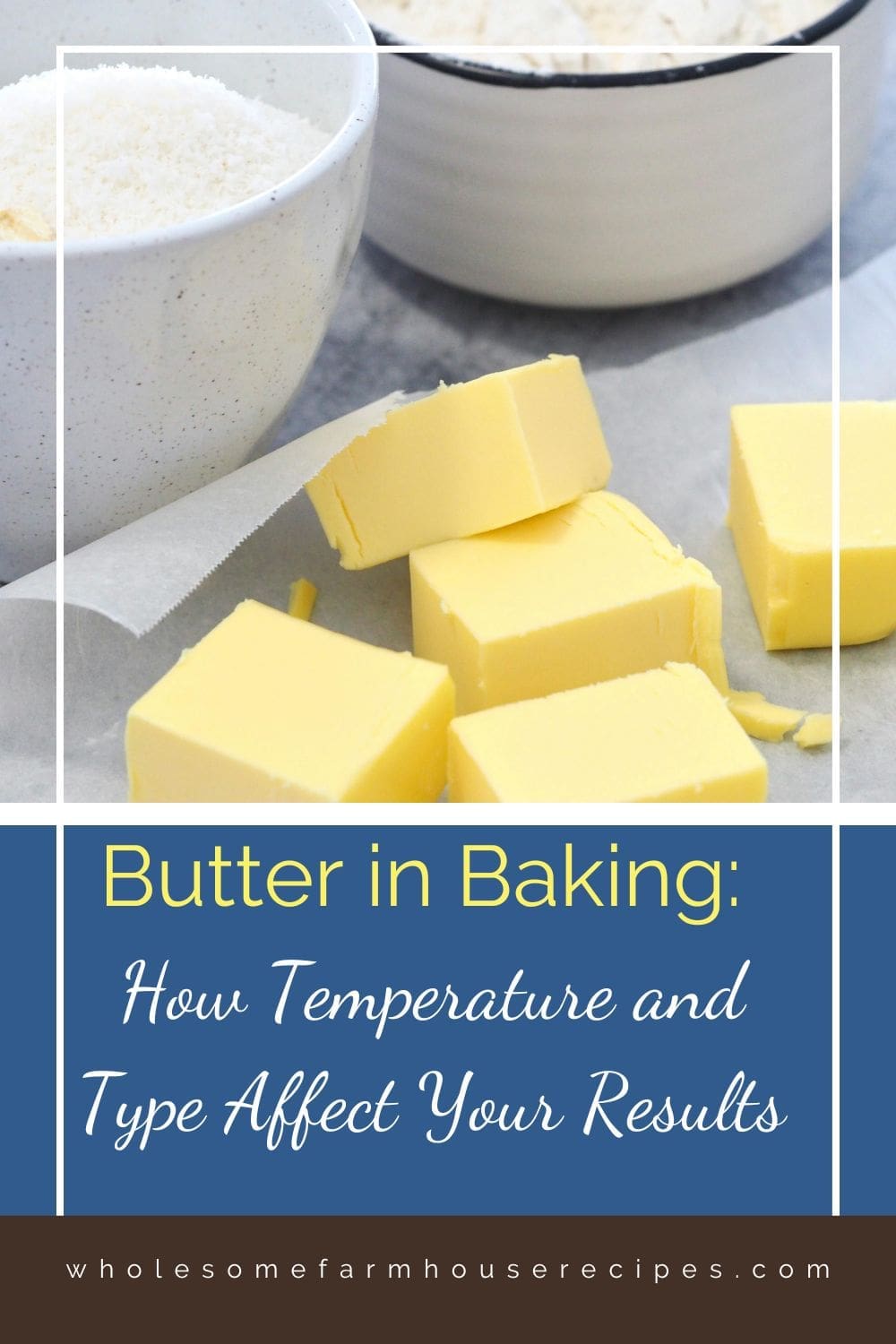
What Is Butter?
Butter is a dairy product made by churning cream until it separates into solid fat and liquid buttermilk. It’s composed mostly of fat, with some water and milk solids, and it’s one of the most important ingredients in baking.
Why? Because butter affects flavor, texture, moisture, structure, and browning — all at the same time.
Even though it seems simple, knowing a few basics about butter can make a big difference in your baking results.
Salted vs. Unsalted Butter
- Unsalted butter. Preferred in most baking recipes because it gives you control over how much salt is in the recipe. Salt content varies by brand, so using unsalted ensures consistent results.
- Salted butter. Contains added salt. It can be used in a pinch, but you may want to reduce or omit extra salt called for in the recipe. It’s better for spreading on bread or finishing savory dishes than for precise baking.
Butter vs. Margarine or Shortening
While butter, margarine, and shortening can sometimes be used interchangeably, they behave differently:
| Ingredient | Flavor | Texture | Best Use |
| Butter | Rich, creamy, slightly sweet | Adds tenderness, flakiness, and chew | Cookies, cakes, pastries, biscuits |
| Margarine | Varies, sometimes bland | Often contains more water | Everyday cookies or spreads, not ideal for delicate pastries |
| Shortening | Neutral flavor | Creates structure and height, no flavor | Pie crusts or recipes needing lift without flavor |
For most baking, butter is the best choice. It gives the best flavor, moisture, structure, and browning that margarine or shortening can’t match.
Why Use Butter in Baking?
Butter is more than just fat; it’s a flavor and texture powerhouse:
- Adds rich, creamy flavor
- Contributes moisture and tenderness
- Traps air during creaming for structure and lift
- Encourages browning and creates golden crusts
- Acts as a flavor carrier for spices, chocolate, or extracts
Even small differences in butter temperature or type can change a recipe from good to extraordinary. Understanding these basics helps you follow recipes accurately and even experiment with confidence.
Quick Butter Temperature Guide (At-a-Glance)
🧈 Cold Butter — For Flaky Layers
Best for:
- Biscuits
- Pie crust
- Scones
- Pastry dough
Cold butter stays solid until it reaches oven heat. As it melts, it releases steam that creates pockets in the dough. Those pockets turn into flaky layers, giving pastries and biscuits their light, tender texture.
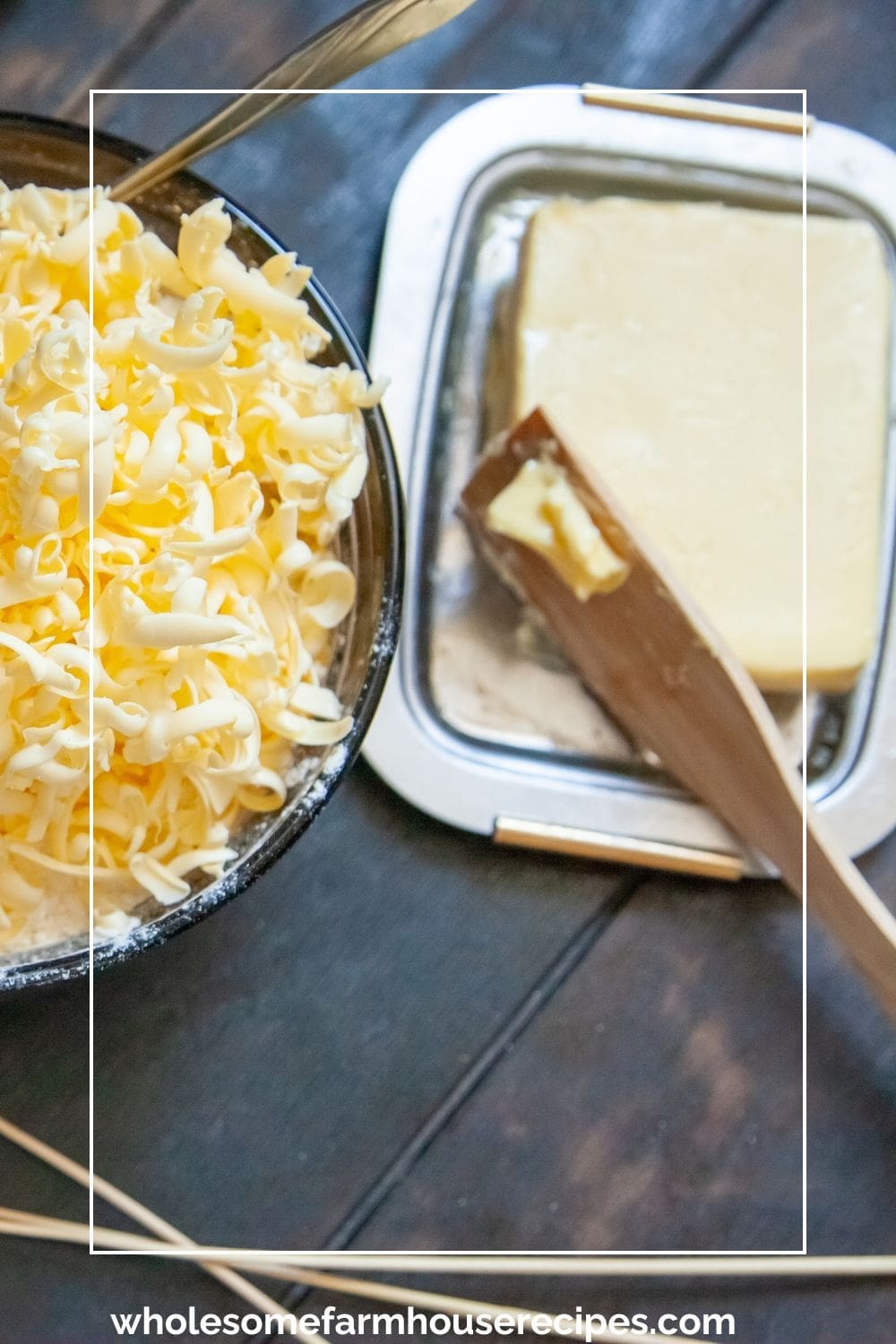
Helpful tip. If butter is too hard to cut into flour, grate it using a box grater and gently mix it into the dough. This keeps the butter cold and evenly distributed.
🧈 Softened Butter — For Light and Fluffy Baking
Best for:
- Cakes
- Cookies
- Frostings
- Quick breads
Softened, or room-temperature, butter should feel cool but easy to press with your finger. This texture allows butter to cream with sugar, trapping air that helps baked goods rise and stay tender.
This step is especially important for cakes, where structure and lift depend on properly creamed butter and sugar.
🧈 Melted Butter — For Dense and Chewy Texture
Best for:
- Brownies
- Blondies
- Chewy cookies
- Dessert bars
Melted butter cannot trap air, so it creates denser baked goods with rich, moist texture. That’s perfect for brownies and chewy cookies.
🧈 Brown Butter — For Deep, Nutty Flavor
Best for:
- Cookies
- Banana bread
- Muffins
- Simple desserts where flavor stands out
Brown butter is made by gently cooking butter until the milk solids toast and turn golden. This adds a warm, nutty flavor that enhances baked goods and makes simple recipes taste extra special.
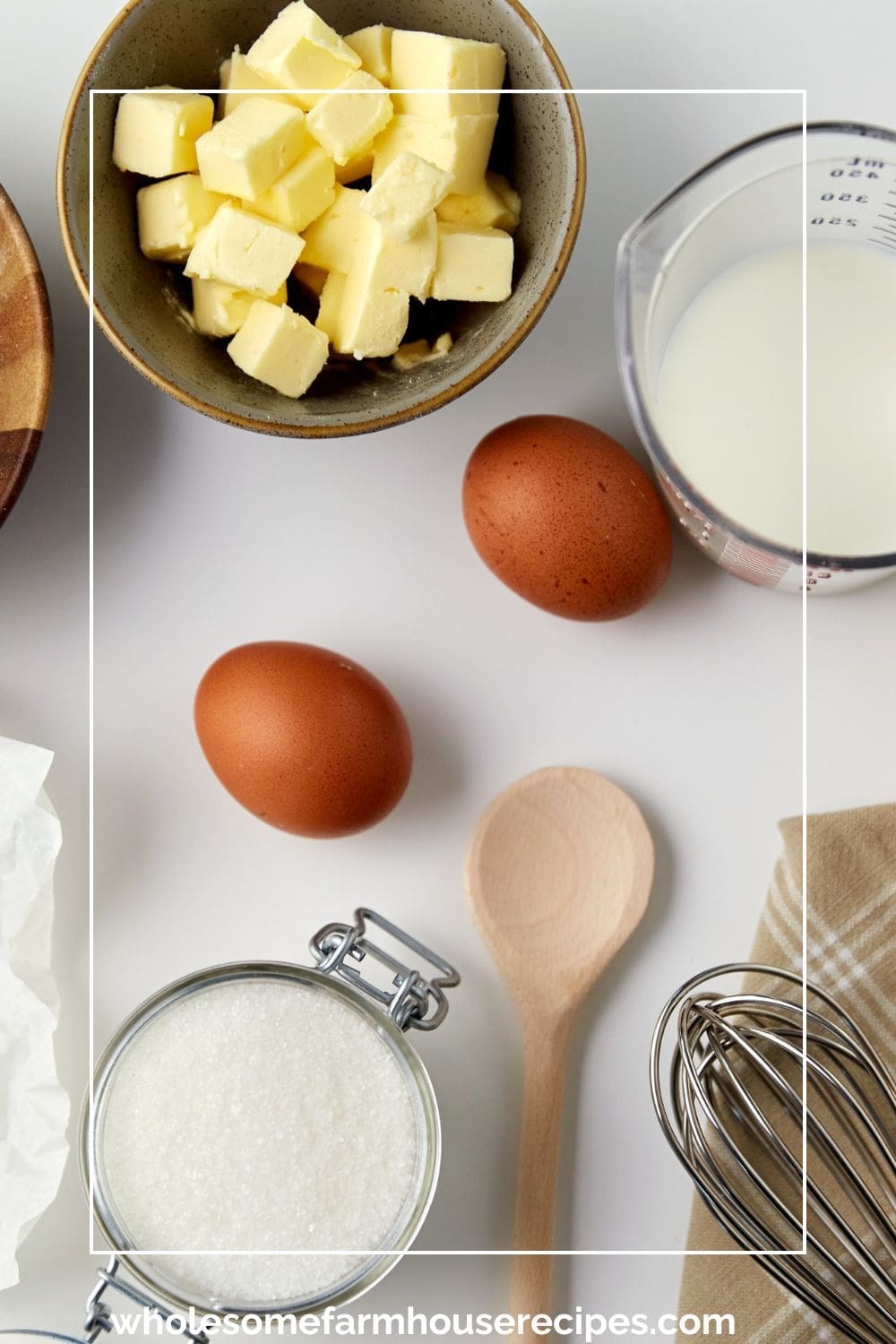
Butter 101: Same Ingredient, Different Temperatures
It’s easy to think of butter as just butter. But, in baking, temperature completely changes how it behaves in your dough or batter. Cold, softened, melted, and browned butter all interact differently with flour, sugar, and eggs, which is why recipes are so specific about how butter should be used.
Understanding these differences helps you follow recipes more accurately and even adjust them when you want a different texture.
Cold Butter: The Key to Flaky Layers
Cold butter is essential for flaky baked goods like biscuits, pie crusts, and scones. When cold pieces of butter are mixed into flour, they stay solid until they reach oven heat. As the butter melts, the water inside it turns to steam, creating pockets of air in the dough. These pockets expand and form the flaky layers we love in pastries.
The size of the butter pieces also matters. Larger pieces create bigger flakes, while smaller pieces create finer, more delicate layers. That’s why some recipes call for “pea-sized” pieces of butter. It helps control how flaky the final texture will be.
To keep butter cold:
- Use cold ingredients and cold tools when possible.
- Work quickly so your hands don’t warm the dough.
- Chill the dough before baking if it starts to feel soft.
If butter melts too early, it blends into the flour instead of forming steam pockets, and you’ll end up with a denser, more bread-like texture instead of light, flaky layers.
Softened Butter: Building Structure and Lift
Softened, or room-temperature, butter is used when recipes rely on the creaming method, where butter and sugar are beaten together. During this process, sugar crystals cut into the butter and create tiny airpockets. These pockets expand in the oven, helping baked goods rise and creating a lighter texture.
This is why softened butter is so important for:
- Cakes
- Soft cookies
- Cupcakes
- Frostings
Butter that is too cold won’t cream properly and won’t trap enough air. Butter that is too warm or greasy can’t hold air at all. The goal is butter that is soft enough to blend easily but still firm enough to hold shape.
Properly creamed butter should look pale and fluffy, not shiny or runny. This step may seem small, but it plays a big role in how tender and well-risen your baked goods turn out.
Melted Butter: Creating Dense and Chewy Texture
When butter is melted, it can no longer trap air. Instead of building structure, melted butter simply coats the flour and sugar, creating a richer, denser dough or batter. This is exactly what you want for recipes like brownies, blondies, and chewy cookies.
Melted butter also allows sugar to dissolve more easily, which contributes to:
- Chewier texture
- Slightly crisp edges in cookies
- Denser crumb in bars and brownies
Because melted butter makes dough softer and looser, chilling becomes more important, especially for cookies. Resting the dough allows fats to firm up again and gives flour time to absorb moisture, helping cookies bake thicker and more evenly.
Did You Know?
If melted butter is used in cookies, chilling the dough for several hours helps prevent excessive spreading and improves texture. Why?
When butter is melted, the fat is fully liquid and the sugar dissolves more quickly into the dough. This creates a loose dough structure. If that dough goes straight into the oven, the butter melts even faster, causing the cookies to spread out before the proteins and starches have time to set. That’s when you get thin, flat cookies.
Chilling the dough gives the fats time to firm back up and allows the flour to fully hydrate. This helps the dough hold its shape longer in the oven, so the cookies spread more slowly, bake more evenly, and develop a better chewy texture instead of turning flat and greasy.
As a bonus, resting the dough also improves flavor, since the ingredients have more time to blend together.
Brown Butter: Flavor Through Toasted Milk Solids
Brown butter is simply butter that has been gently cooked until the milk solids toast and turn golden brown. While the fat remains the same, the flavor changes dramatically, becoming nutty, rich, and slightly caramel-like.
When using brown butter in baking:
- Let it cool slightly before adding to dough or batter.
- Remember that some moisture is lost during browning, which can slightly change texture.
- Brown butter pairs especially well with vanilla, chocolate, oats, and warm spices.
Brown butter doesn’t change structure as much as it changes flavor, but it can deepen the overall richness of baked goods and make simple recipes taste more complex and homemade.
Why Temperature Matters So Much
Butter is a mixture of fat, water, and milk solids. How those components behave depends on temperature:
- When cold, water turns to steam and creates lift.
- When softened, fat traps air during creaming.
- When melted, fat coats flour and creates density.
- When browned, milk solids add toasted flavor.
Same ingredient, yet it does a completely different job in the recipe.
That’s why swapping butter temperatures without adjusting the recipe can lead to very different (and sometimes disappointing) results. Following the temperature instructions isn’t just about being picky. It’s about getting the texture the recipe was designed to produce.
Why Butter Matters So Much in Baking
Butter does more than make recipes taste good. It plays several important roles at the same time:
- Flavor. Butter adds rich, creamy taste from natural milk solids.
- Moisture and tenderness. Fat keeps baked goods soft and prevents dryness.
- Structure and lift. When creamed with sugar, butter traps air that helps baked goods rise.
- Texture and mouthfeel. Butter gives baked goods a smooth, rich bite.
- Browning and flavor development. Butter helps create golden crusts and deeper flavor during baking.
- Emulsification. Butter helps blend ingredients smoothly in batters, frostings, and sauces.
- Flavor carrier. Butter spreads spices, vanilla, and other flavors evenly throughout recipes.
Because butter affects both structure and flavor, the temperature you use it at truly matters.
What Is the Best Butter for Baking?
For most baking recipes, unsalted butter is the best choice. It allows you to control the amount of salt in your recipe and provides consistent results.
If you only have salted butter, you can still use it. Just reduce the added salt in the recipe by about ¼ teaspoon per stick of butter.
Other types you may see:
- European-style butter. Higher fat content, richer flavor, excellent for pastries and shortbread.
- Cultured butter. Slight tang, wonderful in simple baked goods where butter flavor shines.
For everyday farmhouse baking, regular unsalted grocery-store butter works beautifully.
What Is the Best Butter for Cooking?
For stovetop cooking and higher-heat methods, clarified butter is often preferred.
Clarified butter:
- Has a higher smoke point
- Keeps rich butter flavor
- Stores longer than regular butter
Because the milk solids and water are removed, clarified butter is less likely to burn and works well for sautéing, frying, and making sauces.
Butter vs. Shortening or Margarine in Baking
While butter, shortening, and margarine can sometimes be substituted for one another, they behave differently in recipes.
- Butter. Best flavor, good moisture, slightly lower melting point.
- Shortening. Creates structure and height but lacks flavor.
- Margarine. Varies widely and often contains more water, which can affect texture.
Butter generally produces the best overall flavor and texture in farmhouse-style baking.
How to Soften Butter Quickly
If you forgot to take butter out of the fridge:
- Cut into small cubes and let sit for 10–15 minutes.
- Cover with a warm glass to gently soften.
- Microwave on very low power in short bursts, checking often.
Butter should be soft but not melted or greasy.
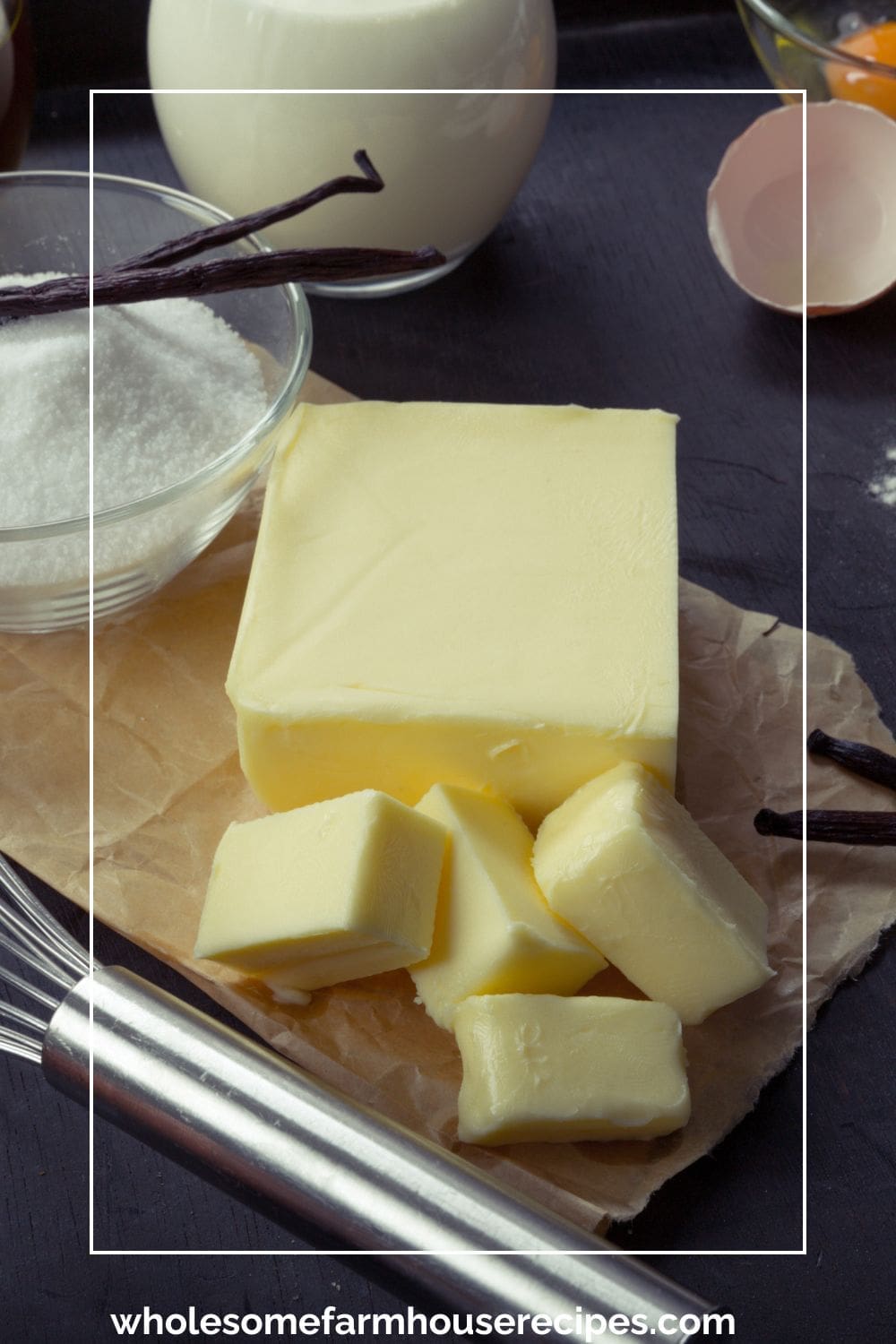
Tips for Baking Cakes with Butter
- Always use room-temperature butter unless the recipe states otherwise.
- Cream butter and sugar until pale and fluffy to build structure.
- Scrape the bowl often so everything mixes evenly.
These steps help create light, tender cakes with good rise.
Tips for Baking Cookies with Butter
- Softened butter = thicker, softer cookies
- Melted butter = chewier cookies
- Chilling dough improves texture and flavor
- Brown butter adds depth and richness
Small changes in butter temperature can make a big difference in cookie texture.
Best Butter for Pastries and Pie Crust
For pastry, cold butter is essential.
- Keep butter cold
- Work quickly
- Chill dough before baking
These steps keep butter from melting too early and help create flaky layers.
Common Butter Mistakes (and How to Fix Them)
Even experienced bakers sometimes run into trouble with butter. These common mistakes can change texture, flavor, or appearance and most are easy to fix once you know the reason behind them.
1. Using the Wrong Butter Temperature
The problem. You skip the butter temperature the recipe calls for. Cold butter where softened is needed, or melted butter where cold is specified.
Why it matters. Butter’s temperature controls texture. Cold butter creates flaky layers, softened butter traps air for lift, and melted butter makes baked goods dense and chewy.
Fix it. Always check the recipe. If it says “cold,” keep it cold until the last moment. If it says “softened,” let it sit at room temperature for about 30–60 minutes, depending on kitchen temperature. Use your finger or a spoon. Soft enough to press but still holds its shape.
2. Not Chilling Dough When Needed
The problem. Dough with melted butter or high sugar content goes straight into the oven.
Why it matters. Melted butter makes dough looser, causing cookies to spread too much and lose shape. Sugar melts quickly and can also increase spreading.
Fix it. Chill dough for at least 8 hours (or overnight). Cold dough firms the fats and hydrates the flour, giving cookies better structure, texture, and flavor.
3. Over-Mixing Softened Butter
The problem. Beating softened butter for too long, or at too high speed.
Why it matters. Over-mixing can break down the butter’s structure and melt it slightly, which prevents it from trapping air properly. This leads to flat, dense cakes or cookies.
Fix it. Beat just until light and fluffy for cakes and gently combine for cookies. Scrape the sides and bottom of the bowl frequently for even mixing.
4. Using Butter That’s Too Old or Improperly Stored
The problem. Butter that has been sitting out too long or stored improperly can absorb odors or develop off flavors.
Why it matters. Butter is a fat that carries flavor. If it tastes off, it will affect your baked goods.
Fix it. Store butter tightly wrapped in the fridge. For longer storage, freeze extra sticks. Use frozen butter directly for recipes that call for cold butter. It grates or cubes easily.
5. Substituting Butter Without Adjusting
The problem. Replacing butter with oil, margarine, or shortening without understanding how it behaves.
Why it matters. Butter provides flavor, moisture, and structure. Shortening may give height but lacks flavor; oil adds moisture but not structure; margarine varies widely.
Fix it. When substituting, adjust for flavor, moisture, and texture. For example:
- Shortening = structure, less flavor
- Oil = moist, dense
- Plant-based butter sticks = closest to real butter in baking
6. Not Accounting for Salted vs. Unsalted Butter
The problem. Using salted butter in a recipe designed for unsalted.
Why it matters. Salted butter can add more sodium than expected, affecting flavor balance.
Fix it. Reduce added salt in the recipe slightly, usually about ¼ teaspoon per stick of salted butter.
7. Forgetting Butter Type for Special Recipes
The problem. Using regular grocery butter for delicate pastries, laminated dough, or European-style shortbread.
Why it matters. Higher-fat European-style or cultured butter contains less water and more fat, producing flakier, richer results.
Fix it. For baking everyday, regular butter is fine. For premium pastries or shortbread, consider using European-style butter to improve flavor and texture.
8. Not Letting Browned Butter Cool
The problem. Adding hot browned butter directly into eggs or sugar.
Why it matters. Hot butter can cook eggs or melt sugar, which changes batter structure and can ruin the texture.
Fix it. Let browned butter cool slightly (to warm, not hot) before mixing into your dough or batter.
Quick Takeaway:
Many butter-related baking mishaps come down to temperature, timing, and technique. Once you understand what butter does in your recipe and why, you can troubleshoot quickly and consistently get the results you want.
Can You Use Homemade Butter for Baking?
Yes, homemade butter can be substituted for store-bought butter in most recipes. Keep in mind that moisture content may vary slightly, which can affect delicate pastries, but for cookies, cakes, and quick breads, homemade butter usually works very well and adds wonderful flavor.
Is salted or unsalted butter better for baking?
Unsalted butter is preferred because it gives you full control over the salt level in your recipe. If using salted butter, reduce added salt slightly.
Can I replace butter with oil in baking?
In some recipes, yes. Especially in cakes and quick breads. However, oil does not provide the same flavor or structure as butter, so cookies and pastries usually turn out best with butter.
Why do recipes insist on room-temperature butter?
Room-temperature butter can cream with sugar and trap air, which helps baked goods rise and creates a lighter texture. Melted or cold butter cannot do this.
Why did my cookies spread too much?
Cookies often spread when butter is too warm or when dough isn’t chilled. Chilling helps firm the fat and improves structure before baking.
Does butter quality really matter?
For everyday baking, standard grocery-store butter works fine. Higher-fat European-style butter can add extra richness in pastries and simple recipes where butter flavor stands out.
Can butter be frozen for baking?
Yes, butter freezes very well for several months when tightly wrapped. Frozen butter is also great for grating into biscuit and pie crust dough.
Can plant-based butter be used for baking?
Many plant-based baking sticks work well, especially for cookies and cakes. Avoid spreadable tubs, which contain more water and can affect texture.
Using Butter in Baking Is Amazing
Butter may be simple, but it plays a powerful role in baking. Understanding when to use cold, softened, melted, or browned butter gives you much more control over your results.
With just a little attention to temperature and type, you can turn everyday ingredients into bakery-quality treats right from your own kitchen.
In a our kitchen, that kind of know-how goes a long way in helping us bake with confidence and serve up something homemade and delicious every time.


