
Learn how to make whole wheat sourdough bread that is actually soft and moist. Plenty of bakers skip using entirely whole wheat flour, concerned it won’t produce a light, moist crumb. But with the right method, you can create bread that is every bit as tender as those made with white flour. Only heartier and more satisfying.
Growing up, the whole wheat bread in our house was always dry and crumbly, while my classmates enjoyed soft, fluffy white bread sandwiches. If only my mom had this recipe back then, our lunches would have been so much different.
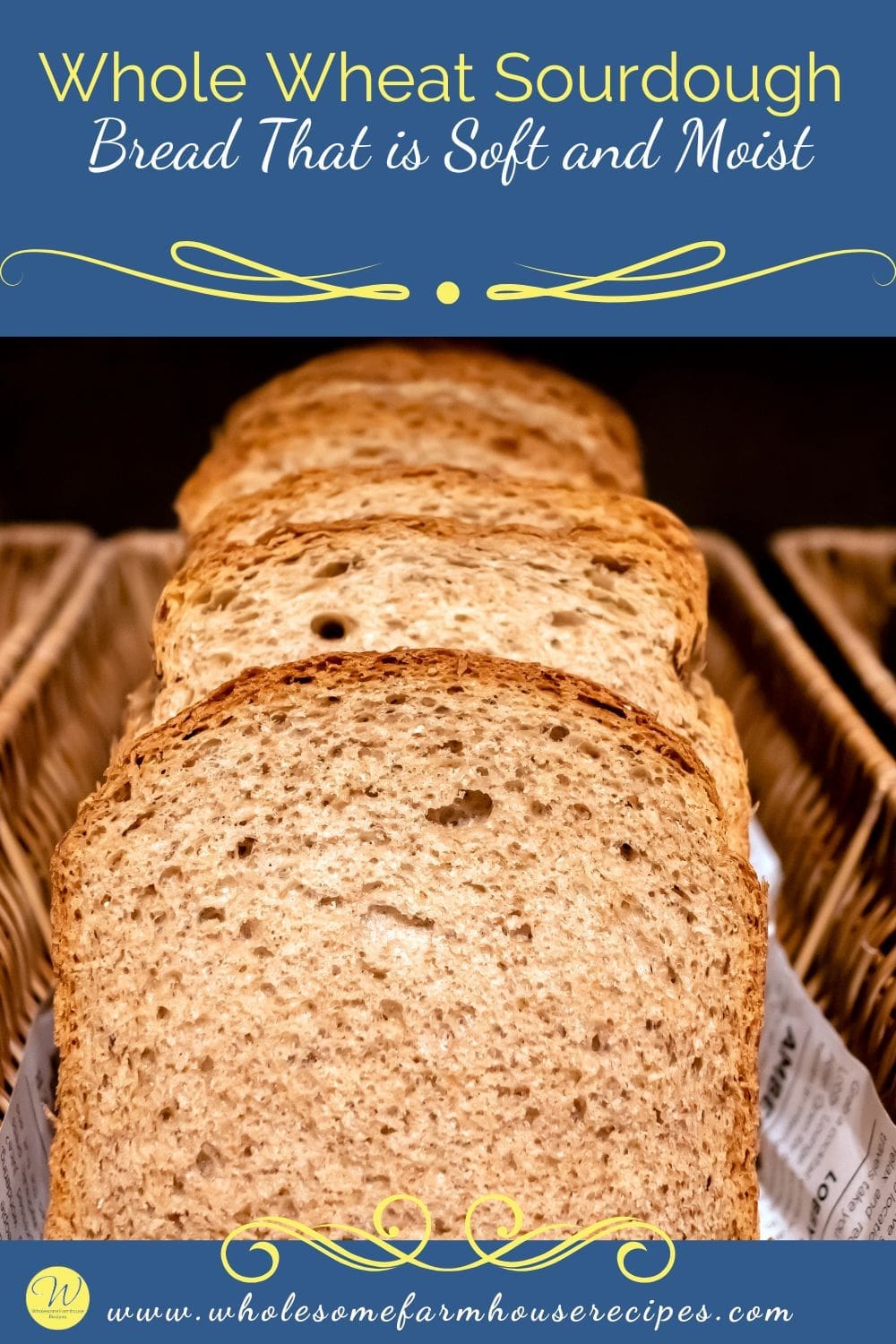
Soft and Springy Crumb
This bread recipe is a wonderful starting point if you’ve been wanting to explore baking with more whole grain flour. By giving the dough rest periods, keeping the bread dough at room temperature in a warm spot, and developing strength with sets of stretch and folds, you’ll build structure without sacrificing moisture. The result? A loaf with a soft, springy crumb, a rich nutty flavor, and that classic sourdough tang.
And because whole wheat has a higher protein content, you’ll get plenty of structure and chew, along with the nutrition of wheat berries baked right into your bread.
Whether you bake it in a hot Dutch oven or opt for a loaf pan lined with a piece of parchment paper, you’ll find this recipe flexible and reliable. For the home baker who wants to move beyond lighter loaves and embrace a true whole wheat sourdough recipe, this bread makes a great recipe to enjoy today.

Whole Wheat Sourdough Bread That is Soft and Moist
As an Amazon Associate I earn from qualifying purchases.
Kitchen Essentials

Ingredients
- 227 grams Active Sourdough Starter 1 Cup
- 255 grams Water lukewarm, 1 Cup plus 2 tablespoons
- 340 grams Whole Wheat Flour 3 Cups
- 6 grams Table salt 1 Teaspoon
- 1 Teaspoon Instant Yeast
- 25 grams Vegetable Oil 2 Tablespoons
Instructions
- Mix the dough. In a large bowl, combine the active sourdough starter, lukewarm water, whole wheat flour, salt, instant yeast, and vegetable oil. Using a dough whisk or wooden spoon, mix until a sticky dough forms and all the flour is hydrated.227 grams Active Sourdough Starter, 255 grams Water, 340 grams Whole Wheat Flour, 6 grams Table salt, 1 Teaspoon Instant Yeast, 25 grams Vegetable Oil
- Knead and rest. Cover the bowl with a clean towel or plastic wrap and let the dough rest for 20 minutes. Then transfer the dough to a lightly floured work surface and knead for about 8–10 minutes, or until the dough becomes smoother and elastic. (You can also knead with the dough hook attachment of a stand mixer on medium-low speed for 6–7 minutes.)
- Place the dough into a lightly greased bowl, cover with plastic wrap or a tea towel, and let it rest for 1 to 1 ½ hours in a warm spot. Until it is almost doubled, this is the first rise.
- Shape the dough. After the rise, turn the dough out onto a lightly floured surface. Gently fold the dough over a few times on a lightly floured work surface. Then shape it into a round loaf or log, depending on whether you’re using a Dutch oven or a 9″ x 5″ loaf pan that have been lightly greased.
- Second rise. Cover again and let the dough rise for another 1 hour. Let it rise until it’s crowned 1″ over the rim of the pan. The dough should look puffy and feel airy when gently pressed on the top of the dough.
- Preheat the oven. Toward the end of the rise, preheat your oven to 350°F. If baking in a Dutch oven, place it inside the oven while preheating so it’s nice and hot.
- Score and bake. Once the dough is ready, use a sharp knife or razor blade to make a long slash across the top of the dough. This helps with oven spring and gives your bread that classic artisan look. Bake for 40 to 45 minutes, or until the loaf is golden brown and a digital thermometer inserted into the center registers an internal temperature of 205°F.
- Cool before slicing. Remove the bread from the oven, let it sit in the pan for 5 minutes. Then transfer the baked loaf to a wire rack and allow it to cool completely before slicing. Cooling helps the crumb set and keeps your slices neat.
Your Own Private Notes
Notes
Tips for Best Results
- Weigh your flour; or measure it by gently spooning it into a cup, then sweeping off any excess.
- Line the pan with a piece of parchment paper for easy removal.
- Ensure your active sourdough starter is bubbly and fed 4–12 hours before use.
- For cooler kitchens, create a warm spot by briefly turning the oven on to its lowest setting, then turning it off before placing the dough inside.
- Check the internal temperature with a digital thermometer; aim for 205–210°F to ensure the loaf is fully baked.
- A hot Dutch oven gives a beautiful crust and great oven spring, but a loaf pan works for a softer crust.
- Don’t skip the dough rest and gentle stretch-and-fold periods. They strengthen whole wheat dough for a lighter, softer loaf.
- Whole wheat loaves brown more quickly. If the crust is getting too dark, loosely cover the top with foil during the last 10 minutes of baking.
Tips for Bread Machine Users
- Hydration matters. Whole wheat flour absorbs more water than white flour, so you may need to add an extra tablespoon or two of lukewarm water if the dough feels too stiff. The goal is a slightly sticky but manageable dough.
- Shorter first rise. Because the bread machine does a full dough cycle, your dough may rise more quickly than by hand. Keep an eye on it to avoid over-proofing.
- Gentle shaping. After the dough cycle, gently shape it into a round loaf or log. Avoid pressing out all the air. This helps maintain a soft, airy crumb.
- Second rise in pan. Let the shaped dough rise in a loaf pan or Dutch oven until it’s about 1” above the rim of the pan. This ensures good oven spring and a fluffy texture.
Nutrition
Ingredient Notes
- Whole wheat flour: Stone-milled or freshly milled flour gives extra depth and flavor.
- Vegetable oil: Keeps the loaf soft and extends shelf life; olive oil or coconut oil are great variations.
- Instant yeast: Ensures a reliable rise, especially if it’s your first time baking with sourdough or if your starter is young.

Storage and Freezing Tips
- Short-term storage. Allow the loaf to cool completely, then store in a plastic bag or wrapped in a tea towel at room temperature for 2–3 days.
- Long-term storage. Slice the bread and freeze in an airtight container or freezer bag for up to 3 months. Toast slices directly from frozen, or let them thaw at room temperature.
Serving Suggestions
- Make hearty sandwiches with your favorite fillings.
- Use slices for French toast, avocado toast, or eggs Benedict.
- Pair with soups or stews. Whole wheat bread holds up beautifully.
- Toast and spread with olive oil, nut butter, or jam for a simple snack.
Optional Variations
- Add wheat berries or seeds for texture and nutrition.
- Mix in herbs, garlic, or sun-dried tomatoes for a savory twist.
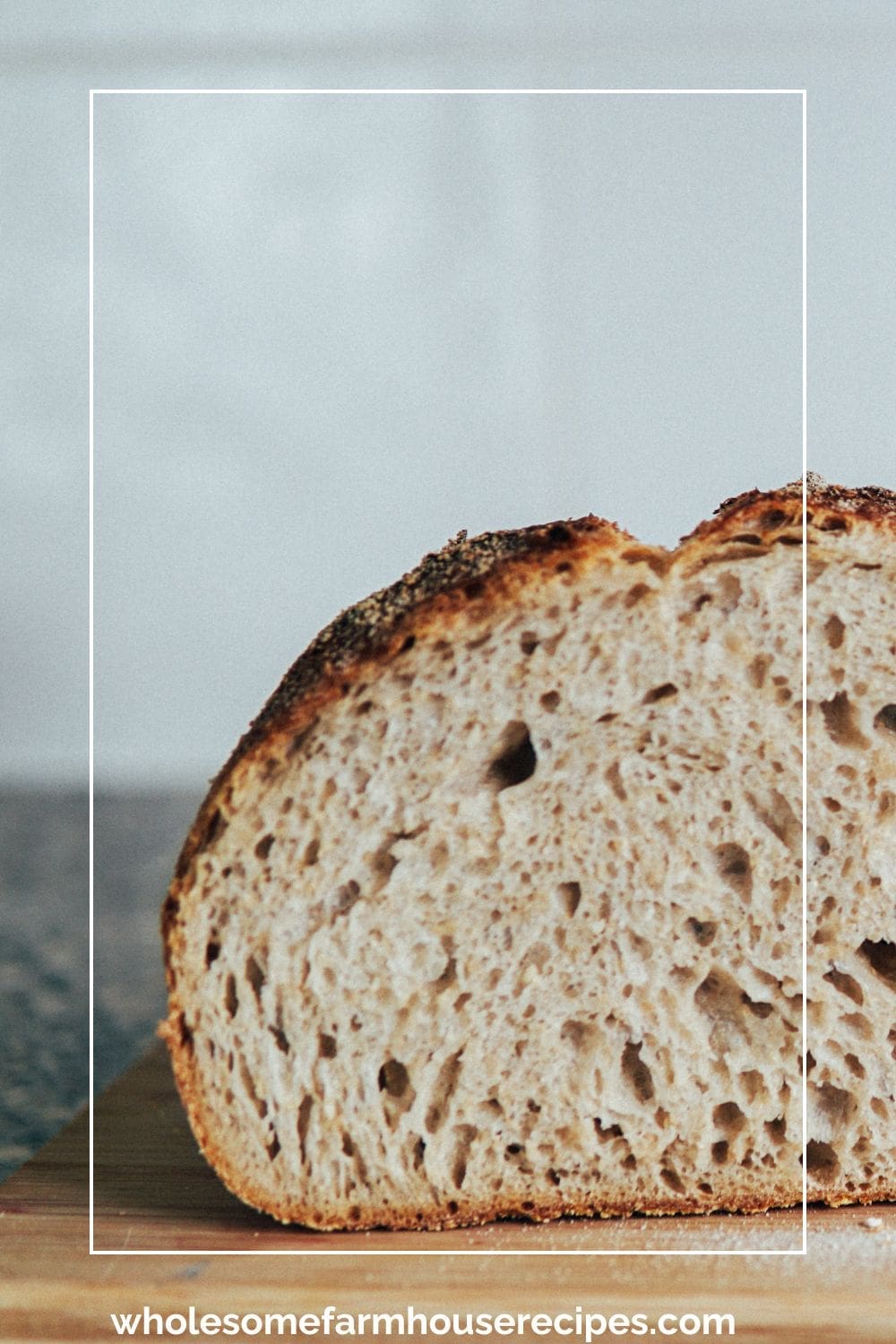
Whole Wheat Sourdough Bread Recipe
Baking your own loaf of bread is such a rewarding experience, and with this recipe, even first-time bakers can enjoy a loaf that’s soft, moist, and full of wholesome flavor. Whether you slice it for sandwiches, toast it for breakfast, or share it fresh from the oven with family and friends, this bread is sure to become a favorite way to enjoy the taste and nutrition of whole grains.


This worked exactly as written, thanks!