
Sometimes you just want soft sourdough sandwich bread. While crusty artisan sourdough loaves are wonderful for soups and rustic meals. The soft loaf you can pile high with turkey, smear with peanut butter, or turn into French toast the next morning.
There’s nothing quite like the smell of homemade bread baking in the kitchen. It’s warm, comforting, and makes you want to grab a slice before it even hits the cooling rack.
Everyday Bread
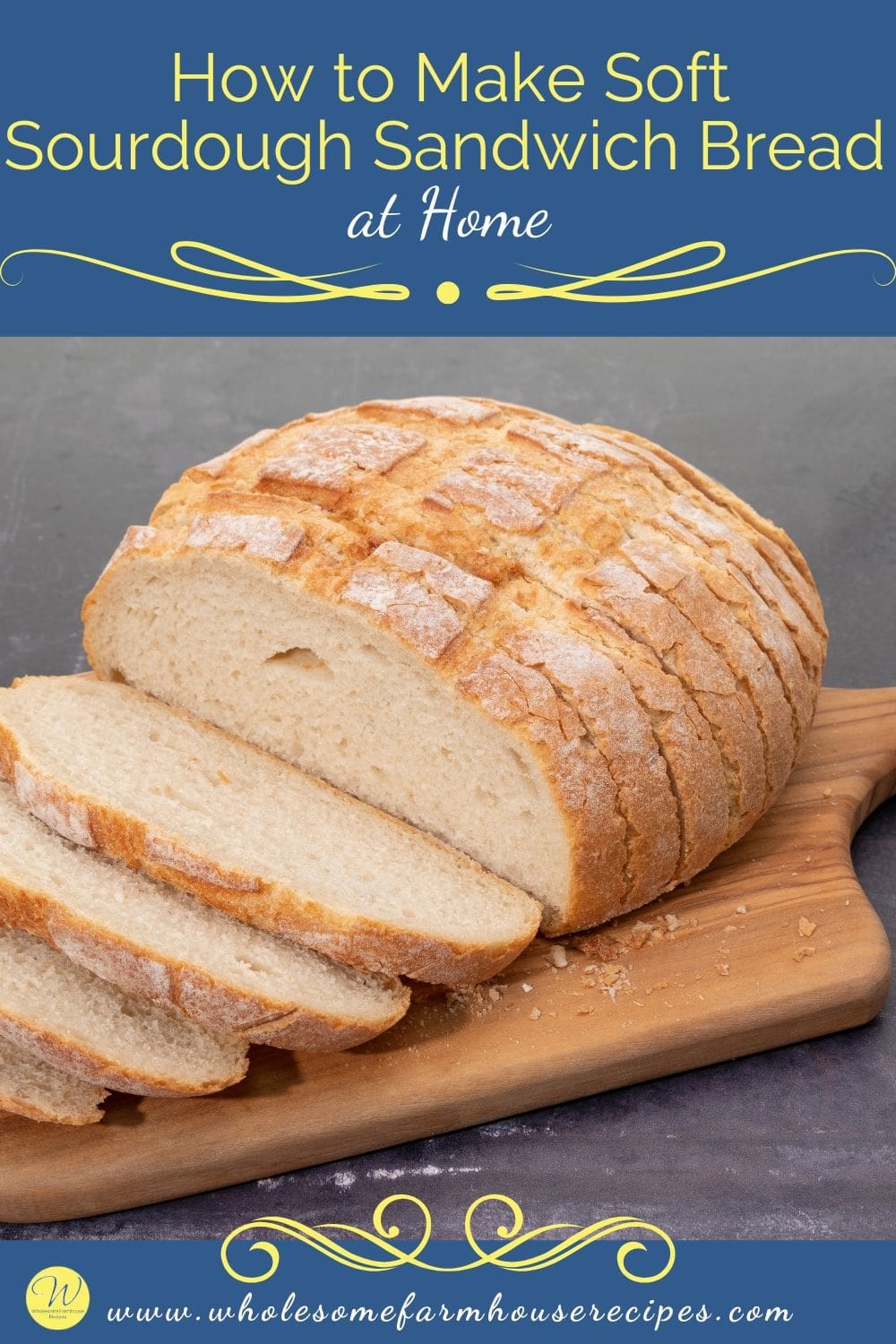
This sourdough sandwich bread recipe is perfect for everyday use. It combines the flavor and nutrition of wild yeast with the tender texture of an enriched dough. You get all the goodness of a traditional sourdough loaf without the chewy crust. Just soft crumb, a gentle dome over the top of the pan, and a flavor that beats any store-bought bread.
Whether it’s your first time making a sourdough loaf or your fiftieth, this step-by-step guide will help you get consistent results with minimal effort.

How to Make Soft Sourdough Sandwich Bread at Home
As an Amazon Associate I earn from qualifying purchases.
Kitchen Essentials


Ingredients
- 150 g Active Sourdough Starter about 2/3 cup, bubbly and fed
- 300 g Warm Water about 1 1/4 cups
- 500 g Bread Flour about 4 cups. or 400g bread flour + 100g whole wheat flour, about 3 1/4 cups + 3/4 cup
- 50 g Unsalted Butter or coconut oil, softened, about 3 1/2 tablespoons
- 25 g Raw Honey or maple syrup, about 1 tablespoon + 2 teaspoons
- 10 g Salt about 1 1/2 teaspoons
Instructions
How to Make Soft Sourdough Sandwich Bread at Home
- Mix the Dough. In the bowl of a stand mixer or a large mixing bowl, stir together your active starter, warm water, honey (or maple syrup), and butter until combined. Add the bread flour (and optional whole wheat flour) plus the salt. Mix until a shaggy dough forms.150 g Active Sourdough Starter, 300 g Warm Water, 500 g Bread Flour, 50 g Unsalted Butter, 25 g Raw Honey, 10 g Salt
- Knead the Dough. Using the dough hook attachment, knead on low speed for 8–10 minutes, until the dough is smooth, elastic, and pulls away from the sides of the bowl. If kneading by hand, use a lightly floured work surface and work the dough for 10–12 minutes.
- First Rise (Bulk Fermentation). Transfer the dough to a lightly oiled large bowl, cover with plastic wrap or a tea towel, and let it rest in a warm place for 6–8 hours, or until doubled in size. Dough temperature should stay around 75°F for best results.
- Shape the Loaf. Turn the dough onto a lightly floured surface. Using a bench scraper, gently shape it into a rectangle. Roll it tightly into a loaf, pinch the seam closed, and place seam-side down into a greased loaf pan.
- Second Rise. Cover with plastic wrap or a tea towel and let the loaf rise until the dough reaches just below the rim of the pan — about 2–4 hours at room temperature. For deeper flavor, refrigerate overnight for a cold proof and bake the next morning.
- Bake the Bread. Preheat the oven to 375°F (190°C). Bake for 35–40 minutes, until the loaf is golden brown and reaches an internal temperature of 195–200°F. If the top browns too quickly, tent with foil for the last 10 minutes.
- Cool & Slice. Remove from the bread pan and place on a cooling rack. Let it cool completely before slicing to preserve the soft crumb.
Your Own Private Notes
Notes
Tips for Best Results
• Weights listed first for accuracy; cup measurements included for convenience.• If this is your first loaf, start early so you’re not baking late into the night.
• For extra softness, store cooled bread in a plastic bag or wrap in a tea towel.
• This bread freezes beautifully. Slice first for an easy toast later.
• Swap a portion of bread flour for whole wheat flour for extra flavor and nutrition.
Nutrition
🥪 Why This Bread Works for Every Day
Unlike crusty artisan loaves baked in a Dutch oven, this soft sourdough sandwich bread is designed for everyday eating. The flavor comes from a slow fermentation process, and the texture is perfect for sandwiches, toast, or even grilled cheese. Once you make your own sourdough loaf, you might never go back to store-bought bread again.
🕒 Sample Baking Schedule for Soft Sourdough Sandwich Bread
This schedule is just a guide . Feel free to adjust based on your kitchen temperature and your starter’s activity level.
- 7:00 AM – Feed your sourdough starter so it’s bubbly and active by evening.
- 7:00 PM – Mix the dough in a large mixing bowl and let it rest for 1 hour.
- 8:00 PM – Knead the dough on low speed in a stand mixer with a dough hook attachment for 8–10 minutes, or until smooth and elastic. Cover and let the dough bulk ferment at room temperature overnight (10–12 hours in a 68–72°F / 20–22°C kitchen). In warmer kitchens, expect a shorter fermentation time.
- 6:00 AM – Shape the dough and place it in a loaf pan. Let it rise until the top of the dough is about 1 inch above the rim of the pan.
- 9:00 AM – Bake for 40–45 minutes until golden brown with an internal temperature of 190–195°F. Transfer to a cooling rack before slicing.
💡 Tip: If your mornings are busy, you can shape the dough after bulk fermentation and cold proof it in the refrigerator. Bake it later in the day for the same great results.
⚡ Quick Rise Alternative Schedule
If you’re short on time but still want a delicious soft sourdough sandwich loaf, this method uses a warm place and a little less fermentation time.
- 7:00 AM – Feed your active sourdough starter.
- 11:00 AM – Mix the dough in a large bowl and let rest for 30–45 minutes.
- 11:45 AM – Knead the dough with a dough hook attachment in a stand mixer on low speed for 8–10 minutes. Cover and let the dough rise in a warm place for 3–4 hours, or until nearly doubled in size.
- 3:45 PM – Shape the dough and place it into a loaf pan lined with parchment paper or greased with olive oil. Let the dough rise until the top of the loaf is 1 inch above the rim of the pan (about 1–2 hours).
- 5:30 PM – Bake for 40–45 minutes, or until golden brown and the internal temperature reaches 190–195°F. Move to a cooling rack before slicing.
💡 Tip: This method works best when your starter is at its peak and your kitchen is warm enough to encourage a good rise.
🌾 More Sourdough Recipes to Try
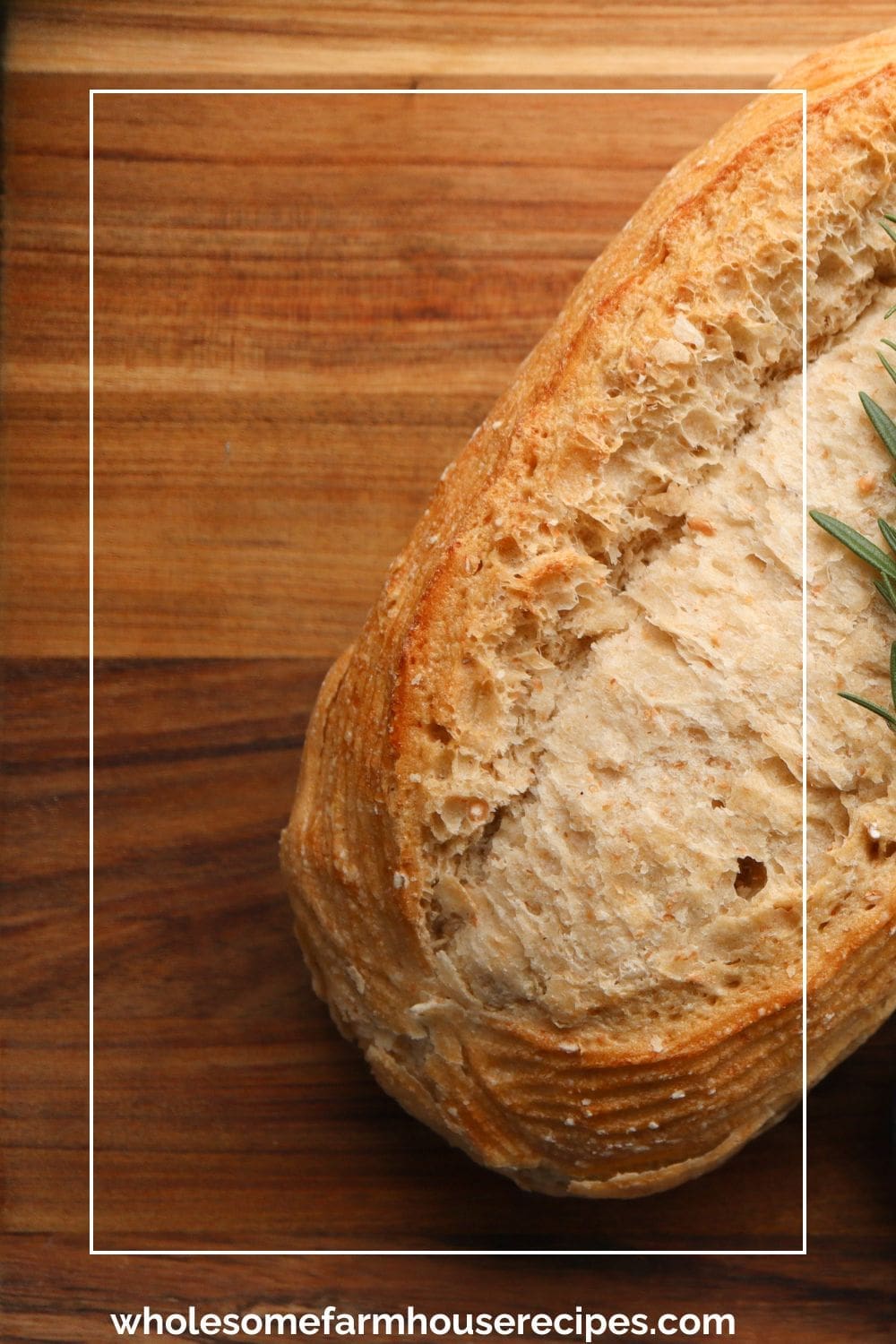
If you enjoyed this recipe, you’ll love my Easy Artisan Sourdough Bread for a rustic loaf and my sourdough discard recipes for reducing waste and maximizing your own sourdough starter. Links below.
Happy baking from our homestead kitchen to yours!


My family loved this!