
Discover 40 squash varieties and the best way to cook each one. Learn which squash is best for soup, roasting, baking, stuffing, and quick weeknight meals.
From creamy butternut soup to roasted delicata with crispy edges, choosing the right squash can make all the difference in the kitchen. While many squash look similar on the outside, each variety has its own flavor, texture, and best cooking method.
This guide covers 40 popular squash varieties, including both summer and winter squash, so you can confidently pick the right one whether you’re shopping at the grocery store, visiting a farmer’s market, or cooking from your own garden harvest.
Why Different Squash Cook Differently
The biggest difference comes down to when they’re harvested.
- Summer squash are picked young with tender, edible skin. They’re perfect for quick cooking, grilling, and sautéing.
- Winter squash mature fully on the vine, developing thick rinds, dense flesh, and naturally sweeter flavors that shine in soups, roasting, and baking.
Knowing which type you’re working with makes choosing the right recipe much easier.

Quick Guide: Which Squash Should You Buy?
If you’re in a hurry, here’s a quick reference for some of the most common varieties.
| Squash | Best Way to Cook It |
| Butternut | Soup, roasting |
| Acorn | Roast and stuff |
| Delicata | Roast with skin on |
| Kabocha | Soup, mash |
| Spaghetti | Roast and shred |
| Zucchini | Sauté, grill |
| Yellow Squash | Grill, casserole |
| Pattypan | Roast whole |
| Sugar Pie Pumpkin | Pie, baking |
| Carnival | Roast |
Grab the Free Printable Guide: Want a handy copy to keep in your recipe binder or take to the farmer’s market? Scroll to the bottom of this post to download The Complete Squash Variety Guide Printable PDF.
Winter Squash: Sweet, Rich, and Perfect for Cozy Meals
These varieties develop deeper flavors as they mature, making them ideal for fall and winter cooking.
1. Butternut Squash
Flavor: Sweet and nutty
Best Way to Cook It: Roast cubes until caramelized or blend into creamy soup.
2. Acorn Squash
Flavor: Mildly sweet
Best Way to Cook It: Roast the halves and fill them with sausage, wild rice, or butter and maple syrup.
3. Sugar Pie Pumpkin
Flavor: Sweet and earthy
Best Way to Cook It: Bake into homemade pumpkin pie or purée for baking.
4. Kabocha
Flavor: Chestnut-like sweetness
Best Way to Cook It: Roast wedges until tender or add to curry.
5. Red Kuri
Flavor: Sweet and smooth
Best Way to Cook It: Roast without peeling, then blend into soup.
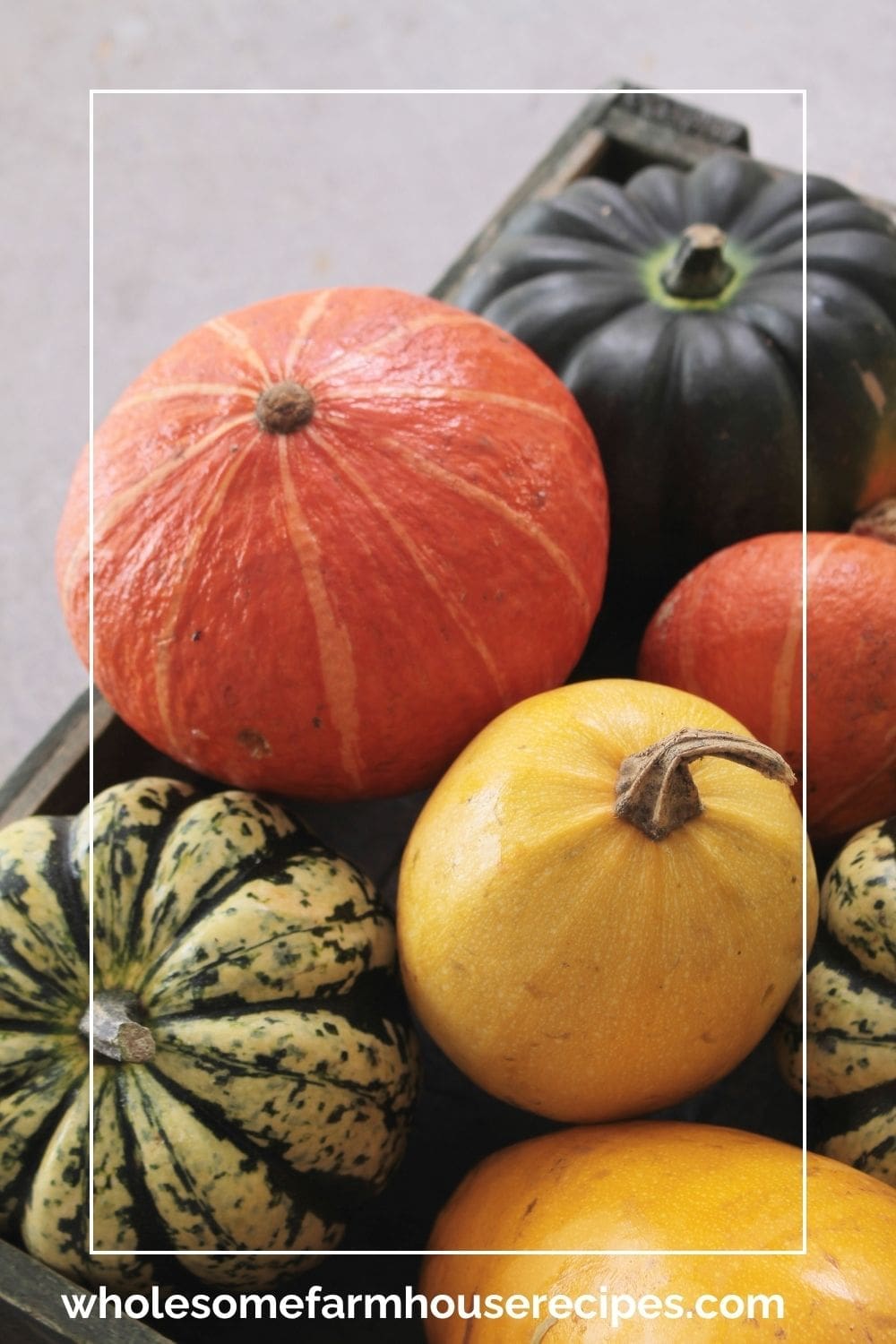
6. Hubbard Squash
Flavor: Rich and sweet
Best Way to Cook It: Bake large pieces and mash with butter.
7. Delicata
Flavor: Sweet potato-like
Best Way to Cook It: Slice into rings and roast with the skin on.
8. Sweet Dumpling
Flavor: Sweet and mild
Best Way to Cook It: Roast whole or stuff individually.
9. Carnival Squash
Flavor: Sweet and nutty
Best Way to Cook It: Roast until the edges caramelize.
10. Musquée de Provence
Flavor: Deep and complex
Best Way to Cook It: Roast for soup or savory purées.
11. Long Island Cheese Pumpkin
Flavor: Mild and buttery
Best Way to Cook It: Homemade pies and custards.
12. Blue Hubbard
Flavor: Rich and sweet
Best Way to Cook It: Bake and freeze the flesh for later.
13. Buttercup
Flavor: Dense and sweet
Best Way to Cook It: Mash like potatoes.
14. Turban Squash
Flavor: Mild
Best Way to Cook It: Bake and use as an edible serving bowl.

15. Red Warty Thing
Flavor: Pumpkin-like sweetness
Best Way to Cook It: Roast or bake into desserts.
16. Galeux d’Eysines
Flavor: Smooth and sweet
Best Way to Cook It: Blend into silky soup.
17. Jarrahdale
Flavor: Mild and sweet
Best Way to Cook It: Roast or bake.
18. Queensland Blue
Flavor: Sweet and firm
Best Way to Cook It: Roast thick slices.
19. Marina di Chioggia
Flavor: Rich and sweet
Best Way to Cook It: Gnocchi or roasted wedges.
20. Spaghetti Squash
Flavor: Mild
Best Way to Cook It: Roast until tender and scrape into noodle-like strands.
21. Gem Squash
Flavor: Mild
Best Way to Cook It: Bake whole with butter.
22. Golden Nugget
Flavor: Mild and earthy
Best Way to Cook It: Roast.
23. Butterkin
Flavor: Sweet and smooth
Best Way to Cook It: Soup and pies.
24. Autumn Frost
Flavor: Sweet and aromatic
Best Way to Cook It: Roast or mash.
25. Black Futsu
Flavor: Nutty
Best Way to Cook It: Roast with olive oil.
Summer Squash: Fast Favorites for Everyday Cooking
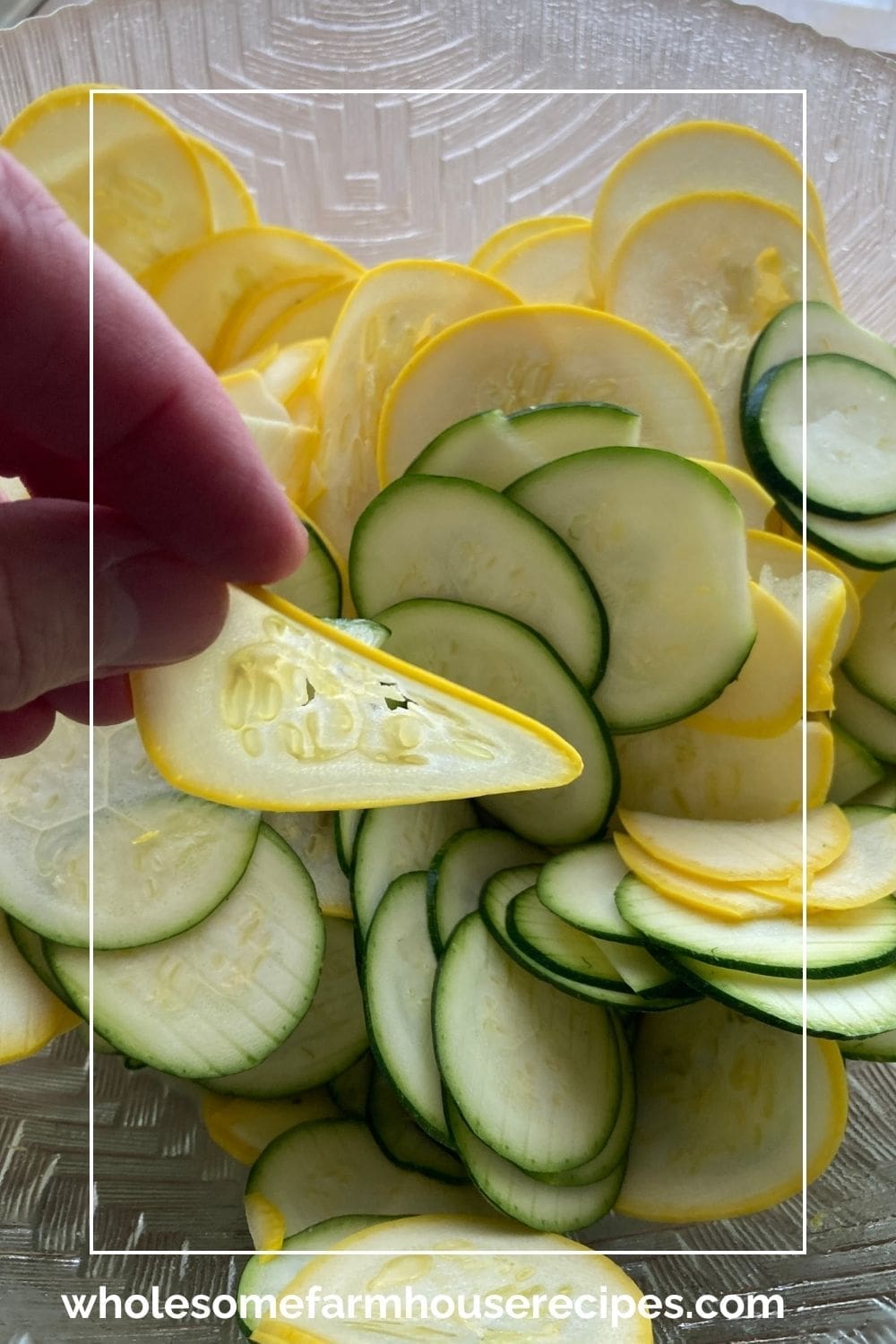
Summer squash have tender skin, soft seeds, and a higher moisture content than winter squash, so they cook quickly and are especially useful for skillet dishes, grilling, roasting, casseroles, and baking. Their flavors are generally mild, but there are noticeable differences in sweetness, nuttiness, and texture from one variety to another.
26. Yellow Crookneck
Flavor: Mild and slightly sweet with tender flesh.
Best Way to Cook It: Sauté with onions, garlic, and butter or olive oil. It also works well in casseroles and other quick vegetable dishes.
27. Yellow Straightneck
Flavor: Mild and delicate, similar to yellow crookneck.
Best Way to Cook It: Grill, sauté, or add to stir-fries. Its firm flesh holds up nicely when sliced.
28. Green Zucchini
Flavor: Mild, fresh, and slightly grassy.
Best Way to Cook It: Sauté, bake, grill, or shred into zucchini bread and muffins. This is one of the most versatile summer squash for everyday cooking.
29. Black Beauty Zucchini
Flavor: Mild and slightly sweet with tender flesh.
Best Way to Cook It: Roast or grill in slices, spears, or halves. It also works well in casseroles and skillet dishes.
30. Cocozelle
Flavor: Mild with a slightly richer, nuttier flavor than standard zucchini.
Best Way to Cook It: Grill thick slices or sauté until lightly browned. Its attractive striped skin also makes it nice for serving as a simple side dish.
31. Costata Romanesco
Flavor: Sweet, nutty, and more flavorful than many standard zucchini varieties.
Best Way to Cook It: Grill or sauté until lightly browned. The prominent ribs give it a pleasant texture and help it hold its shape during cooking.
32. Pattypan
Flavor: Mild, slightly nutty, and tender.
Best Way to Cook It: Roast whole when small, or halve and roast larger squash. They can also be stuffed or sliced for sautéing.
33. Sunburst Pattypan
Flavor: Mild and slightly sweet.
Best Way to Cook It: Grill, roast, or sauté. The bright yellow color makes it especially attractive mixed with green zucchini or other summer vegetables.
34. Eight Ball
Flavor: Mild and tender with a subtle zucchini flavor.
Best Way to Cook It: Stuff and bake. Its naturally round shape makes it particularly easy to hollow out and fill.
35. Cousa
Flavor: Mild, tender, and slightly sweet.
Best Way to Cook It: Stuff with seasoned meat and rice, or slice and sauté. Its short, rounded shape makes it especially well suited to stuffing.
36. Tromboncino
Flavor: Mild and slightly sweet with firm flesh.
Best Way to Cook It: Slice and grill or sauté. Young, tender tromboncino can be cooked much like zucchini.
37. Tatume
Flavor: Mild and slightly nutty.
Best Way to Cook It: Sauté, grill, or roast. Young tatume can be cooked like other summer squash, while larger fruits are often used for stuffing.
38. Zephyr
Flavor: Mild and slightly sweet with tender flesh.
Best Way to Cook It: Roast, grill, or sauté. Its yellow-and-green coloring makes a colorful addition to summer vegetable dishes.
39. Magda
Flavor: Mild, nutty, and slightly sweet.
Best Way to Cook It: Stuff and bake, or slice and sauté. Its tender flesh and compact shape make it especially good for stuffing.
40. Golden Zucchini
Flavor: Mild and slightly sweeter than green zucchini.
Best Way to Cook It: Sauté or bake. It can be used anywhere you would use green zucchini, while its bright yellow skin adds extra color to the dish.
Best Squash for Every Recipe
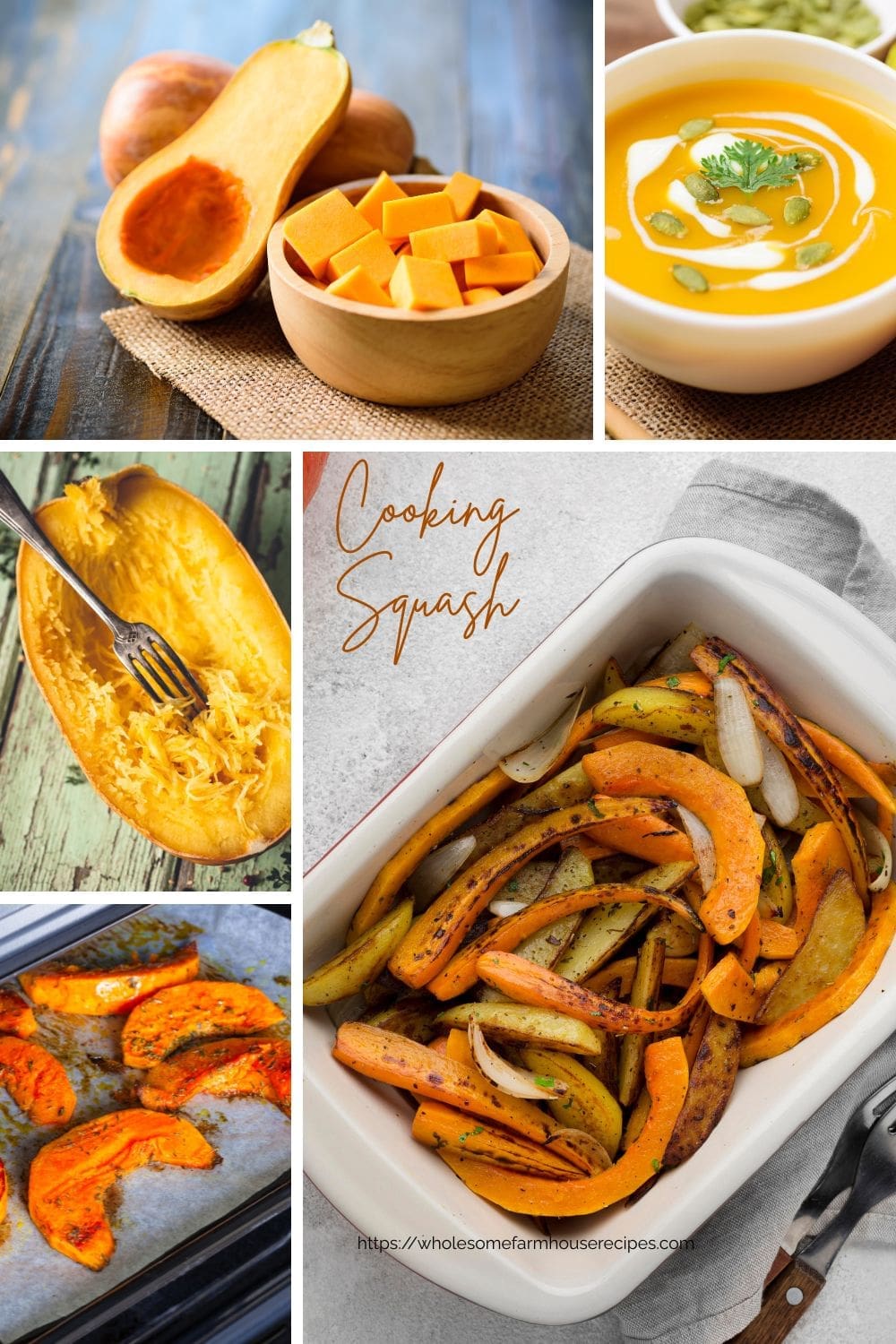
Not sure which squash to choose for the recipe you have in mind? While many squash can be used in several different ways, their texture, sweetness, and moisture content can make some varieties better suited to certain dishes. Here are some of our favorite squash for soup, roasting, stuffing, baking, and sautéing, along with simple ways to prepare them.
Best Squash for Soup
For smooth, creamy soups, choose squash with naturally sweet, dense flesh that blends easily. These varieties also work well in pureed soups and bisques.
- Butternut: Sweet, creamy, and dependable for classic squash soup.
- Kabocha: Very sweet with a rich, almost chestnut-like flavor.
- Buttercup: Dense and creamy, with a naturally sweet flavor.
- Red Kuri: Smooth and flavorful, with a thin skin that can be left on when cooking.
- Autumn Frost: Sweet and aromatic, making it a flavorful choice for pureed soups.
How to make squash soup
Roast or sauté peeled squash until tender, then simmer it with onion, garlic, and chicken or vegetable broth. Blend until smooth and finish with cream, milk, or a little butter if desired. For extra flavor, add thyme, sage, curry powder, or a pinch of nutmeg.
Good to know: Roasting the squash first gives the soup a deeper, sweeter flavor.
Best Squash for Roasting
Roasting brings out the natural sweetness of squash while creating caramelized edges and a deeper flavor. These varieties are especially good cut into wedges, cubes, or slices.
- Delicata: Sweet, tender, and especially easy because the edible skin does not need to be removed.
- Carnival: Nutty and sweet with colorful skin that makes a beautiful roasted side dish.
- Musquée de Provence: Dense, richly flavored flesh that develops excellent flavor when roasted.
- Acorn: Mildly sweet with tender flesh that holds its shape well.
- Moregold: Rich, smooth, and nutty, with a texture that becomes wonderfully creamy when roasted.
How to roast squash
Cut the squash into halves, wedges, or cubes and remove the seeds. Toss with olive oil, salt, and pepper. Roast at 425°F until tender and browned around the edges, turning larger pieces once during cooking.
Easy flavor combinations: Try garlic and Parmesan, maple and cinnamon, or rosemary and butter. Delicata is especially good simply roasted in rings because the skin becomes tender and edible.
Best Squash for Stuffing
These squash have shapes that naturally create a bowl for savory fillings. Smaller varieties can be stuffed whole or halved, while larger squash make a hearty main dish or side.
- Acorn: The classic choice, with deep ridges that hold plenty of filling.
- Sweet Dumpling: Small and naturally bowl-shaped, making individual servings.
- Pattypan: Its scalloped shape makes a fun presentation when stuffed.
- Gem: Small enough for individual portions and easy to bake whole or halved.
- Eight Ball: Round zucchini that is especially well suited to hollowing out and filling.
How to stuff squash
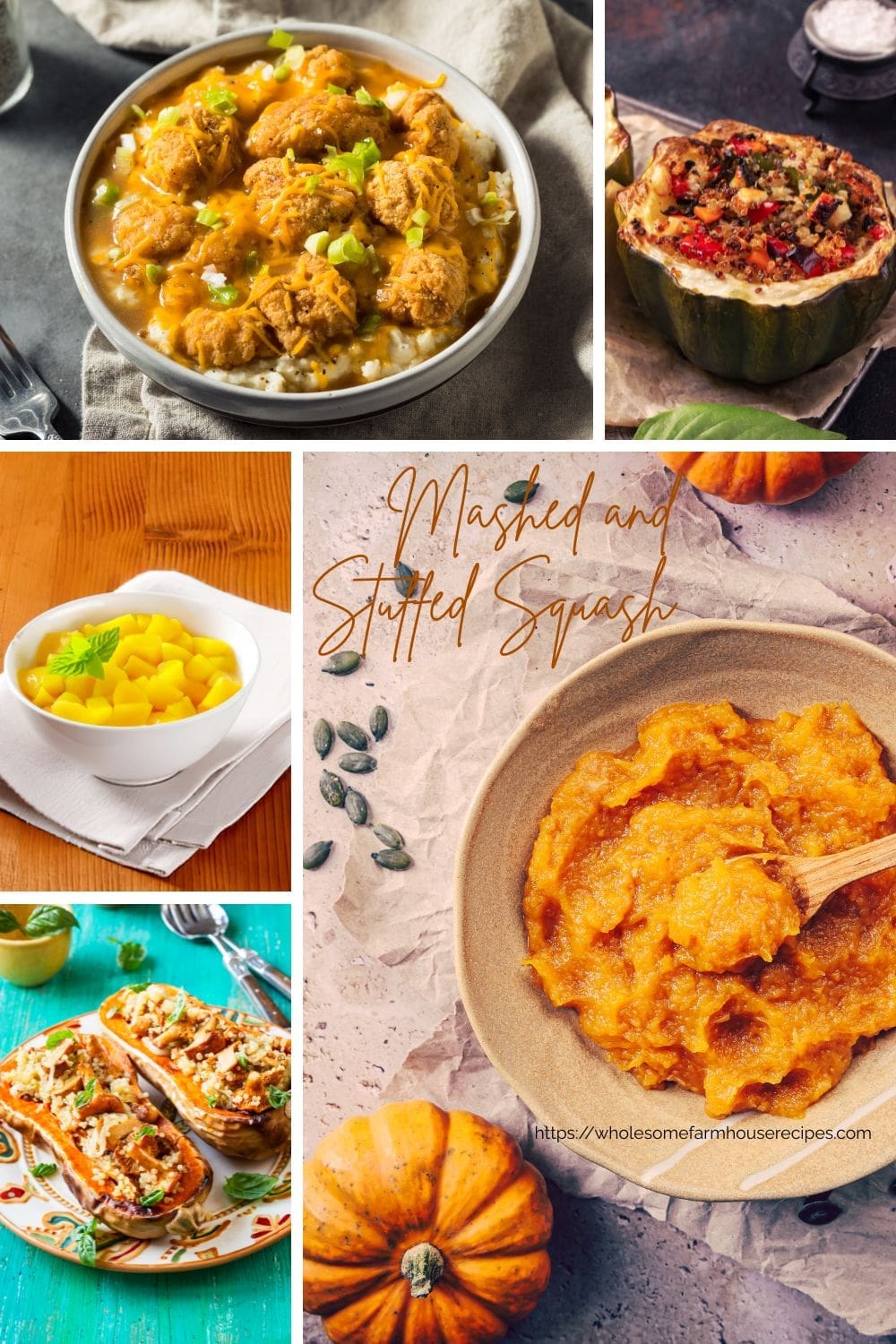
Cut larger squash in half and scoop out the seeds. Smaller squash can sometimes be left whole with the top removed. Roast the squash until it begins to soften, add the filling, and return it to the oven until the squash is tender and the filling is hot.
Stuffing ideas: Fill squash with cooked sausage and rice, seasoned ground beef, wild rice and mushrooms, quinoa and vegetables, or a mixture of breadcrumbs, cheese, and herbs.

Best Squash for Baking
For pies, breads, bars, and other baked goods, look for squash with sweet, smooth flesh and relatively little excess moisture.
- Sugar Pie Pumpkin: Sweet, fine-textured flesh that works especially well in pies.
- Long Island Cheese Pumpkin: Mild and buttery with a smooth, custard-like texture.
- Butternut: Naturally sweet and easy to puree for breads, muffins, pies, and other baked goods.
- Galeux d’Eysines: Sweet, smooth flesh that can be used much like pumpkin in baked recipes.
How to prepare squash for baking
Cut the squash into large pieces and roast or steam until tender. Scoop out the flesh and puree it until smooth. If the puree seems watery, let it drain before using it in a recipe.
What can you make with it? Use squash puree in pumpkin pie, quick breads, muffins, cakes, cookies, pancakes, and custards. Butternut puree can be substituted for pumpkin in many recipes.
Best Squash for Sautéing
Summer squash are some of the easiest vegetables to cook in a skillet. They need only a few minutes over medium-high heat and are especially good with butter or olive oil, garlic, onions, and fresh herbs. Cut them into evenly sized pieces so they cook at the same rate.
- Zucchini: Mild, tender, and versatile enough for almost any skillet combination.
- Yellow Crookneck: Tender with a mild flavor that pairs well with onions and herbs.
- Yellow Straightneck: Similar to zucchini but with a slightly firmer texture, making it excellent for quick skillet cooking.
- Cousa: Tender and mild, with a shape that works well sliced into rounds or half-moons.
- Zephyr: Mildly sweet with attractive two-tone skin that adds color to a skillet of summer vegetables.
How to sauté squash
Slice or cut the squash into even pieces. Heat a little butter or olive oil in a large skillet over medium-high heat. Add the squash in a single layer and cook for several minutes, stirring occasionally, until tender-crisp and lightly browned. Season with salt, pepper, garlic, fresh herbs, or Parmesan.
Kitchen tip: Don’t overcrowd the pan. Too much squash at once causes it to steam instead of brown.
Best Squash for Noodle-Like Strands
- Spaghetti Squash
How to cook spaghetti squash
Roast the squash until the flesh is tender, then scrape the inside with a fork to separate it into strands. Serve it with marinara, butter and Parmesan, pesto, or use it in casseroles.
What’s the sweetest squash?
Kabocha, butternut, buttercup, and red kuri are among the sweetest.
Which squash doesn’t need peeling?
Delicata, red kuri, and often kabocha have skins that become tender after roasting.
What’s the best squash for soup?
Butternut is the classic choice, but buttercup and kabocha create especially rich, velvety soups.
Can you freeze cooked squash?
Yes. Roasted cubes and mashed squash both freeze well for several months.
Best Squash for Eating Raw
Young summer squash have a crisp, tender texture and mild flavor that makes them great for salads, slaws, sandwiches, and vegetable platters. Look for small, freshly picked squash with thin, tender skin and small seeds.
- Green Zucchini: Mild and slightly grassy; excellent shaved into ribbons or thinly sliced.
- Yellow Straightneck: Mild and tender; good sliced into salads or cut into matchsticks.
- Yellow Crookneck: Slightly sweet with tender flesh when young; nice thinly sliced.
- Cousa: Mild and tender; can be sliced thinly or shaved into salads.
- Zephyr: Mild and slightly sweet; attractive raw because of its yellow-and-green coloring.
- Golden Zucchini: Mild and slightly sweet; especially pretty sliced into salads.
How to serve summer squash raw: Slice it paper-thin, shave it into ribbons with a vegetable peeler, or cut it into matchsticks. Toss with a simple vinaigrette, lemon juice and olive oil, or add it to a fresh vegetable salad. A little salt can draw out moisture, so if you’re making the salad ahead, salt it shortly before serving.
Very thin slices of young zucchini or yellow squash can also be served almost like a vegetable carpaccio, dressed with lemon juice, olive oil, Parmesan, fresh herbs, and a little black pepper.
Best Squash for Fresh Salsas, Slaws & Salads
Cousa: Mild and tender with a slightly sweet flavor. Great finely diced into fresh salsa, especially with tomato, onion, cilantro, lime, and jalapeño.
Zephyr: Mild and slightly sweet. Its yellow-and-green coloring makes a fresh salsa especially colorful.
Green Zucchini: Mild and easy to find, making it a practical choice for fresh salsa, slaw, or finely diced salads.
Golden Zucchini: Mild and slightly sweet, with bright yellow skin that adds color to fresh dishes.
Yellow Straightneck: Mild and tender, especially when picked young. Good for finely chopped salsa or fresh vegetable salads.
Yellow Crookneck: Slightly sweet and tender when young. It can be used raw in salsa, although I’d choose smaller fruits because older crookneck can develop larger seeds and tougher skin.
What about Salsa Verde?
Traditional Mexican salsa verde is made with tomatillos, not summer squash. But squash can absolutely be used in a fresh green salsa or a squash-based salsa.
For example, finely diced young Cousa, zucchini, or Zephyr could be combined with:
- tomatillos or green tomatoes
- onion
- jalapeño
- cilantro
- lime juice
- salt
You could also grill or roast the squash first for a smoky salsa. That would be particularly good with Costata Romanesco or zucchini.
How to Freeze Squash for Later
Squash freezes well, but the best method depends on whether you want pieces for roasting, cooked squash for soups and casseroles, or shredded squash for baking. Most squash will soften somewhat after freezing and thawing, so frozen squash is generally best used in cooked recipes rather than recipes where you want the fresh texture.
Freeze Squash in Cubes
Cubed squash is handy for soups, stews, casseroles, and roasting.
For winter squash such as butternut, peel it, remove the seeds, and cut the flesh into evenly sized cubes. Blanch the cubes in boiling water for a few minutes, then transfer them immediately to an ice-water bath. Drain well, pat dry, and spread the pieces on a baking sheet in a single layer. Freeze until solid, then transfer to freezer bags or containers.
Freezing the pieces separately first keeps them from becoming one large frozen block.
Tip: Label the bag with the type of squash and the date. I also like to freeze squash in recipe-sized portions so I can grab exactly what I need. Usually, 1 to 2 cups a container.
Freeze Cooked or Mashed Squash
This is one of my favorite ways to preserve winter squash because it is ready to use.
Cook the squash until tender by roasting, steaming, or baking. Scoop out the flesh and mash or puree it. Let it cool completely before packing it into freezer containers or bags.
Freeze in 1- or 2-cup portions for easy use in soups, casseroles, breads, muffins, pies, and other recipes.
For recipes that call for pumpkin puree, butternut squash or other smooth winter squash can often be used in its place.
Freeze Shredded Zucchini and Summer Squash
Shredded zucchini is especially useful to have in the freezer for zucchini bread, muffins, casserole, and other recipes.
Shred the zucchini and blanch it briefly before freezing. Drain and cool it, then squeeze or press out some of the excess water before packaging.
I like to freeze shredded zucchini in recipe-sized portions. If a recipe calls for 2 cups, freeze it in 2-cup packages so there is no measuring later.
Do You Need to Drain Frozen Squash?
Sometimes, yes. This is particularly important with shredded zucchini and other summer squash.
Frozen squash releases water as it thaws. For soups, stews, and casseroles, that extra moisture usually isn’t a problem. But if you’re making zucchini bread, muffins, fritters, or another recipe where too much liquid can affect the texture, drain or squeeze out the excess moisture after thawing.
The amount of liquid can vary quite a bit depending on the squash.
For baking: Thaw the shredded squash and drain off excess liquid. If it is particularly watery, gently squeeze it in a clean kitchen towel or press it in a colander before measuring.
Can You Freeze Squash Without Cooking It?
For longer-term freezer storage, summer squash and zucchini are best blanched before freezing rather than simply cutting them up and putting them in the freezer. Blanching helps preserve quality and slows the enzymes that can cause changes in flavor, color, and texture.
Winter squash can be prepared and frozen as cubes or cooked puree, depending on how you plan to use it.
How to Thaw Frozen Squash
The easiest method depends on what you’re making.
- For soups and stews: Often no thawing is necessary. Add frozen squash directly to the pot.
- For roasting: Thaw and drain well first, then pat dry. Frozen squash tends to release moisture, so starting with it as dry as possible helps it brown.
- For casseroles: Thaw and drain if there is a lot of liquid.
- For zucchini bread and muffins: Thaw completely and drain or gently squeeze out excess moisture before measuring.
- For mashed or pureed squash: Thaw in the refrigerator or gently warm it in a saucepan.
From Our Kitchen: When we have more squash than we can use right away, I like to freeze it in portions that match the recipes I make most often. A bag of shredded zucchini becomes an easy starting point for zucchini bread, while cubed butternut squash can go straight into a soup or casserole. Taking a few minutes to package it in recipe-sized portions now saves work later.
Choose Your Freezing Method
| If you want to use it for… | Prepare it as… |
| Soup or stew | Cubed or pureed |
| Roasting | Cubed |
| Casseroles | Cubed or cooked |
| Zucchini bread | Shredded |
| Muffins | Shredded |
| Pie | Pureed |
| Quick side dishes | Cooked or cubed |
Delicious Squash Varieties for Easy Meals
One of the things I enjoy most about cooking with squash is how each variety seems to have its own specialty. Butternut is the one I reach for when I’m making a pot of creamy soup. Delicata is my favorite when I want an easy roasted side without peeling. And spaghetti squash always finds its way onto the table when we’re craving a lighter version of pasta night.
Once you know what each squash does best, choosing one at the store—or from your own garden—becomes much easier.
Whether you’re roasting, baking, stuffing, or blending, there’s a squash that’s perfectly suited for your next meal.
Free Printable
The Complete Squash Variety Guide PDF
Save this handy kitchen reference for your recipe binder or your next trip to the farmer’s market. Click on the Photo to download the Printable PDF.
If you’re not already a newsletter subscriber, you’ll be asked to sign up for the newsletter to unlock the download.

Stay connected with Wholesome Farmhouse Recipes
Add Wholesome Farmhouse Recipes as a preferred source in Google Search to make it easier to find our recipes and cooking ideas when you're searching for something delicious to make.


