
Let’s talk about water bath vs pressure canning. No matter if you are new to canning or have been doing this for years. It’s always a good time to talk about safely preserving our food.
When it comes to home food preservation, choosing the right method of canning is crucial for keeping your jars of food safe and delicious. Even seasoned home canners sometimes wonder whether to use water bath canning or the pressure canning method.
Especially when trying to preserve everything from sweet preserves to low acid vegetables. Understanding the difference can mean the difference between a tasty treat and potentially harmful bacteria like Clostridium botulinum.
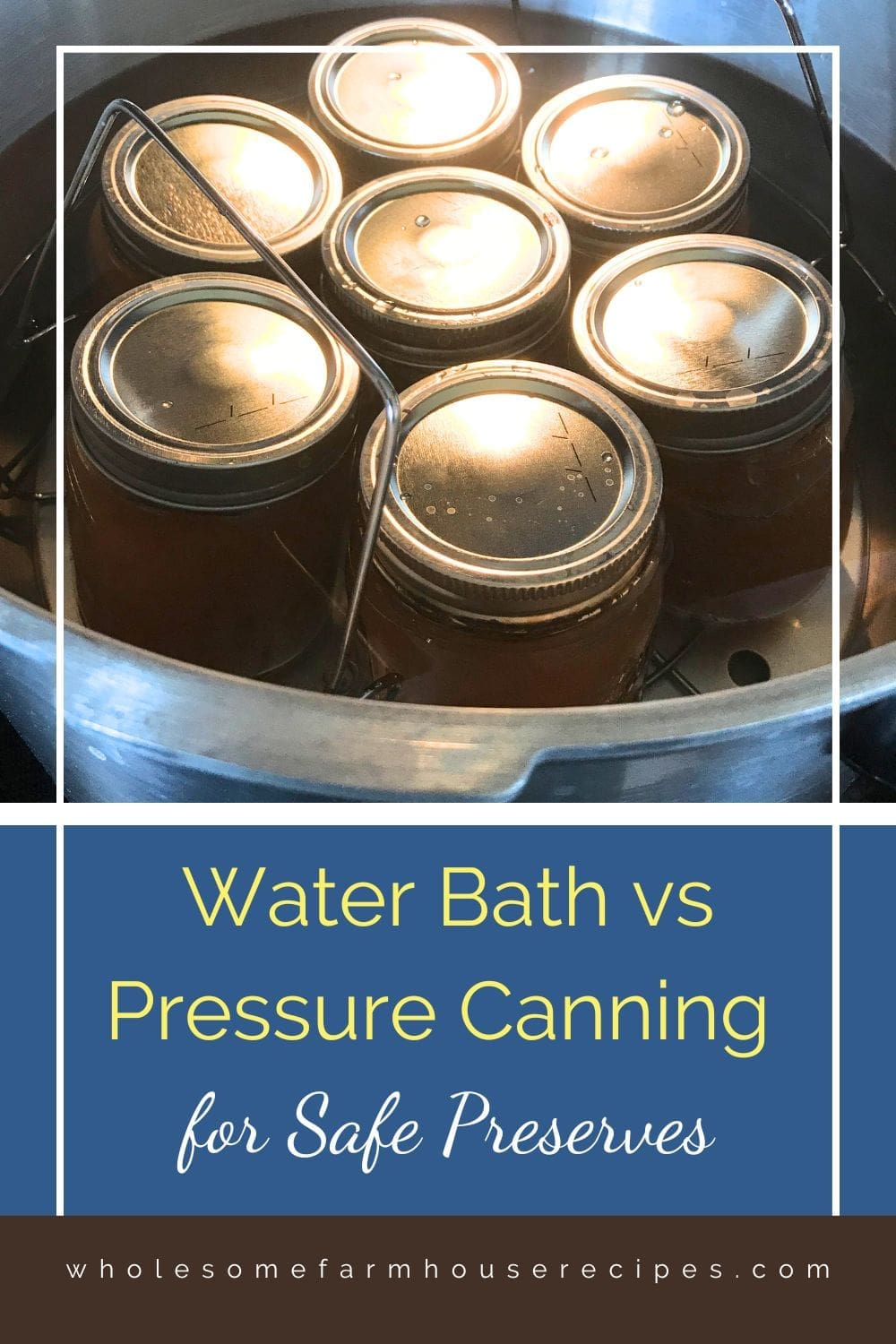
What is Water Bath Canning?
Water bath canning, also called hot water canning or the water bath method, is the only safe method for high-acid foods. These include fruit butters, sweet preserves, vinegary pickled foods, and many tomato products with added acidity like lemon juice or citric acid.
This method relies on a large pot of boiling water bath to process glass jars for a specified amount of time. The heat of the processing destroys harmful bacteria, molds, and yeasts, and creates an airtight seal for long-term storage.
Tips for water bath canning:
- Use a jar lifter to safely handle hot canning jars.
- Make sure air bubbles are removed and the jar is filled correctly.
- Process at a rolling boil for the processing time recommended in your canning recipes.
- Adjust for altitude if needed, as degrees Fahrenheit at boiling changes with elevation.
What is Pressure Canning?
For low-acid foods, including most vegetables, green beans, vegetable soup stocks, and animal products like red meats, pressure canning is required. Low acid a.k.a. non-acidic foods have a higher pH, which allows botulism spores to survive unless exposed to higher temperatures.
A pressure canner or pressure cooker is a heavy-duty piece of equipment that uses steam pressure to safely raise the temperature above 212 degrees Fahrenheit. Enough to destroy harmful bacteria.
So many pounds of pressure must be carefully monitored using a pressure gauge. And processing must last for the specified amount of time for the type of food you are preserving.
Tips for pressure canning:
- Make sure your canning lids fit properly for a vacuum seal.
- Keep water in the bottom of the pressure canner as recommended.
- Use a hot pack method when applicable for low acid vegetables and vegetable soup stocks.
- Always follow tested canning recipes and guidelines from sources like the National Center for Home Food Preservation.
Key Differences Between Water Bath and Pressure Canning
| Feature | Water Bath | Pressure Canning |
| Suitable Foods | High-acid foods, fruit butters, vinegary pickled foods, sweet preserves | Low-acid foods, fresh vegetables, red meats, vegetable soup stocks |
| Temperature | Boiling water (212°F) | Higher temperatures using steam pressure |
| Equipment | Large pot, water bath canner, jar lifter | Pressure canner, pressure gauge, very specialized piece of equipment |
| Safety | Destroys yeasts, molds, bacteria | Destroys Clostridium botulinum spores |
| Special Notes | May need lemon juice or citric acid to boost acidity | Requires pounds of pressure and careful monitoring |
A basic rule of thumb is. If the food is low acid or alkaline, like unpickled vegetables or meat, pressure canning is the only safe method. For high acid foods with enough acid, water bath canning is sufficient.
Common Mistakes and Safety Tips
Even experienced home canners sometimes make mistakes:
- Using screw clamps or jar clamps instead of proper special canning lids.
- Skipping hot water baths for high-acid foods that need added acidity.
- Ignoring air bubbles or overfilling glass jars.
- Not adjusting processing time for altitude or type of food.
Remember following tested canning recipes and methods of canning is the best way to avoid botulism bacteria and keep your own food safe.
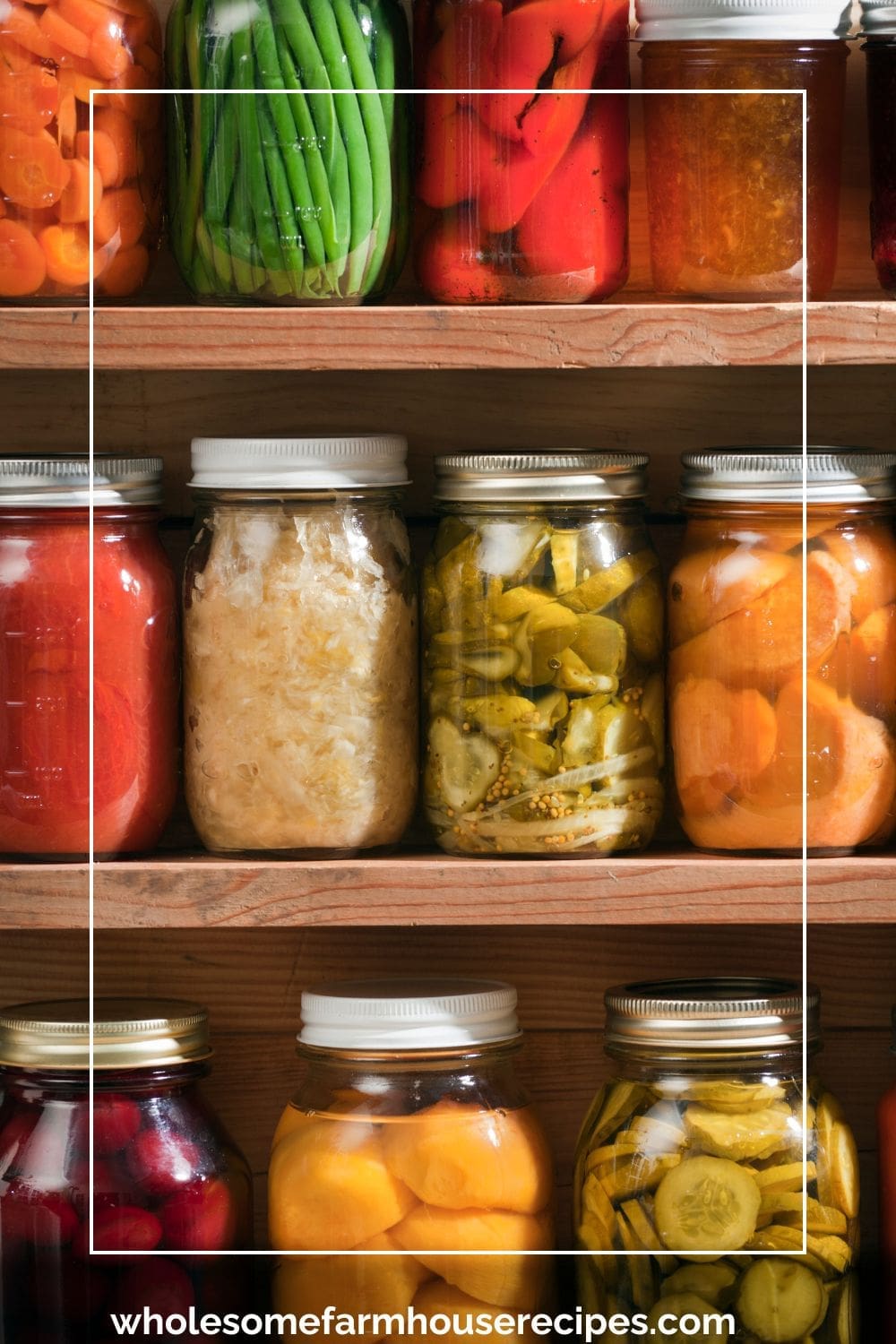
Water Bath vs Pressure Canning
Choosing between water bath canning and pressure canning is essential for food safety. By understanding which types of canning methods to use for different foods, ensuring airtight seals, and monitoring processing time and temperature, you can safely preserve your home-cooked bounty for months to come.
Canning is hard work, but with the right tools and techniques, it’s a rewarding and safe way to enjoy your own food year-round.
Why Some Foods Still Need Added Acid
Even if a food seems naturally acidic, like tomatoes, some recipes still call for lemon juice or citric acid. This ensures the pH of the ingredients is low enough for water bath canning to safely destroy harmful bacteria.
- High-acid foods like most berries, apples, and vinegar-based pickles are usually safe on their own.
- Low-acid foods or borderline-acid foods need a little added acidity. This includes many tomato products, certain fruit preserves, and some pickled vegetables.
- The basic rule. If the pH is above 4.6, water bath canning alone isn’t enough. Adding lemon juice, vinegar, or citric acid makes it safe.
Tip. Always follow tested canning recipes and measure acids carefully. Too little could leave botulism spores alive, while too much can affect flavor. Using the right amount ensures that your jars of food have a proper airtight seal and can safely sit on the pantry shelf at room temperature.
This connects directly to the quick reference chart, helping you see at a glance which high-acid foods are safe for the water bath method and which require added acid to be safe.
Does Pressure Canning Make Food Mushy?
One concern many home canners have is whether pressure canning will ruin the texture of foods like green beans, corn, or vegetable soup stocks.
The truth is that pressure canning cooks food at higher temperatures for the specified amount of time, which can soften the food more than other methods.
What to know:
- Pressure canning uses steam pressure to reach higher temperatures than boiling water, which is necessary to kill botulism spores in low-acid foods.
- Because of this high heat, some vegetables may become softer or slightly mushy. This is normal and doesn’t mean the food is unsafe.
- Foods that hold up better include red meats, poultry, and sturdy low-acid vegetables like carrots or beans.
- If you’re preserving fresh vegetables for texture, consider blanching first to help maintain firmness, and don’t overfill jars. Following canning recipes closely is key.
Bottom line. Pressure canning is about safety first. While some foods may be softer than fresh, the trade-off is that you eliminate harmful bacteria like Clostridium botulinum, making it the only safe method for many low-acid foods.
Quick Reference: Water Bath vs Pressure Canning
| Type of Food | Acid Level | Safe Canning Method | Notes / Tips |
| Fruits (apples, berries, peaches, pears) | High-acid | Water Bath Canning | Add lemon juice if needed; follow canning recipes for processing time. |
| Tomato Products (sauce, salsa, juice) | High-acid with added citric acid | Water Bath Canning | Tomatoes may need lemon juice or citric acid to reach safe acidity. |
| Pickles & Vinegary Foods | High-acid | Water Bath Canning | Include vinegar for acidity; sweet preserves like jams also fit here. |
| Fruit Butters & Jams | High-acid | Water Bath Canning | Use a rolling boil and hot pack method; air bubbles should be removed. |
| Green Beans | Low-acid | Pressure Canning | Requires pounds of pressure; follow pressure canner instructions carefully. |
| Vegetable Soup Stocks | Low-acid | Pressure Canning | Low acid a.k.a. non-acidic foods; must reach higher temperatures to kill botulism spores. |
| Red Meats / Poultry | Low-acid | Pressure Canning | Use pressure cooker/canner; monitor pressure gauge and processing time. |
| Low Acid Vegetables (corn, carrots, peas) | Low-acid | Pressure Canning | Can’t safely use water bath method; ensure airtight seal. |
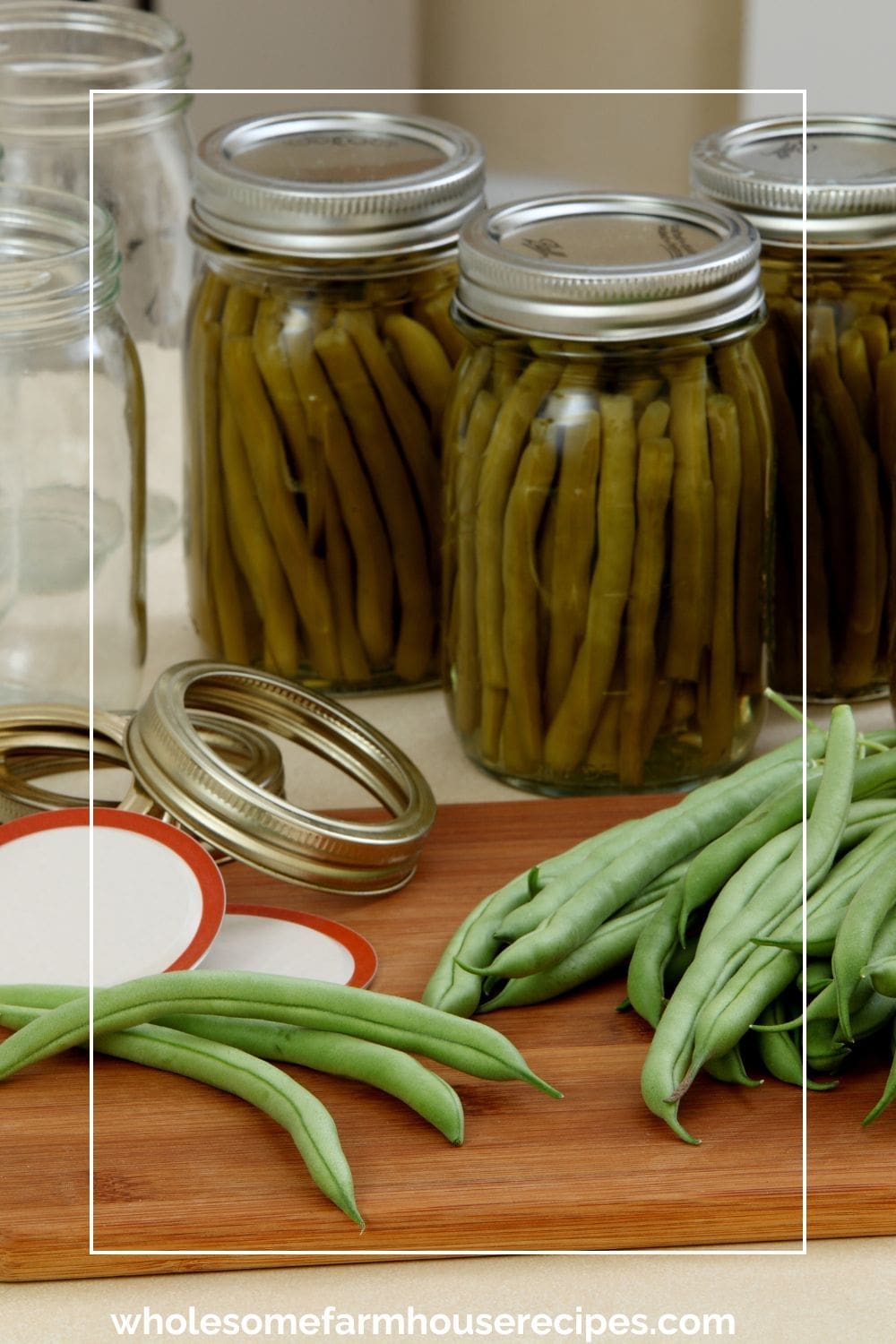
Here is a list of more common foods and their PH levels: pH Chart for Home Canning Foods
| Food Category | Food | Approx. pH | Acid Level / Notes |
| Fruits | Apples | 3.3–3.6 | High-acid |
| Apricots | 3.3–4.1 | High-acid | |
| Blackberries | 3.2–3.6 | High-acid | |
| Blueberries | 3.1–3.4 | High-acid | |
| Cherries (sour) | 3.2–3.5 | High-acid | |
| Cherries (sweet) | 3.6–4.0 | High-acid | |
| Cranberries | 2.3–2.5 | High-acid | |
| Grapes | 3.0–4.0 | High-acid | |
| Lemons | 2.0–2.6 | High-acid | |
| Limes | 2.0–2.8 | High-acid | |
| Oranges | 3.0–4.0 | High-acid | |
| Pineapple | 3.2–3.5 | High-acid | |
| Peaches | 3.3–4.0 | High-acid | |
| Pears | 3.5–4.6 | High-acid | |
| Strawberries | 3.0–3.9 | High-acid | |
| Watermelon | 5.2–5.6 | Low-acid | |
| Cantaloupe | 6.1–6.5 | Low-acid | |
| Grapefruit | 3.0–3.8 | High-acid | |
| Vegetables | Asparagus | 6.0–6.7 | Low-acid |
| Beets | 5.5–6.5 | Low-acid | |
| Carrots | 5.8–6.3 | Low-acid | |
| Corn | 6.0–6.8 | Low-acid | |
| Green Beans | 5.5–5.8 | Low-acid | |
| Mushrooms | 6.0–6.7 | Low-acid | |
| Okra | 6.0–6.2 | Low-acid | |
| Peas | 5.8–6.0 | Low-acid | |
| Potatoes | 5.4–5.9 | Low-acid | |
| Spinach | 5.5–6.8 | Low-acid | |
| Squash | 5.5–6.0 | Low-acid | |
| Zucchini | 5.5–6.0 | Low-acid | |
| Celery | 5.7–6.0 | Low-acid | |
| Sweet Potatoes | 5.3–5.6 | Low-acid | |
| Tomatoes* | 4.3–4.9 | High-acid if acid added | |
| Herbs & Spices | Basil | 5.5–6.0 | Low-acid |
| Dill | 4.5–5.0 | Borderline | |
| Parsley | 5.5–6.0 | Low-acid | |
| Grains | Rice (cooked, brown) | 6.0–6.7 | Low-acid |
| Rice (cooked, white) | 6.0–6.7 | Low-acid | |
| Meats & Seafood | Chicken | 5.5–6.2 | Low-acid, must pressure can |
| Beef | 5.3–6.0 | Low-acid, must pressure can | |
| Pork | 5.5–6.0 | Low-acid, must pressure can | |
| Veal | 5.5–6.0 | Low-acid, must pressure can | |
| Lamb | 5.5–6.0 | Low-acid, must pressure can | |
| Fish | 6.0–6.5 | Low-acid, must pressure can | |
| Tuna | 5.5–6.0 | Low-acid, must pressure can | |
| Crab | 5.5–6.0 | Low-acid, must pressure can | |
| Clams | 5.5–6.0 | Low-acid, must pressure can | |
| Eggs (whole, raw-packed) | 6.0–6.5 | Low-acid, must pressure can |
*Tomatoes are naturally borderline; adding lemon juice or citric acid increases acidity for safe water bath canning.


