
These homemade sourdough English muffins are soft, chewy, and filled with those classic nooks and crannies that soak up butter, jam, or even peanut butter. If you’ve ever wanted to try a true sourdough recipe beyond a classic loaf of sourdough bread, this is a great recipe to start with.
Unlike yeasted bread made with commercial yeast, this easy sourdough version relies on your active sourdough starter and slow bulk fermentation for the best flavor and texture.
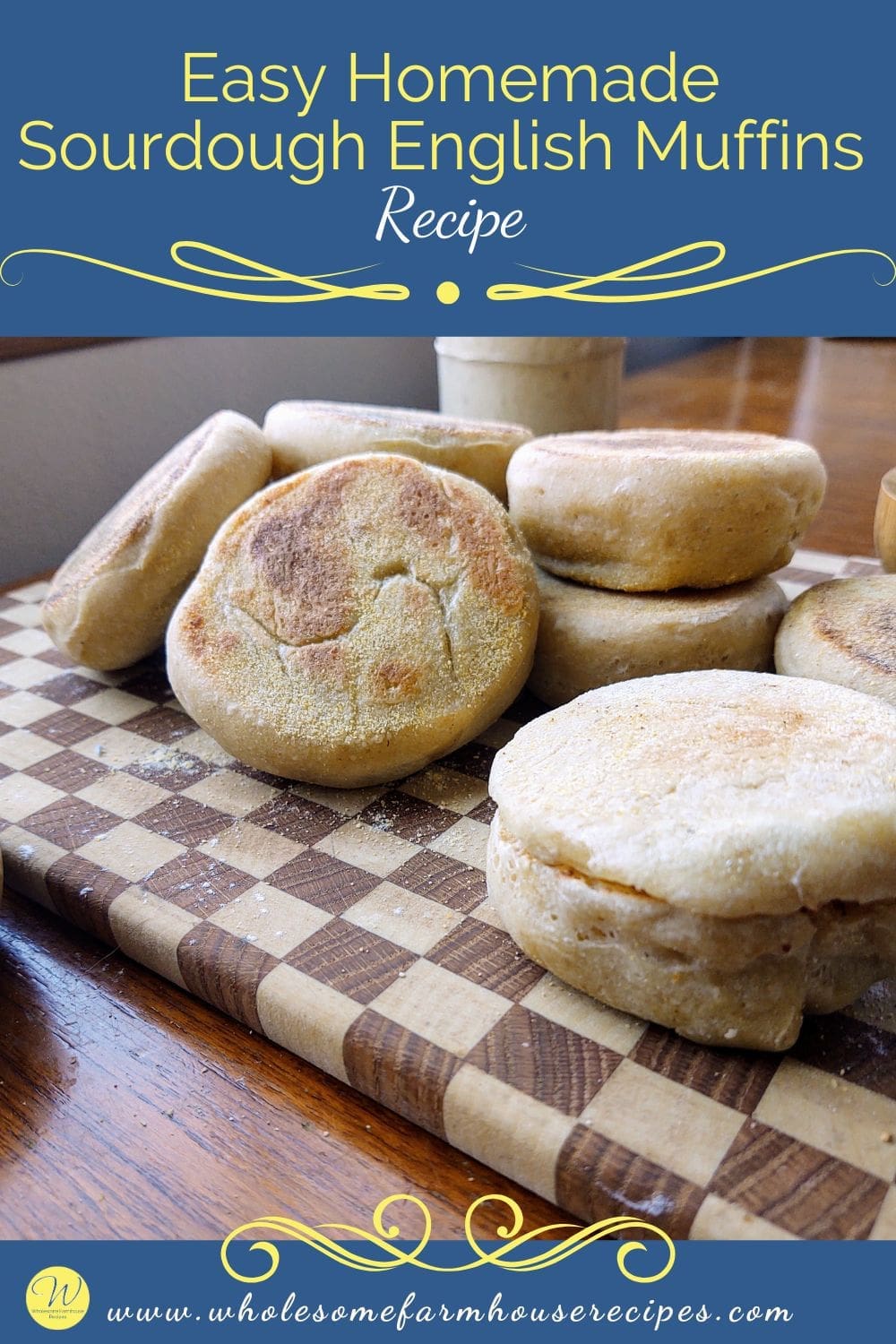
I still remember the first time I made these. The dough felt a little like sticky dough, but with patience and the right steps, the best English muffins came off my griddle, perfectly golden brown.
These are light, flavorful, and truly some of the best sourdough bakes you can try at home.

Easy Homemade Sourdough English Muffins Recipe
As an Amazon Associate I earn from qualifying purchases.
Kitchen Essentials


Ingredients
- 1/2 Cup Active Sourdough Starter
- 1 Cup Warm Milk or water, room temperature, no more than 110° F
- 2 Tablespoons Honey or sugar
- 2 ½ Cups Flour can be a mix of white flour, whole wheat flour, and all-purpose flour
- 1 Teaspoon Salt
- 2 Tablespoons Butter Softened or olive oil
- Cornmeal for dusting
Instructions
- Mix the Dough. In a large bowl or the bowl of a stand mixer fitted with a dough hook attachment, combine the active starter, warm milk, honey, and melted butter. Slowly add the flour and salt, mixing until a shaggy piece of dough comes together. You want enough flour so the dough pulls away from the sides of the bowl, but it should still be slightly sticky. Cover with plastic wrap or a tea towel.1/2 Cup Active Sourdough Starter, 1 Cup Warm Milk, 2 Tablespoons Honey, 2 ½ Cups Flour, 2 Tablespoons Butter, 1 Teaspoon Salt
- First Rise. Let the dough rest in a warm place for 8–12 hours. This long first rise (or bulk fermentation) develops flavor and creates the airy texture inside your muffins. The next morning, the top of the dough should look puffy and full of bubbles.
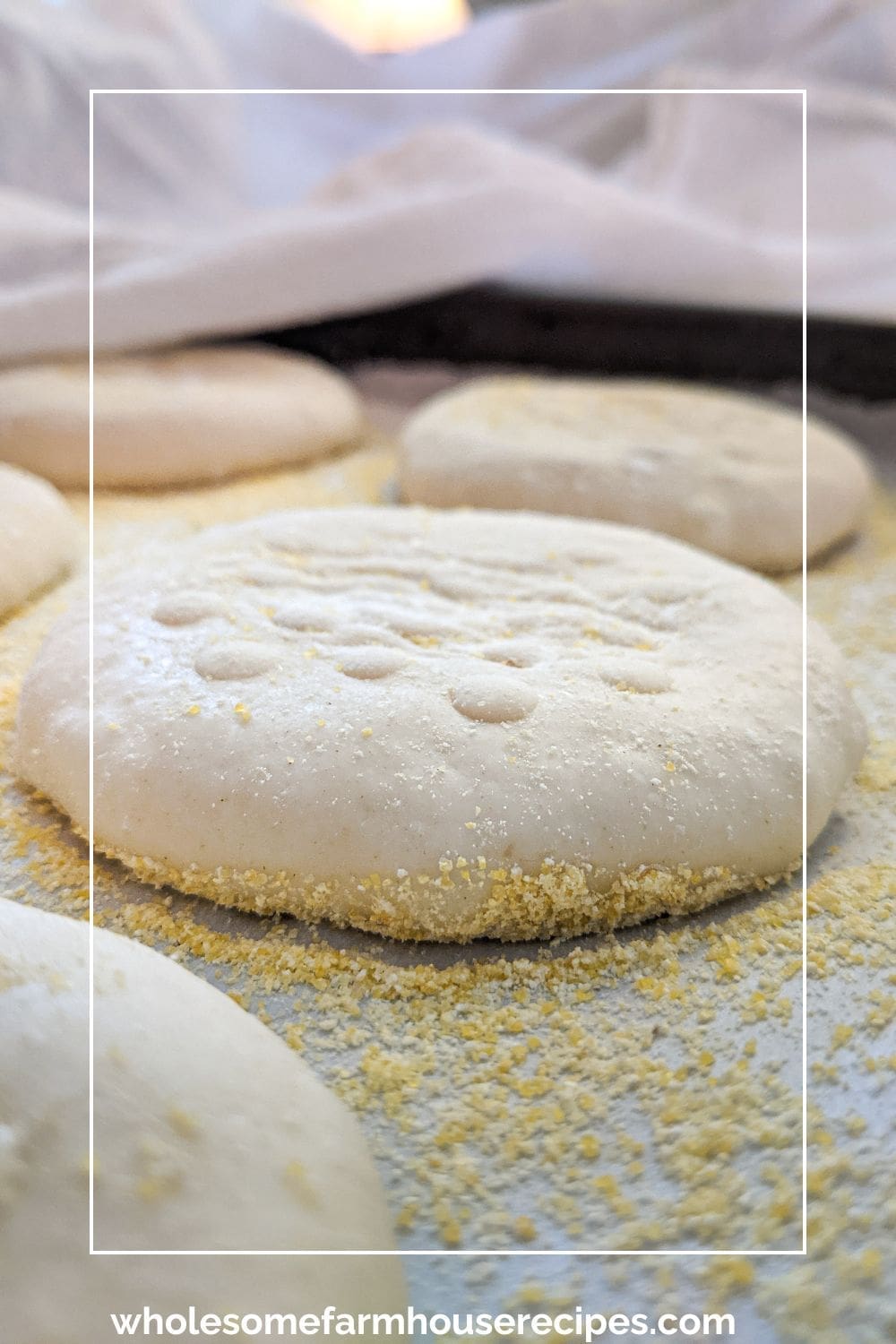
- Shape the Muffins. Turn the dough out onto a lightly floured work surface or lightly floured surface. Divide into equal pieces (about 10–12 dough balls). Flatten slightly with your hands. Or you can turn the dough out in one big circle and flatten to ¾-inch and use a biscuit cutter or cookie cutter for perfectly round muffins. Place on a parchment-lined baking sheet (or half sheet pan) dusted with cornmeal.Cornmeal for dusting
- Second Rise. Cover again with a tea towel and allow the muffins a second rise for 1–2 hours until puffy.
- Cook on the Griddle. Heat a cast iron skillet, cast iron pan, electric griddle, or non-stick pan over medium-low heat (not too hot — lower is better for even cooking). Cook the muffins in batches, about 5–6 minutes per first side, then flip and cook the second side for another 5–6 minutes. For best results, use medium-low heat throughout so the centers cook through before the outsides brown.
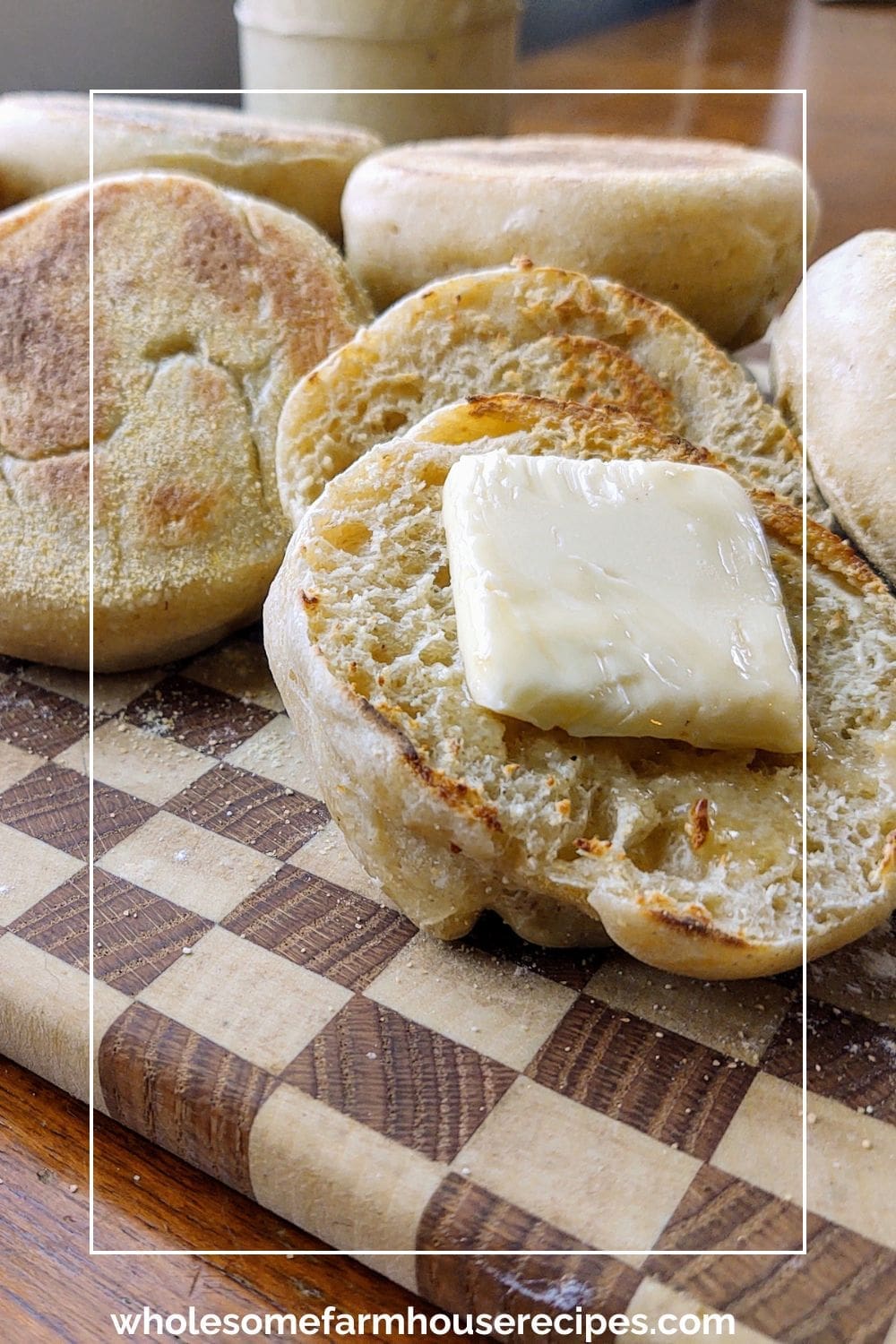
- Cool and Enjoy. Transfer the cooked muffins to a wire rack to cool slightly. Serve warm with butter, jam, or as the base for Eggs Benedict or breakfast sandwiches.
Your Own Private Notes
Notes
- Prep Time: 20 minutes (mixing + shaping)
- Resting Time (First Rise + Second Rise): 10–12 hours (overnight bulk fermentation + 1–2 hours for second rise)
- Cooking Time: 10 minutes per batch (about 25–30 minutes total depending on pan size)
- Servings / Yield: About 10–12 English muffins
Tips for the Best Results
- As with any recipe, the type of flour you use, as well as humidity and quality of the starter, will cause each situation to need slightly different amounts of flour. If your English muffins are turning out like pancakes, you need more flour. They should not be flat.
- The dough needs to hit a hot cast iron skillet, so that it doesn’t stick. Quickly reduce the heat so they have a chance to rise and cook through without burning.
- Room temperature ingredients help the dough rise consistently.
- Cornmeal on the cookie sheets or parchment paper keeps the muffins from sticking.
- The first long rise brings out that tangy flavor unique to sourdough.
- Use a cast iron skillet or frying pan for even browning and the texture of classic English muffins.
- For longer storage, keep cooled muffins in an airtight container at room temp for 3 days or freeze for up to 3 months.
Quick Sourdough English Muffins (Baking Soda Shortcut)
If you’re short on time, this easy sourdough recipe skips the second rise and uses baking soda for a quick boost. You can still enjoy warm homemade sourdough English muffins by adding a little baking soda as a shortcut. This acts as one of the leavening agents, giving your dough an extra boost so the muffins puff up nicely on the hot griddle. Here’s how to do it for the best results:- Stir 1 teaspoon baking soda into 2 tablespoons of lukewarm water or milk until dissolved.
- Gently knead the mixture into your dough so it’s evenly distributed.
- Cook the muffins right away—don’t let them sit, or the quick rise will fizzle out.
- If the dough feels runny after you add this. Add a bit more flour. It should be workable, yet not stiff.
Nutrition
Griddling vs. Baking English Muffins
The traditional method for an English muffin recipe is cooking them on a skillet over medium-low heat. Griddling gives you that signature flat exterior with crisp edges.
If you’re worried about burning the muffins before the insides are done, there’s a simple fix: finish them in the oven. After cooking each first side and second side until lightly golden brown, about 2 minutes each side. Place the muffins on a parchment-lined baking sheet and bake at 350°F for about 10 minutes.
This two-step process makes sure the centers stay soft and fluffy while still keeping the familiar shape and texture we love.
It’s especially helpful if your kitchen runs hot or your cast iron pan holds heat a little too well. The result? The best sourdough English muffins every time. Crispy on the outside, pillowy on the inside.
Serving Ideas
These homemade English muffins are one of my favorite ways to enjoy sourdough. Here are a few ideas:
- Toast and top with butter and jam.
- Use as the base for classic Eggs Benedict (
- Make hearty breakfast sandwiches with eggs, bacon, or sausage.
- Spread with peanut butter and honey for a quick snack.
- Use in place of hamburger buns.
This English muffin recipe is an easy recipe that fits right in with your other sourdough recipes like sourdough discard pancakes or even sourdough cinnamon rolls.
It’s a good thing to try if you want to move beyond bread loaves but still use your own sourdough starter. With a little practice, you’ll be making your own homemade sourdough English muffins that rival the best bakery or standard English muffins from the store.


a delicious way to use sourdough discard