
You know that glossy, tangy sweet and sour sauce that clings to every piece of chicken at your go-to Chinese food spot? Why settle for bottled when the restaurant version takes one pot and 10 minutes? This recipe nails that glossy texture and perfect sweet-tart balance every time.
Yeah, the one you’ve been buying in bottles that taste like watered-down corn syrup. The one that never quite nails that balance of punchy vinegar and smooth sweetness. The stuff that’s supposed to make weeknight stir-fry exciting but falls completely flat.
Here’s the thing: making restaurant-quality sweet and sour sauce at home takes one saucepan, six or seven ingredients you probably have right now, and about 10 minutes of actual work. No specialty stores, no weird preservatives, no squinting at ingredient lists you can’t pronounce. Just pure, glossy, crave-worthy sauce that tastes exactly like takeout but better because you control the sugar, the tang, and that iconic red-orange hue.
This is the recipe that makes you wonder why you ever bothered with the bottle in the first place.

Why This Recipe Works
This isn’t just another sauce recipe thrown together with random ratios and hope.
The magic here comes down to three deliberate choices that most home cooks skip. First, the cornstarch-to-liquid ratio is dialed in perfectly to create that signature glossy coating without turning gloppy or thin.
You’re using just enough starch to thicken the sauce into a cling-to-everything consistency, but not so much that it looks like kindergarten paste. Second, cooking the mixture to a full boil activates the cornstarch properly. If you pull it off heat too early, you’ll get a chalky, raw starch flavor and a sauce that breaks when it cools. Let it bubble for those few extra seconds and everything transforms into smooth, restaurant-grade perfection.
Key techniques that make the difference:
- Whisking constantly from the start prevents lumps before they form, not after. Cornstarch clumps the second it hits liquid if you’re not moving that whisk.
- Medium heat, not high gives you control. High heat scorches the sugar and creates bitter notes that ruin the whole vibe.
- The optional red food coloring isn’t just for looks. It signals to your brain “this is restaurant sweet and sour” before you even taste it. Nostalgia is a powerful flavor enhancer.
The ingredient proportions here mirror what commercial kitchens use, but without the stabilizers, thickeners, and mystery additives. You’re getting the same tangy-sweet punch, the same shiny finish, the same addictive quality, just cleaner and fresher. That’s the difference between a sauce you tolerate and one you actually crave.

Make Sweet and Sour Sauce Like Your Favorite Restaurant
As an Amazon Associate I earn from qualifying purchases.
Kitchen Essentials


Ingredients
- ½ Cup White Sugar
- 4 Teaspoons Cornstarch
- 1 Cup Water
- 1 Dash Salt
- 1 Teaspoon Soy Sauce
- 4 Teaspoons White Vinegar
- 3 Drops Red Food Coloring optional
Instructions
- Step-by-Step Instructions. Making this sauce is stupidly simple, but timing and technique matter more than you'd think.
- Combine all ingredients in a medium saucepan. Add the sugar, cornstarch, water, salt, soy sauce, white vinegar, and food coloring if you’re using it.½ Cup White Sugar, 4 Teaspoons Cornstarch, 1 Cup Water, 1 Dash Salt, 1 Teaspoon Soy Sauce, 4 Teaspoons White Vinegar, 3 Drops Red Food Coloring
- Turn heat to medium and start whisking. Keep that whisk moving in steady, consistent circles. You’re not beating eggs here, just keeping everything in motion so the cornstarch doesn’t settle and clump on the bottom of the pan.
- Watch for the sauce to start bubbling. It’ll go from thin and watery to slightly thicker, then suddenly you’ll see big, glossy bubbles breaking the surface. That’s your cue. Once it hits a full boil, keep whisking for another 30 seconds to make sure the cornstarch fully activates.
- Pull it off the heat immediately. The sauce will continue to thicken as it cools, so don’t panic if it looks a little thinner than you expected right out of the gate. Give it two minutes off heat and it’ll hit that perfect pourable-but-clingy consistency.
- Let it cool slightly before using. Piping-hot sauce slides right off food. Room temp or just-warm sauce clings like it’s supposed to. If you’re tossing it with fried chicken or veggies, wait until the sauce cools to warm, not scalding.
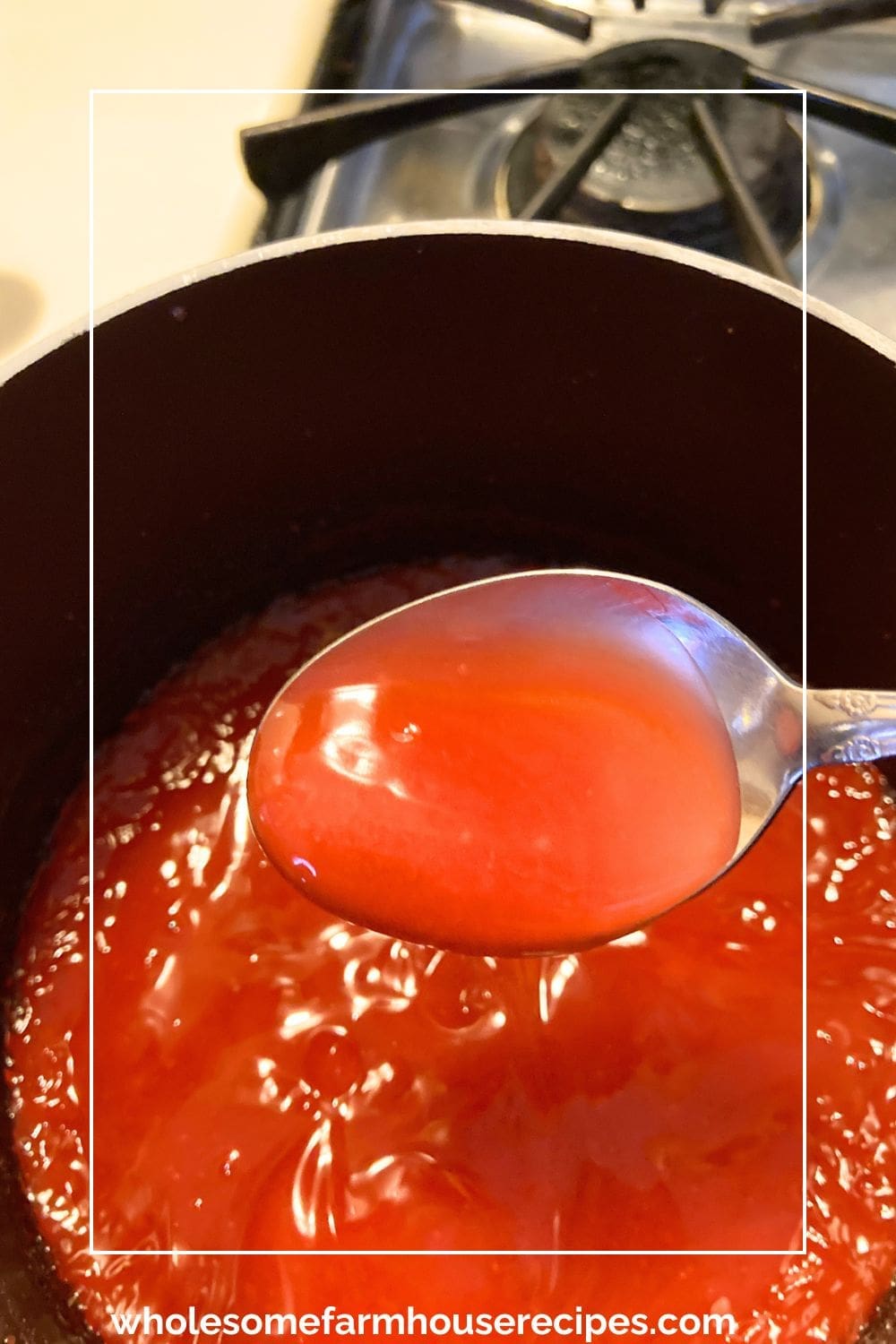
- You’ll know you nailed it when the sauce coats the back of a spoon and stays there instead of running right off. That glossy sheen? That’s the cornstarch doing its job. That bright, punchy aroma? That’s fresh vinegar and sugar playing nice together. This is what takeout is supposed to taste like.
Your Own Private Notes
Notes
Recipe Tips from the Pros
- Don’t skip the whisk. A spoon won’t cut it. Cornstarch needs constant movement to stay smooth. Keep whisking and you’ll avoid lumps.
- Bring it to a full boil. This is what activates the cornstarch. If you stop too soon, the sauce can taste starchy and won’t thicken properly.
- Too thick? Stir in a small splash of water until it reaches your desired consistency.
- Too thin? Let it simmer just a little longer, whisking constantly, until it thickens. It will also thicken more as it cools.
- Adjust the flavor. Add a little more vinegar for extra tang or a bit more sugar if you prefer it sweeter. Taste and make it your own.
Nutrition
Recipe Tips from the Pros
- Don’t skip the whisk. A spoon won’t cut it. Cornstarch needs constant movement to stay smooth. Keep whisking and you’ll avoid lumps.
- Bring it to a full boil. This is what activates the cornstarch. If you stop too soon, the sauce can taste starchy and won’t thicken properly.
- Too thick? Stir in a small splash of water until it reaches your desired consistency.
- Too thin? Let it simmer just a little longer, whisking constantly, until it thickens. It will also thicken more as it cools.
- Adjust the flavor. Add a little more vinegar for extra tang or a bit more sugar if you prefer it sweeter. Taste and make it your own.

Pairing Suggestions
Sweet and sour sauce isn’t a one-trick pony, and it definitely doesn’t need to live exclusively on fried chicken.
The sweet-tart balance here makes it shockingly versatile. You can drizzle it over crispy tofu, toss it with roasted Brussels sprouts, use it as a glaze for grilled salmon, or dunk egg rolls straight into it while standing at the counter. It plays well with anything that benefits from a little sugar, a little acid, and a lot of shine.
What works ridiculously well:
- Fried or baked chicken — the classic for a reason. Toss crispy chicken pieces in warm sauce just before serving so the coating stays crunchy.
- Pork tenderloin or chops — brush it on during the last few minutes of grilling or roasting for a glossy, caramelized finish.
- Stir-fried vegetables — bell peppers, snap peas, and pineapple chunks are the holy trinity, but honestly anything crunchy works.
- Spring rolls or dumplings — this sauce was born to be a dipping companion. Way better than anything from a packet.
- Rice bowls — drizzle over jasmine rice, add some sautéed veggies and protein, and you’ve got a complete meal that tastes like takeout but costs about two bucks.
For drinks, keep it simple. A crisp lager, a dry Riesling, or even a sparkling water with lime cuts through the sweetness and keeps things balanced. You don’t need anything fancy, just something clean and refreshing that won’t compete with all that tang.
Variations and Swaps
Once you make this sauce a time or two, you’ll see just how flexible it really is. A few small tweaks can completely change the flavor while still keeping that classic sweet and sour base.
One helpful tip is to taste the sauce before serving. Right out of the pan, it should taste a little bold—slightly sweeter and tangier than you expect. That’s exactly what you want, because the flavor will mellow once it’s combined with chicken, pork, or vegetables.
This recipe also scales easily, so don’t hesitate to double the batch. Having extra in the fridge makes quick meals like stir-fry, fried rice, or dipping sauces even easier during the week.
From there, you can adjust the flavor to fit whatever you’re making or what you have on hand.
Flavor Variations to Try
- Spicy sweet and sour — add a teaspoon of sriracha, sambal oelek, or a pinch of red pepper flakes when you’re whisking the ingredients together. The heat plays beautifully with the sugar.
- Pineapple version — swap half the water for pineapple juice. You’ll get a fruitier, more tropical vibe that’s perfect for pork or shrimp.
- Ginger-forward — grate in a half teaspoon of fresh ginger before cooking. It adds a warm, spicy backbone that makes the sauce feel more complex.
- Less sweet — cut the sugar down to a third of a cup if you want something more balanced and less candy-like. You’ll lose some of that nostalgic takeout vibe, but you’ll gain a cleaner, more grown-up flavor.
- Rice vinegar instead of white — rice vinegar is a little mellower and rounder. It won’t punch as hard, but it’s a nice option if you find white vinegar too sharp.
Play around with these swaps and you’ll start to see how easy it is to make this sauce fit whatever you’re cooking.
Storage Tips
This sauce keeps beautifully, which is half the reason to make it in the first place.
Once it’s cooled completely, transfer it to an airtight container or a mason jar and stash it in the fridge. It’ll stay good for up to two weeks, though it rarely lasts that long because you’ll find yourself reaching for it constantly. The cornstarch may settle a bit while it sits, so give the jar a good shake or a quick stir before using it again.
Don’t freeze it. Cornstarch-based sauces get weird and grainy when frozen and thawed. The texture breaks, the gloss disappears, and you’re left with something that looks more like chunky syrup than restaurant sauce. Just make smaller batches more often if storage is a concern.
Reheat gently if needed. If the sauce thickens too much in the fridge, warm it in a small saucepan over low heat with a tablespoon of water. Whisk it smooth and you’re back in business. Microwaving works in a pinch, but do it in short bursts and stir between each one to avoid hot spots that can scorch the sugar.
Proper storage means you’re always one scoop away from turning boring leftovers into something you’d actually pay for.
Leftover Transformations
Leftover sweet and sour sauce is a secret weapon for lazy weeknight cooking.
You’ve already done the work, so now you get to reap the rewards without lifting a finger. This sauce transforms the saddest fridge scraps into meals that feel intentional, exciting, and way more delicious than they have any right to be.
Use it to:
- Glaze leftover roasted vegetables. Toss cold roasted broccoli, cauliflower, or carrots in a pan with a few spoonfuls of sauce. Heat until everything is glossy and caramelized. Suddenly your sad leftovers are a side dish worth making again.
- Turn plain rice into fried rice. Scramble an egg, toss in day-old rice, add frozen peas and a couple tablespoons of sauce. Five-minute fried rice that tastes like you ordered in.
- Make a quick stir-fry. Any protein, any vegetable, a hot pan, and a quarter cup of this sauce equals dinner in under 10 minutes.
- Upgrade boring sandwiches. Spread a thin layer on a banh mi, a pulled pork sandwich, or even a turkey wrap. The sweet-tart kick makes everything taste more interesting.
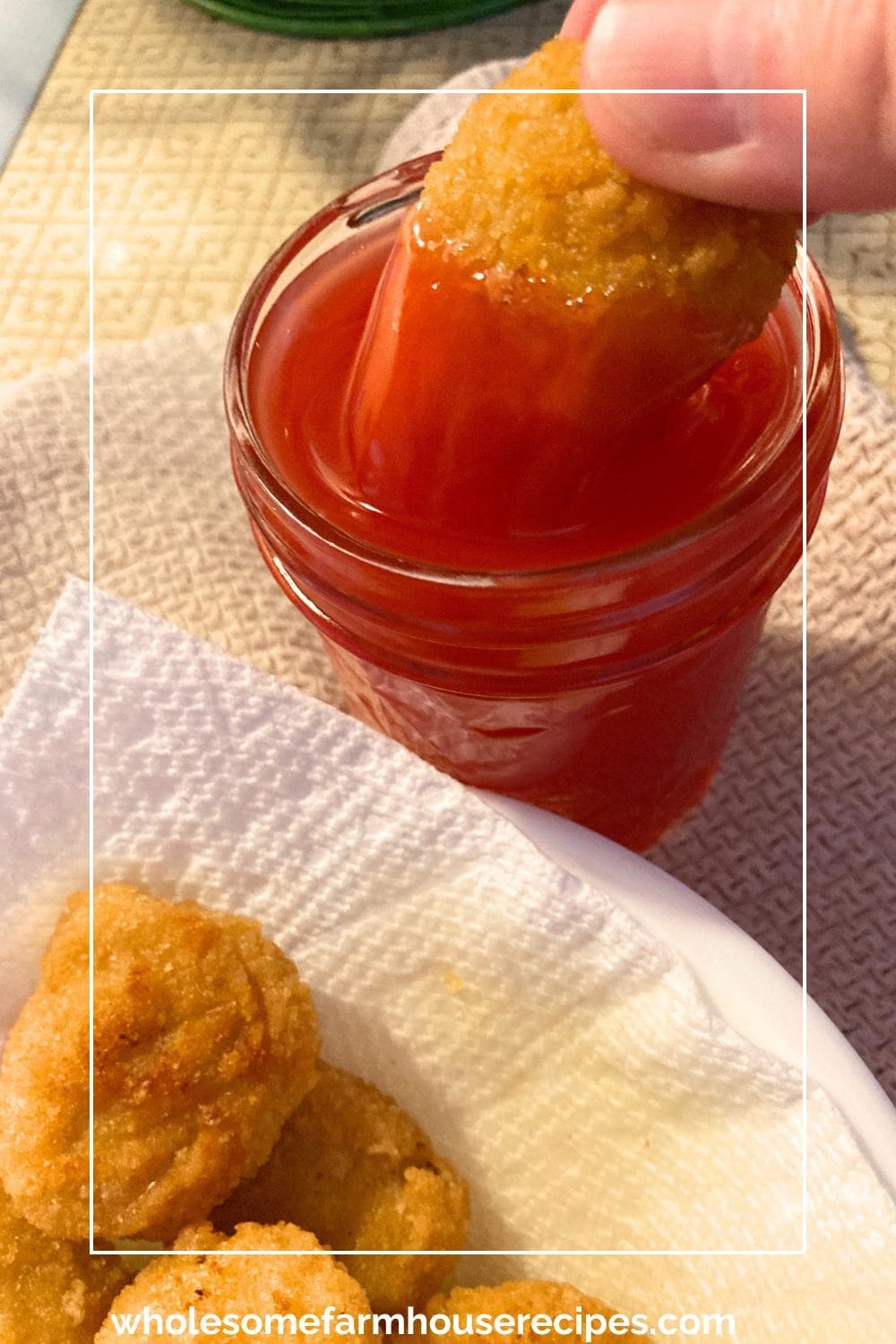
- Dip everything. Fries, nuggets, leftover pizza crust, celery sticks. This sauce makes almost anything dippable taste better.
The best part about having this in your fridge is it makes you look like you planned ahead, even when you’re just winging it with whatever didn’t go bad.
This is the sauce that makes you feel like a smarter, more capable cook without actually requiring you to be one. You’ve got the takeout flavor locked down, the ingredients are dirt cheap, and the whole thing comes together faster than the delivery driver could get to your door. Make it once and you’ll never look at bottled sweet and sour the same way again.
Now you’ve got the recipe, the technique, and the confidence to make this whenever the craving hits. It’s fast, flexible, and made with ingredients you likely already have on hand.
Stay connected with Wholesome Farmhouse Recipes
Add Wholesome Farmhouse Recipes as a preferred source in Google Search to make it easier to find our recipes and cooking ideas when you're searching for something delicious to make.


My family loved this!